PCIe X16 Female To Dual MCIO 8i For Server Expansion
PCIe x16 female to dual MCIO 8i cable assemblies extend PCIe Gen5 connectivity for enterprise servers, storage platforms, and high density computing systems.

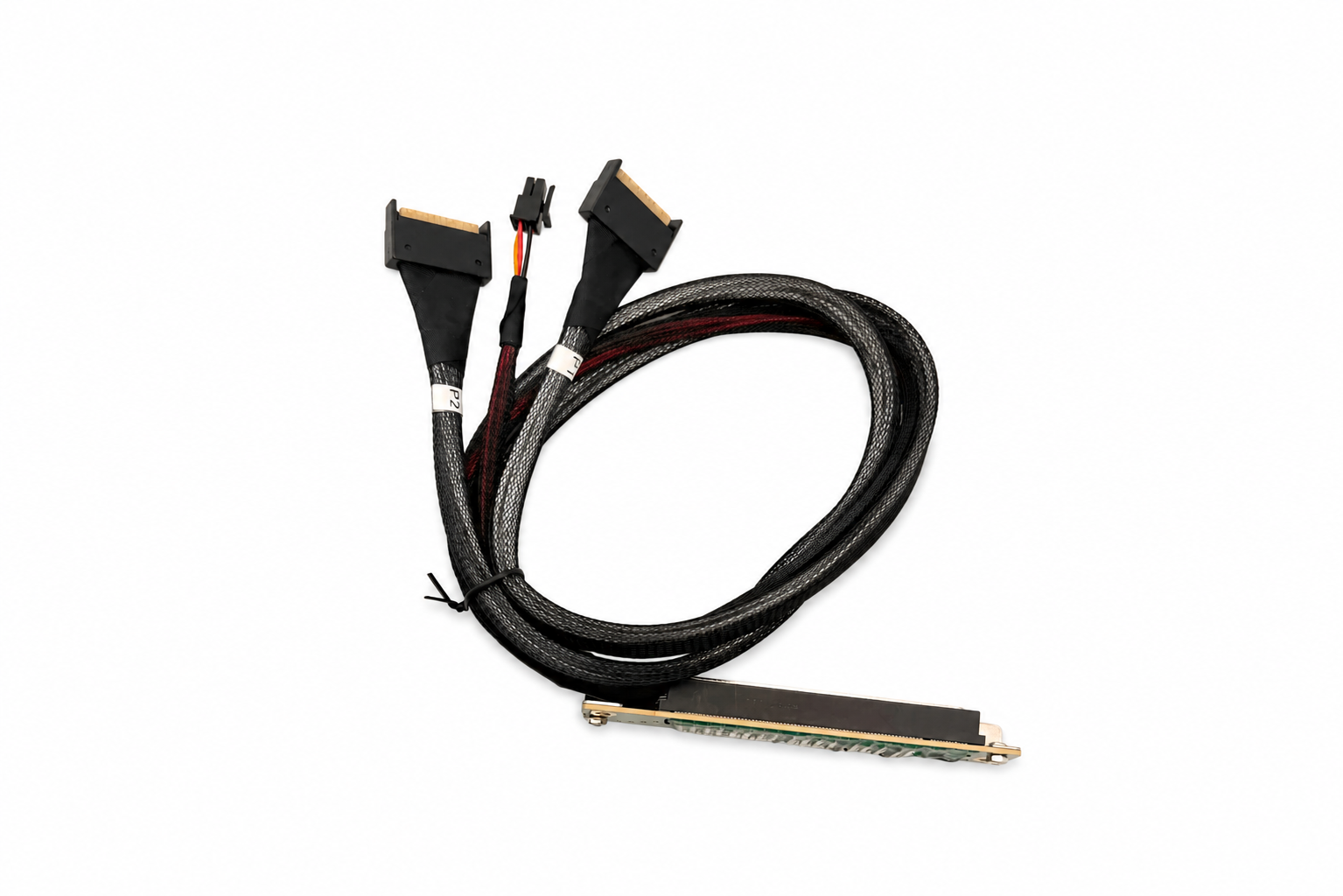
PCIe x16 female to dual MCIO 8i cable assemblies extend PCIe Gen5 connectivity for enterprise servers, storage platforms, and high density computing systems.
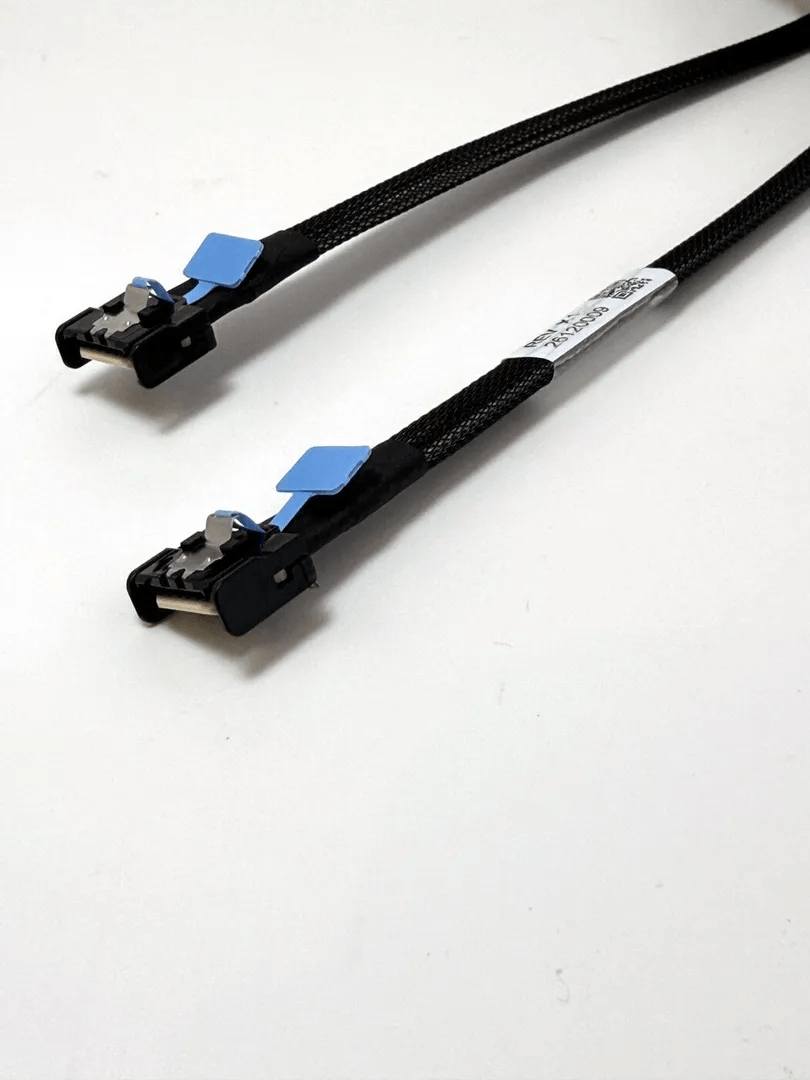
MCIO 4i connectivity supports compact four lane PCIe Gen4 and Gen5 links for servers, NVMe storage platforms, and high density computing systems.
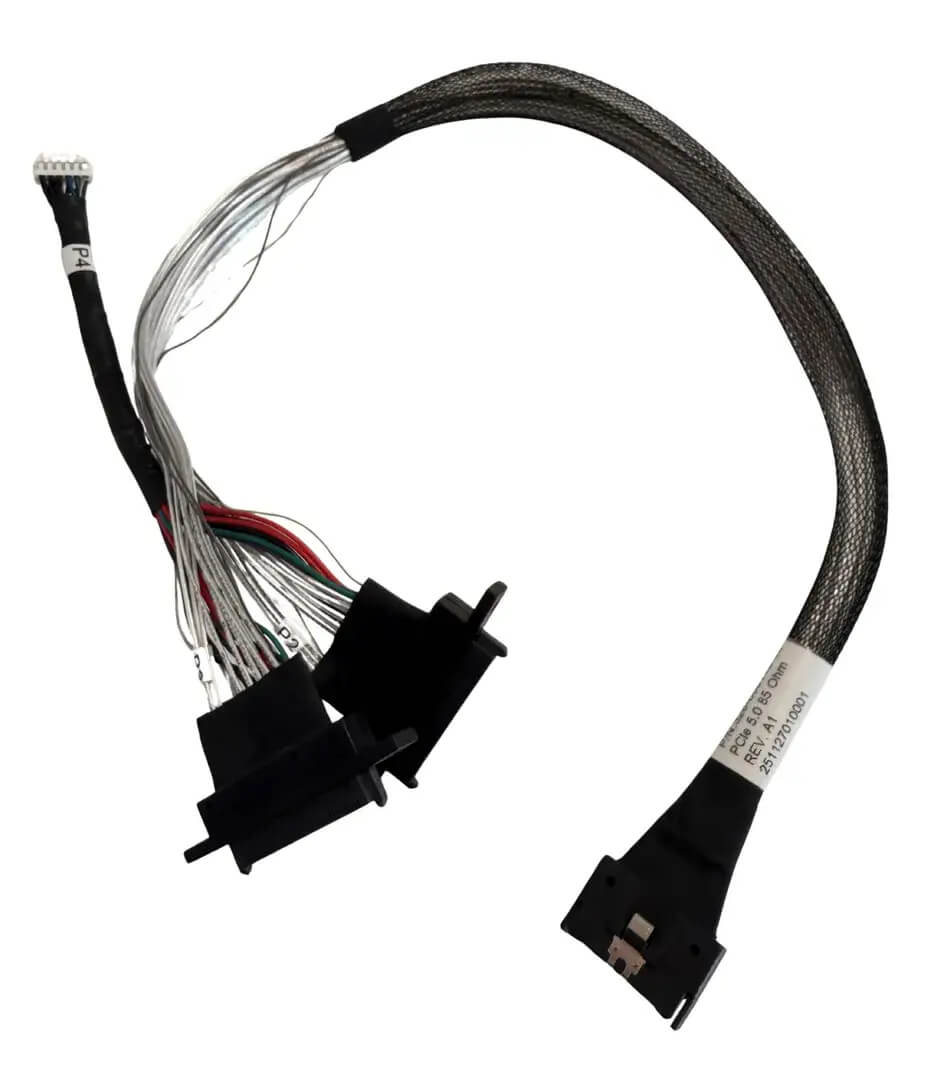
MCIO 8i to dual U.2 cables provide high-density PCIe connectivity for enterprise servers, enabling a single MCIO interface to support two NVMe U.2 SSDs.
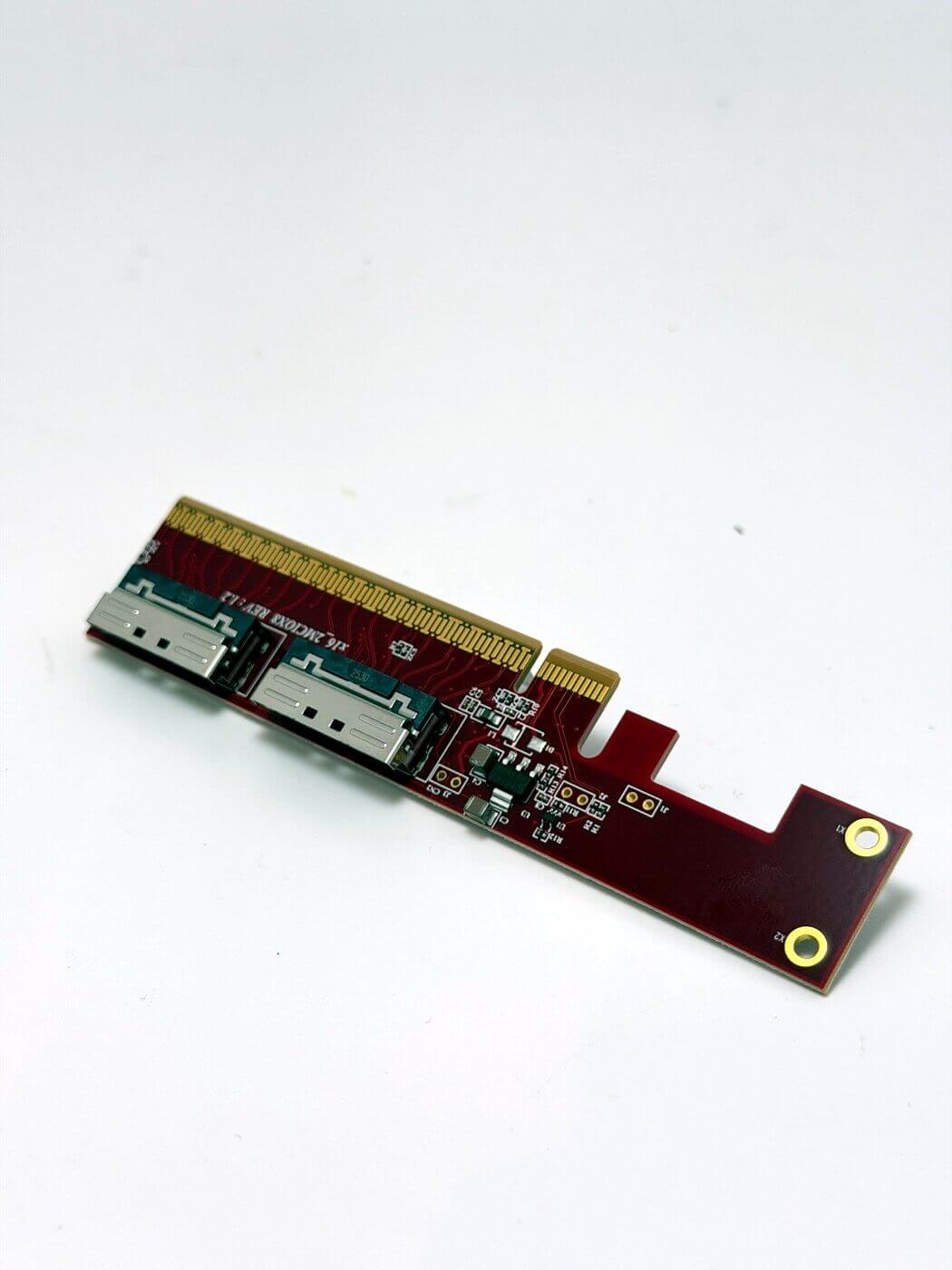
MCIO adapter boards support high-speed PCIe signal routing through compact multi-lane interconnect architecture designed for enterprise infrastructure.
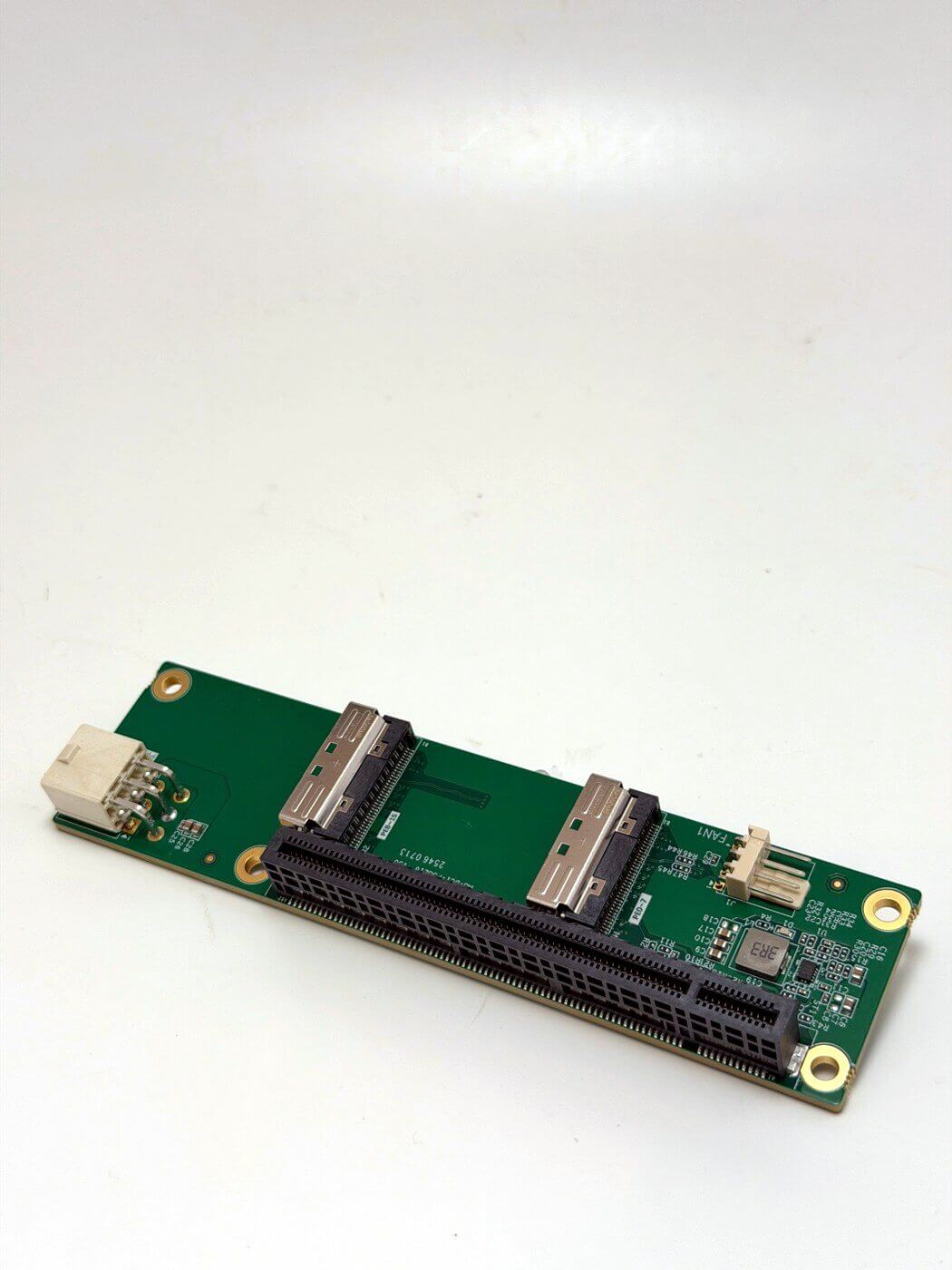
MCIO adapter boards support high-speed PCIe signal routing through compact PCB architecture designed for scalable enterprise infrastructure.

MCIO 8i cables support high-speed PCIe communication through compact multi-lane interconnect architecture optimized for signal integrity and scalability.
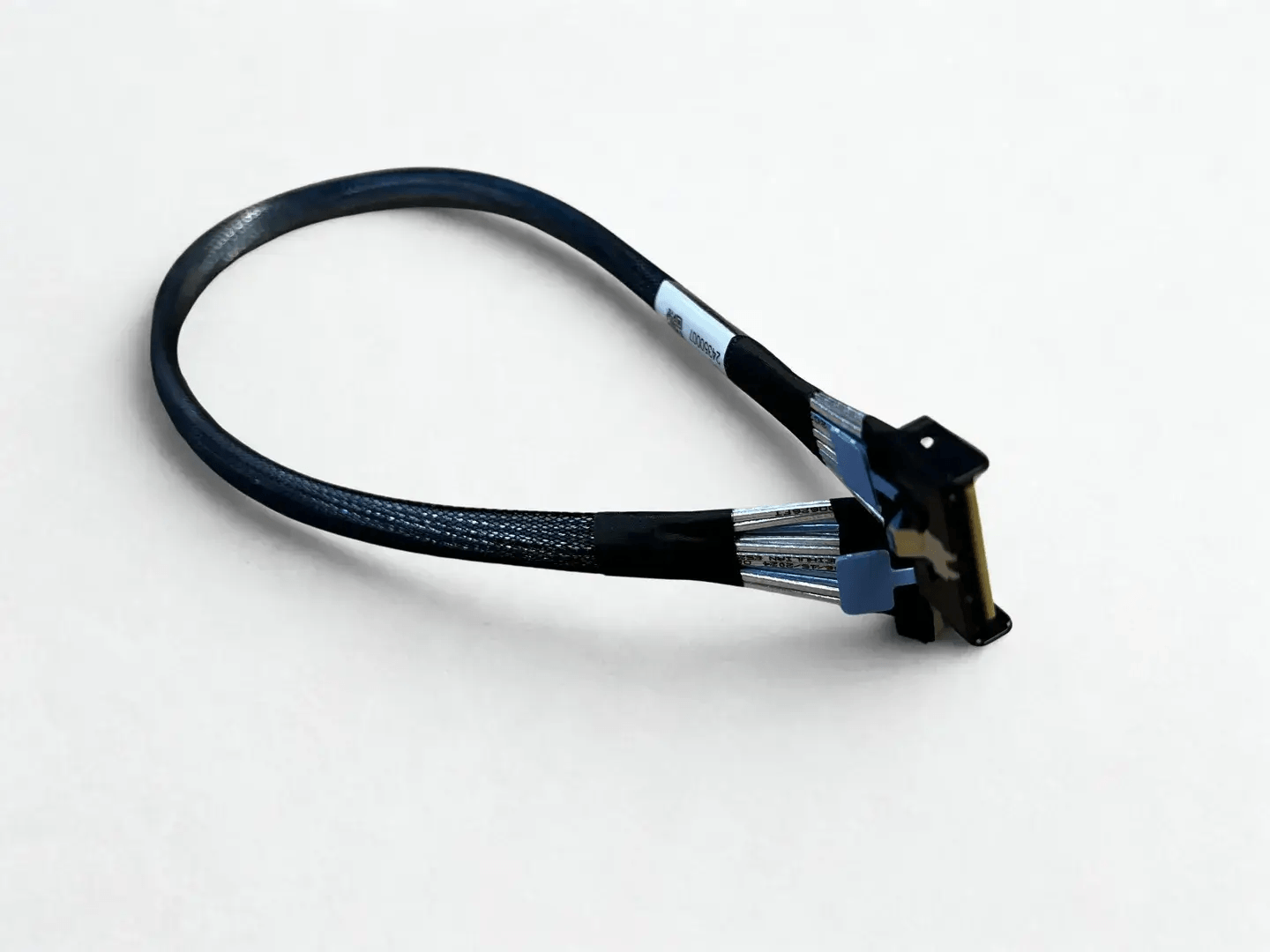
Right angle MCIO x8 cables support PCIe Gen 5 connectivity while improving routing efficiency and maintaining signal integrity in high density server and GPU platforms.
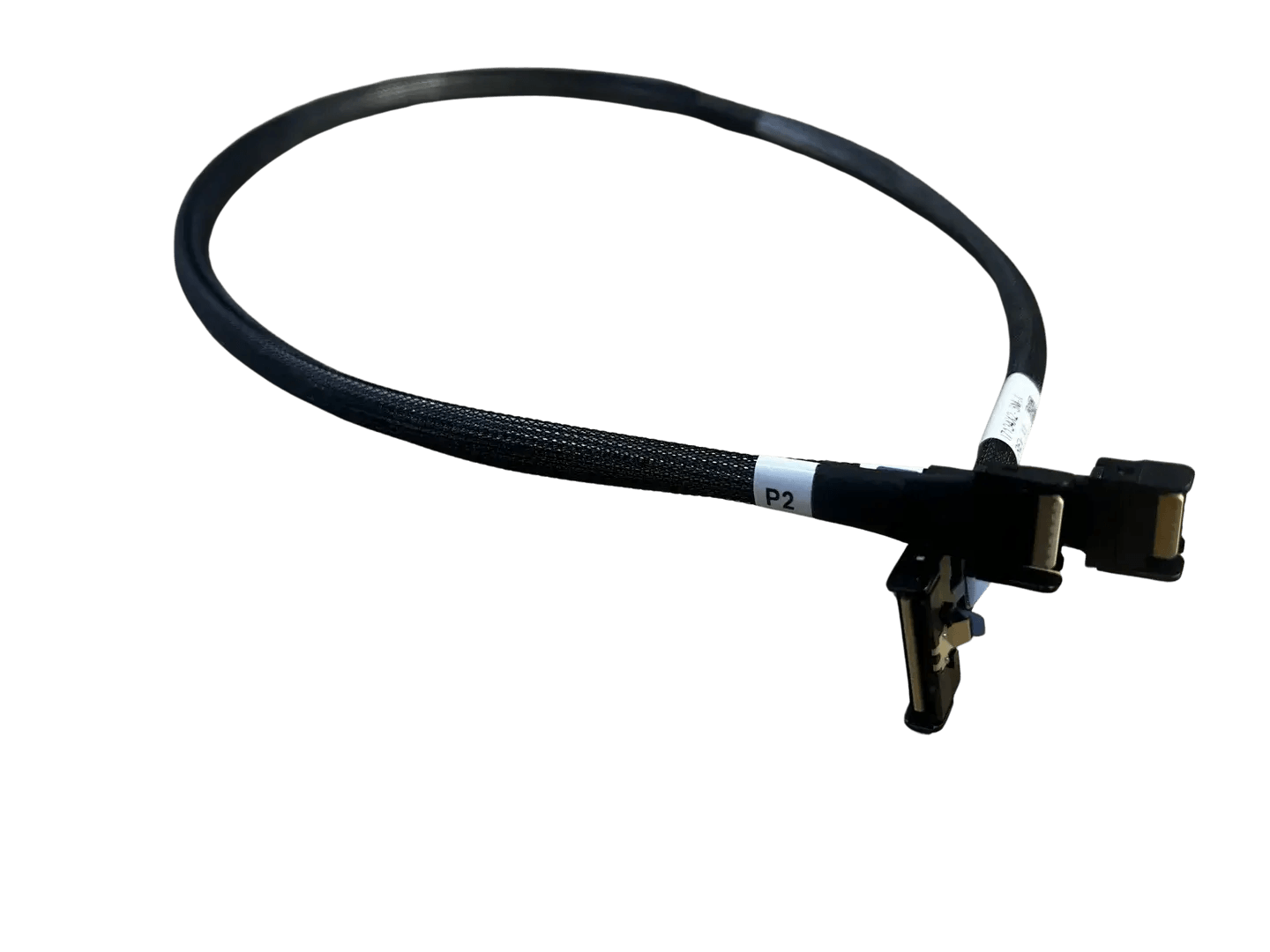
MCIO x8 breakout cables enable dual x4 PCIe device integration by splitting a single high speed interface into two independent connections for servers and AI systems.
MCIO x8 to SlimSAS x8 cables enable PCIe Gen 5 connectivity in AI and enterprise platforms by maintaining signal integrity and high density interconnect design.
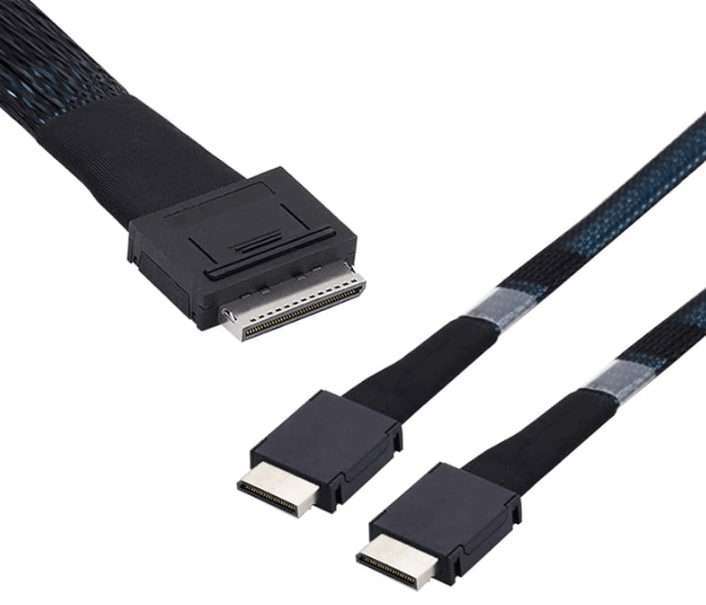
OCuLink 8x should be used instead of SlimSAS or MCIO when a high bandwidth build requires a dedicated x8 PCIe link with straightforward routing, stable signal integrity, and minimal deployment complexity.