Flat Ribbon Cable Assemblies: IDC Termination
How cable construction, IDC compatibility, connector positioning, and twist-to-flat configurations affect custom flat ribbon cable manufacturing.

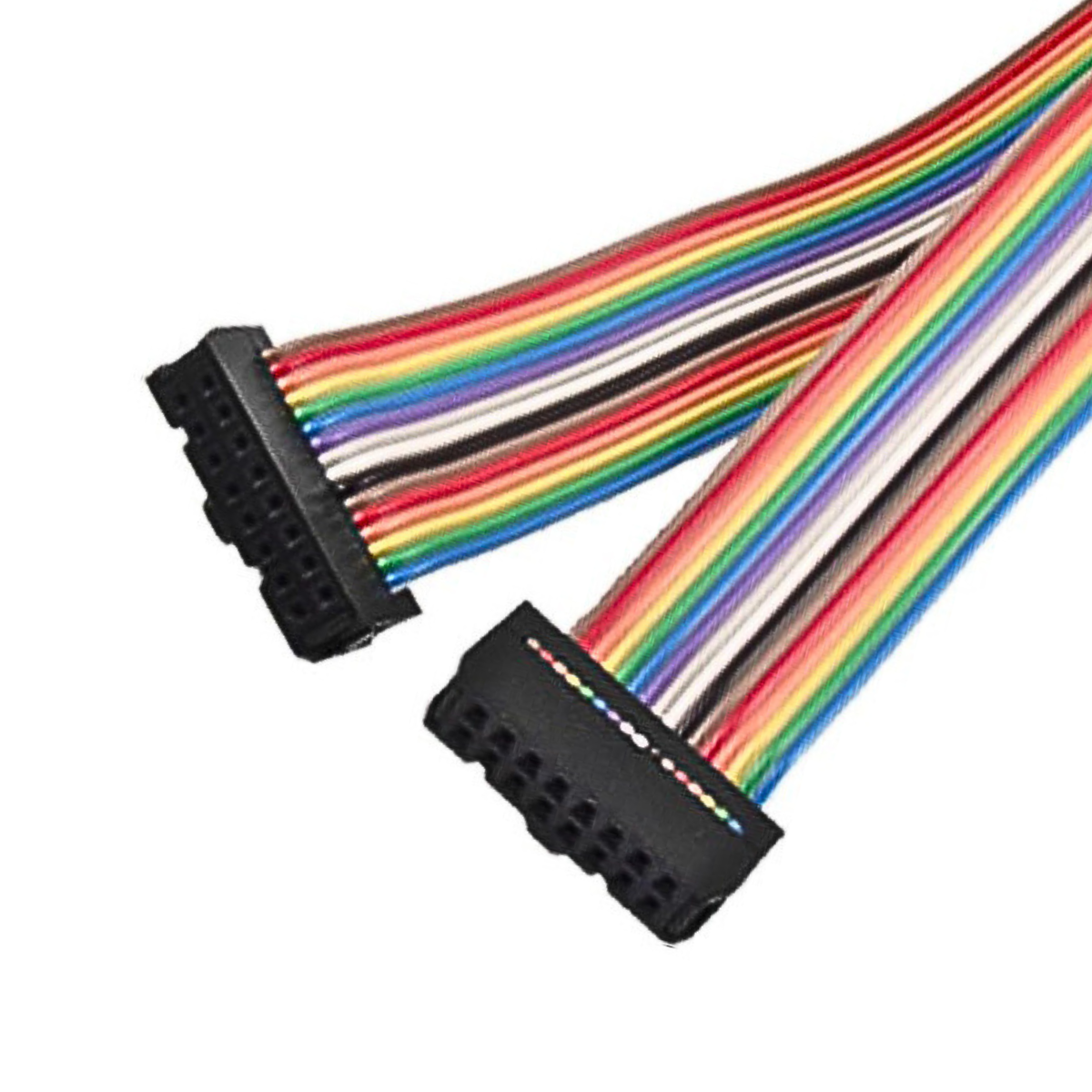
How cable construction, IDC compatibility, connector positioning, and twist-to-flat configurations affect custom flat ribbon cable manufacturing.
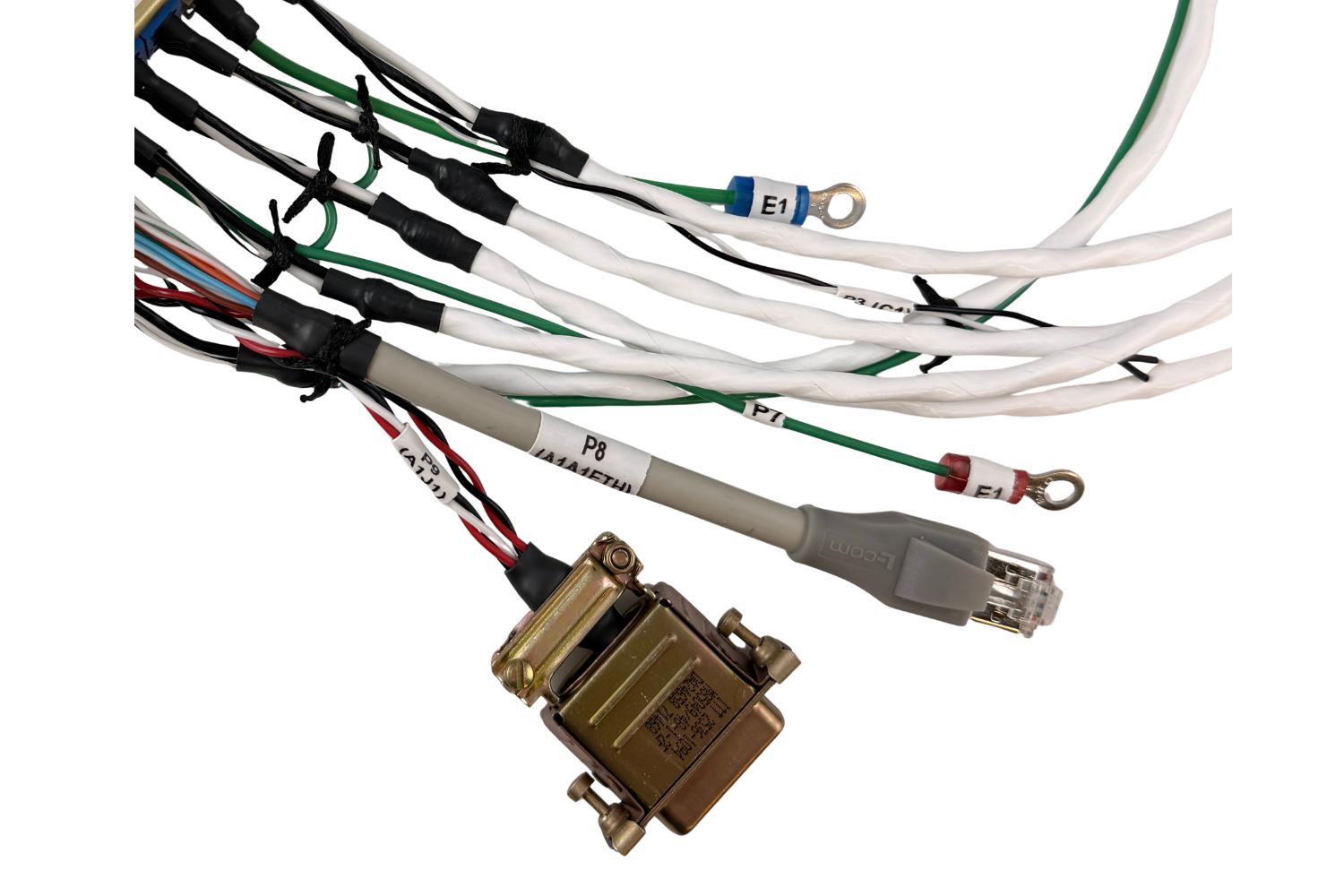
How documentation gaps can affect aerospace cable assembly traceability, from component lot tracking and configuration changes to inspection records.
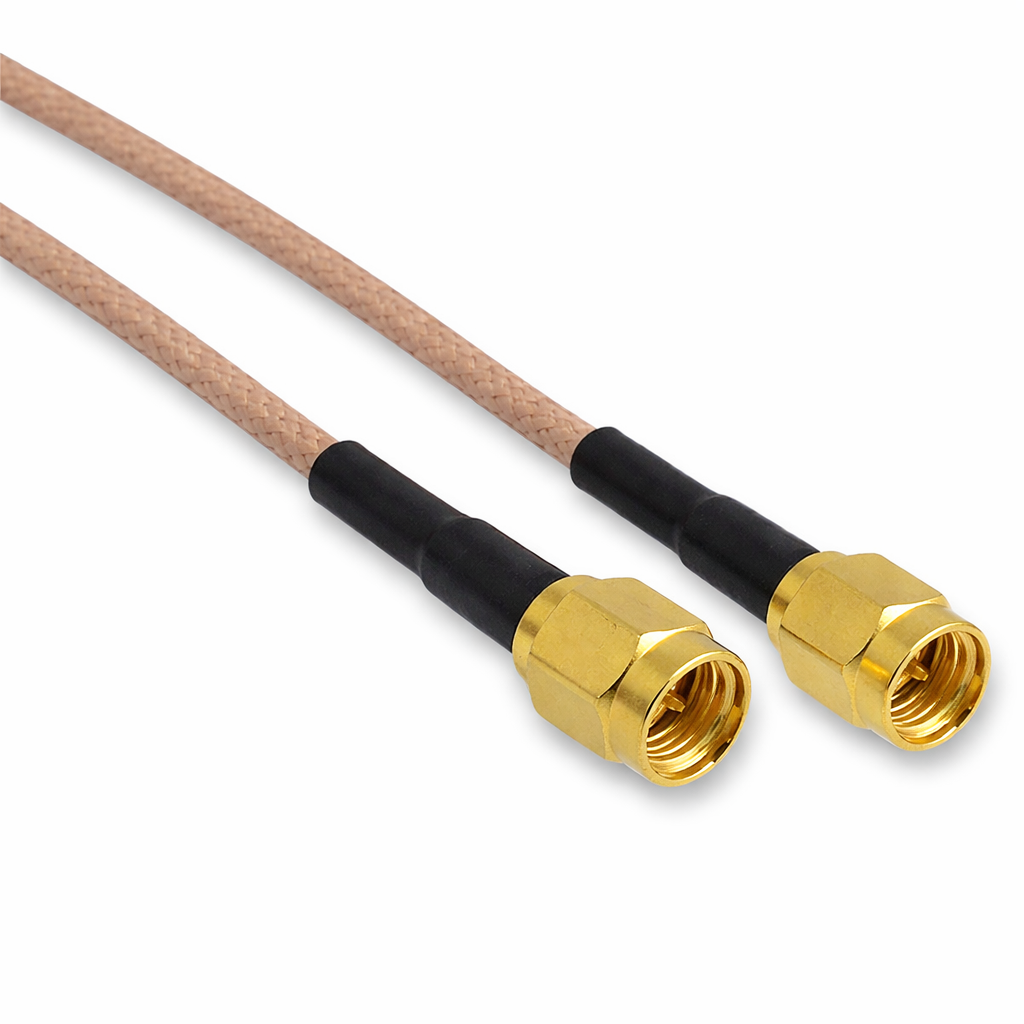
Connector terminations, cable deformation, and installation conditions can influence VSWR and insertion loss in custom RF coaxial cable assemblies. Learn what manufacturing and testing considerations matter.
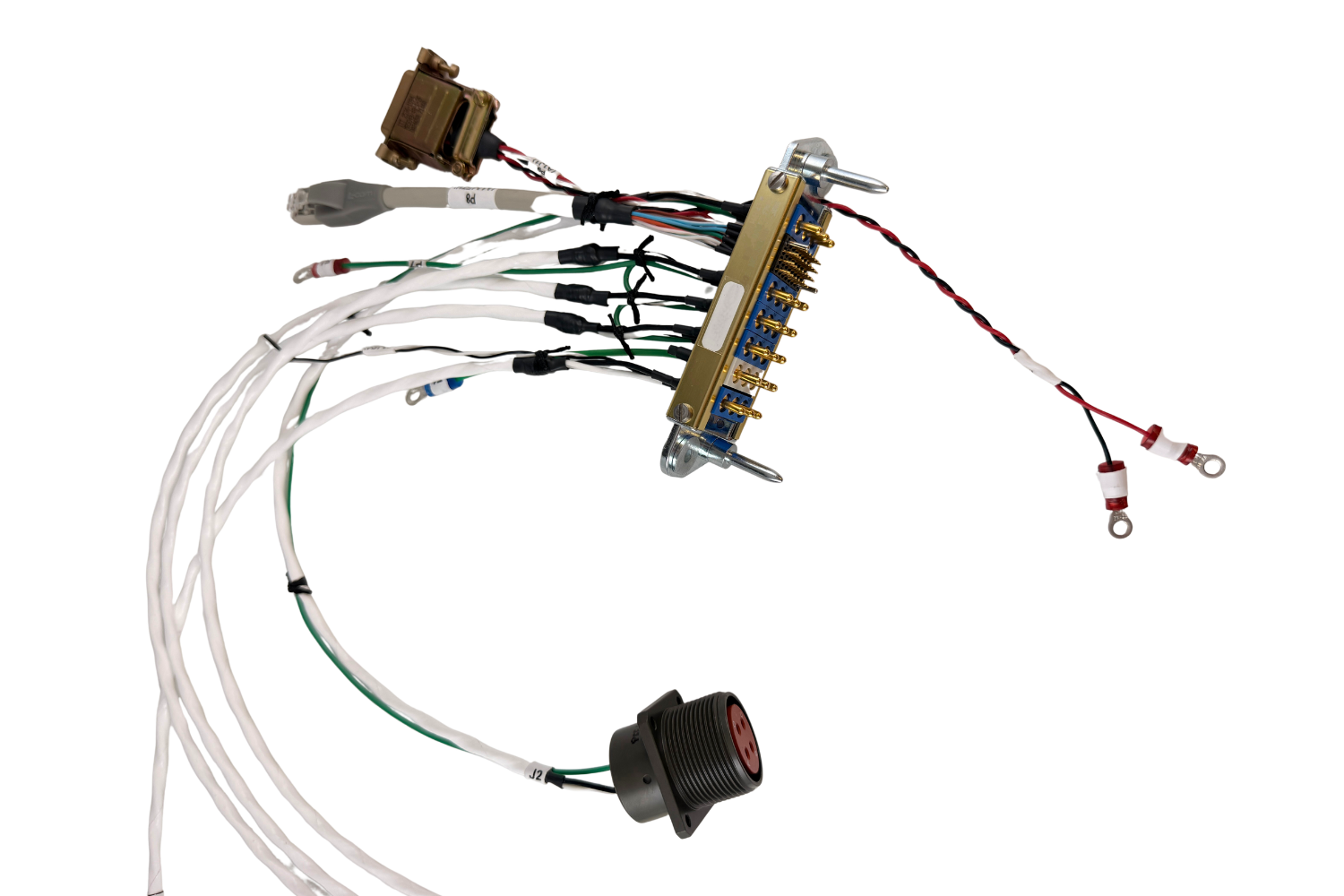
How tooling differences, component sourcing, process controls, and first article inspection requirements affect wire harness manufacturing consistency during production transitions.
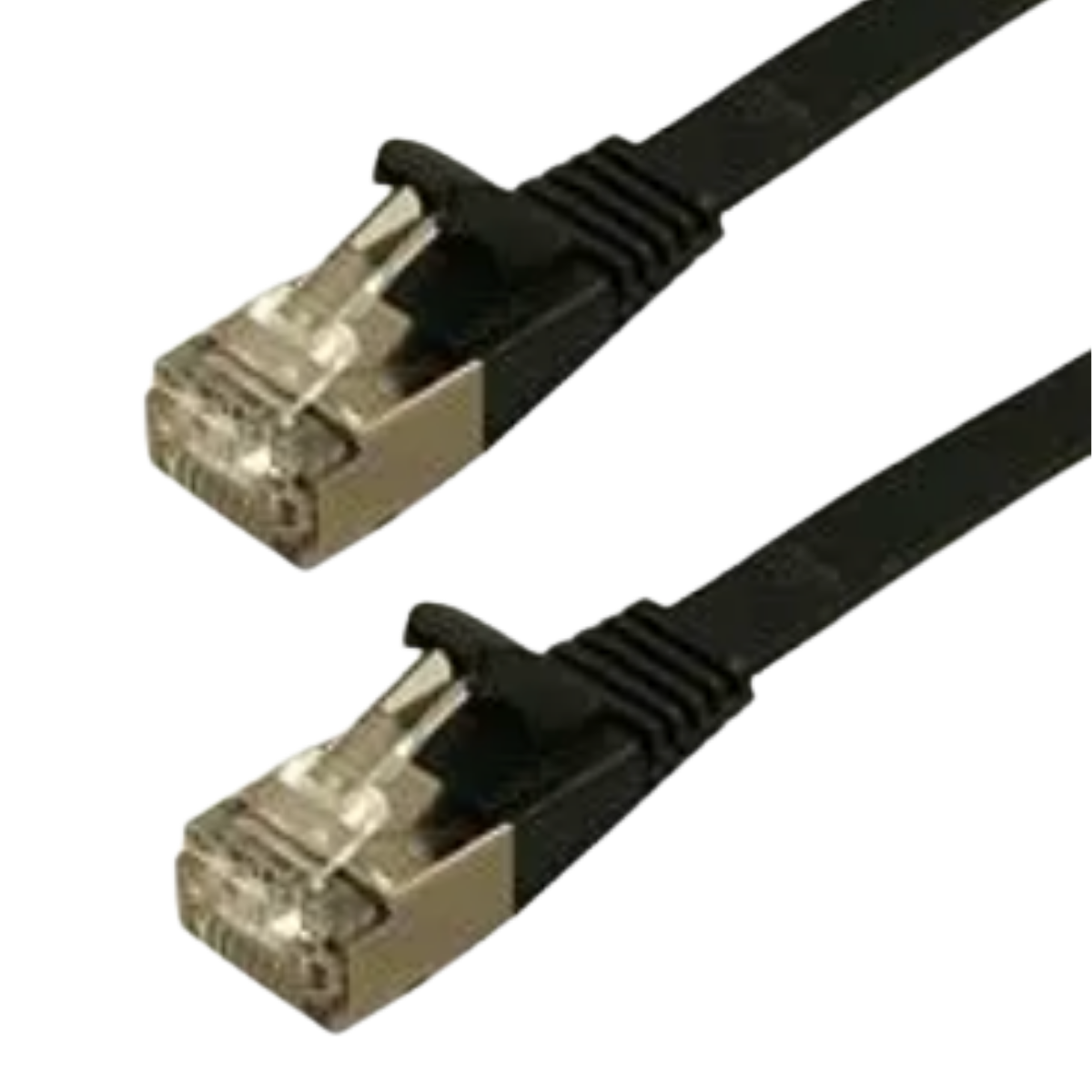
LSZH, PTFE, and TPE represent different material classifications. Learn why material specifications, fire-performance requirements, and component compatibility must be considered across the completed cable assembly.
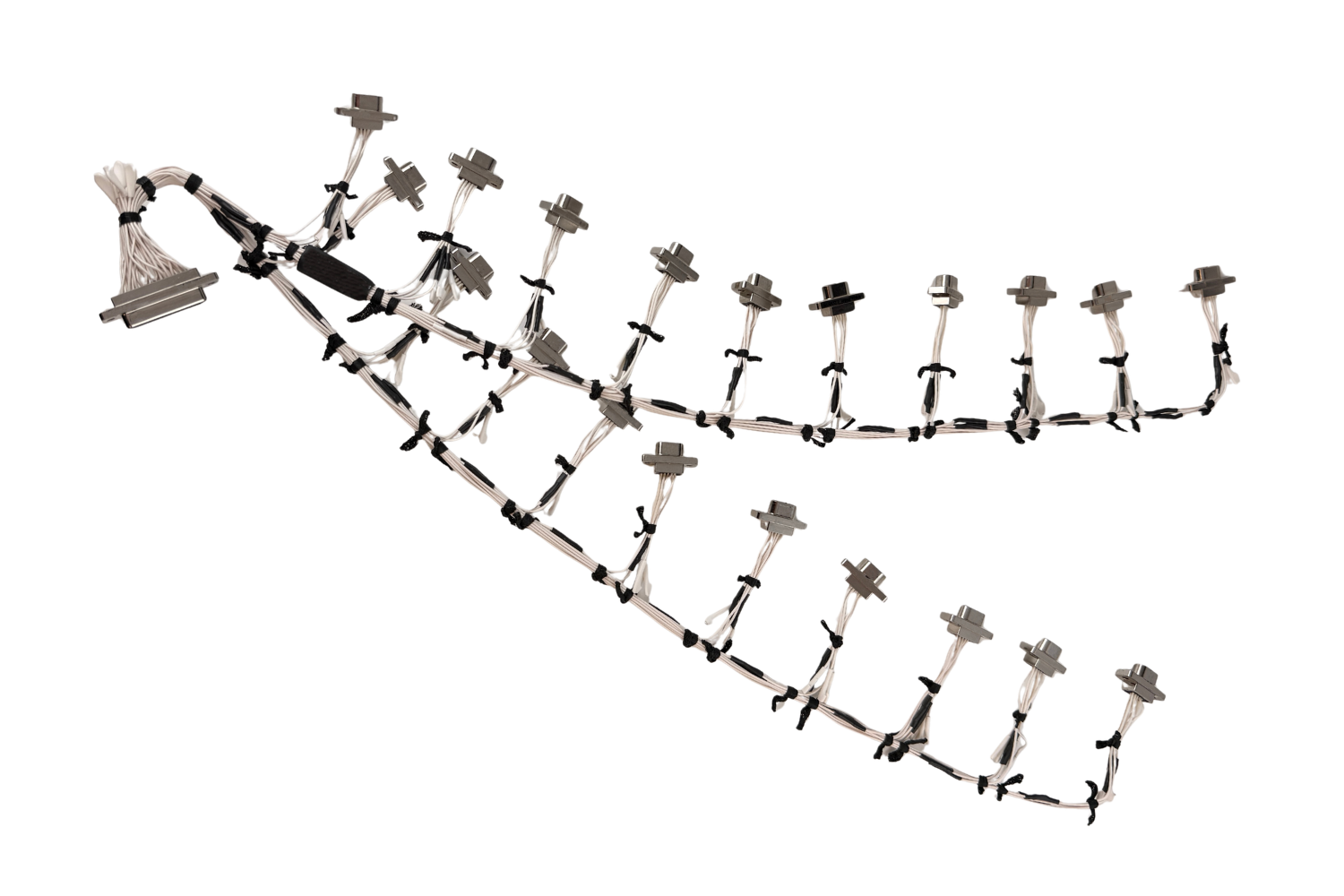
Harness geometry in unmanned aerial systems affects installation fit, navigation sensor interference, and manufacturing consistency. Explore key integration considerations.
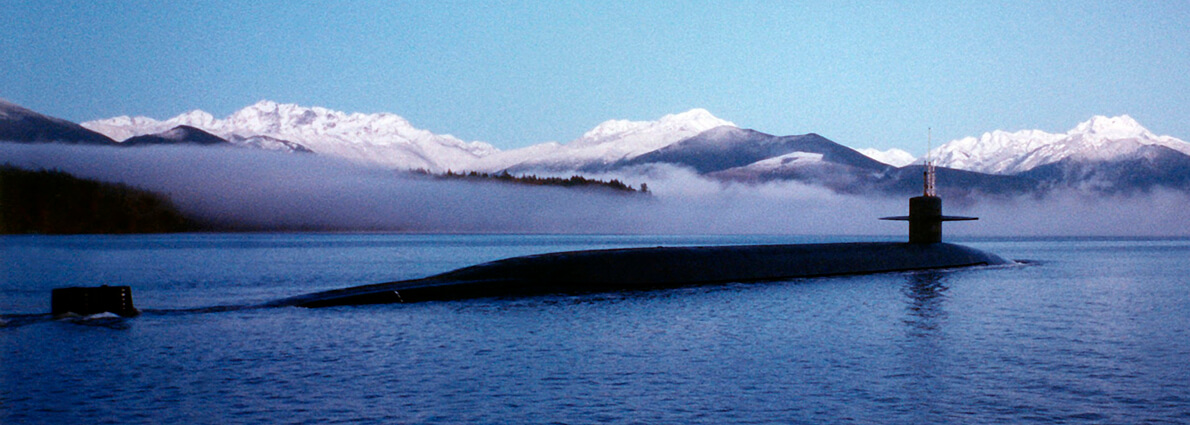
Why qualified connectors alone don’t establish naval cable assembly compliance, and how terminations, environmental interfaces, installation conditions, and configuration changes affect requirements.
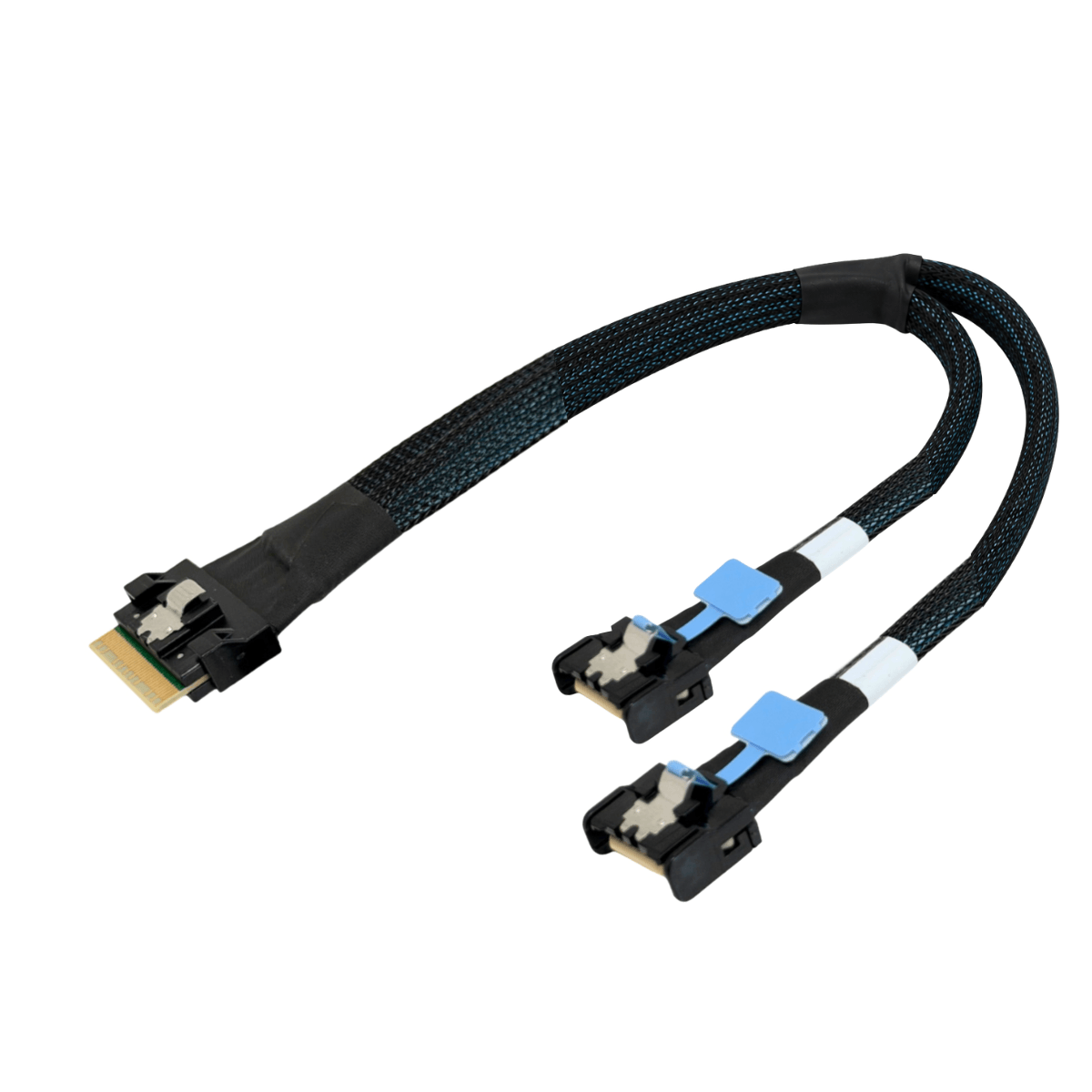
Key considerations for custom SlimSAS and MCIO cable assemblies, including pinouts, lane mapping, connector orientation, routing, and high-speed performance requirements.
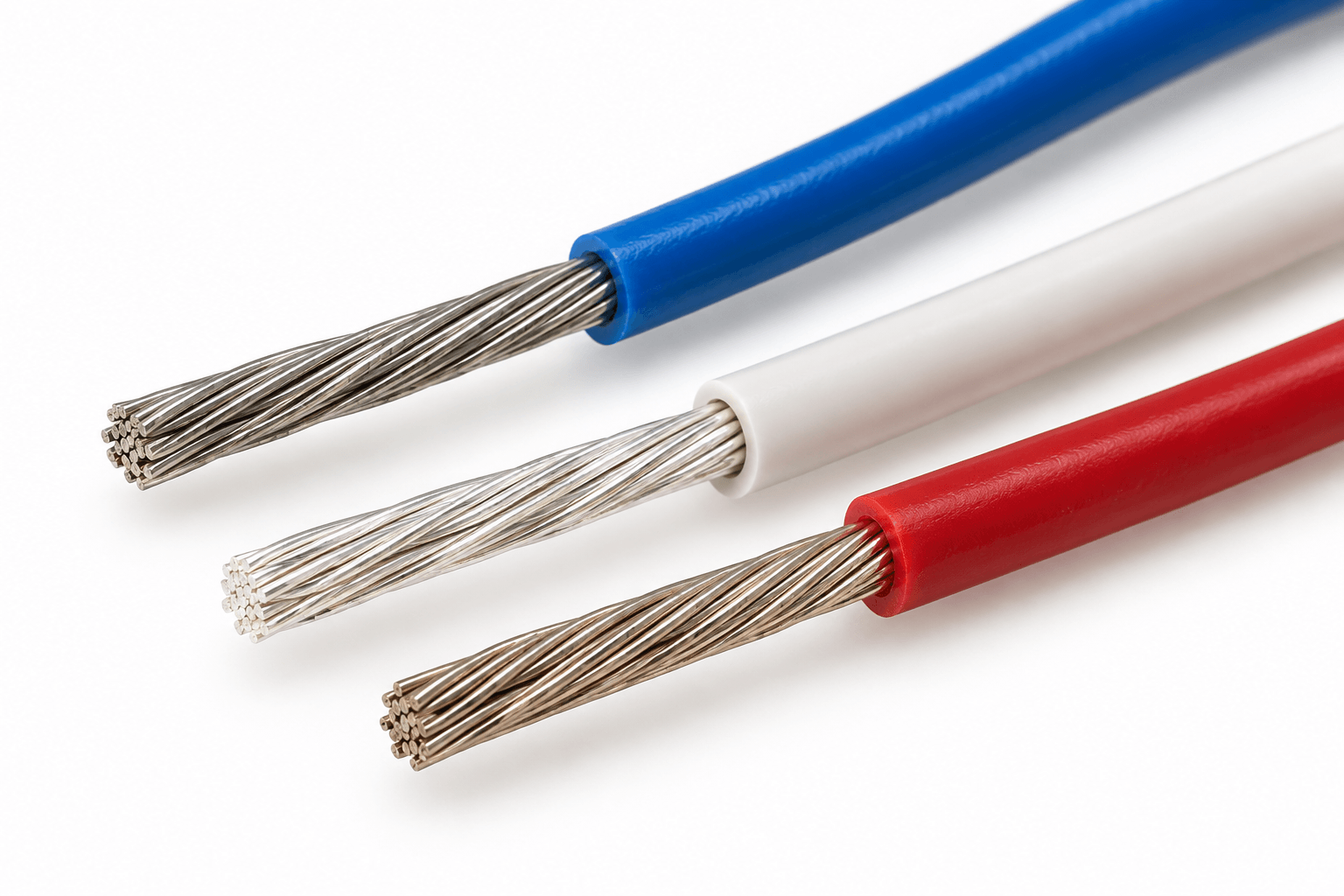
Differences in AS22759 conductor plating, insulation construction, and wire dimensions can affect termination methods, component compatibility, and aerospace cable assembly manufacturing.
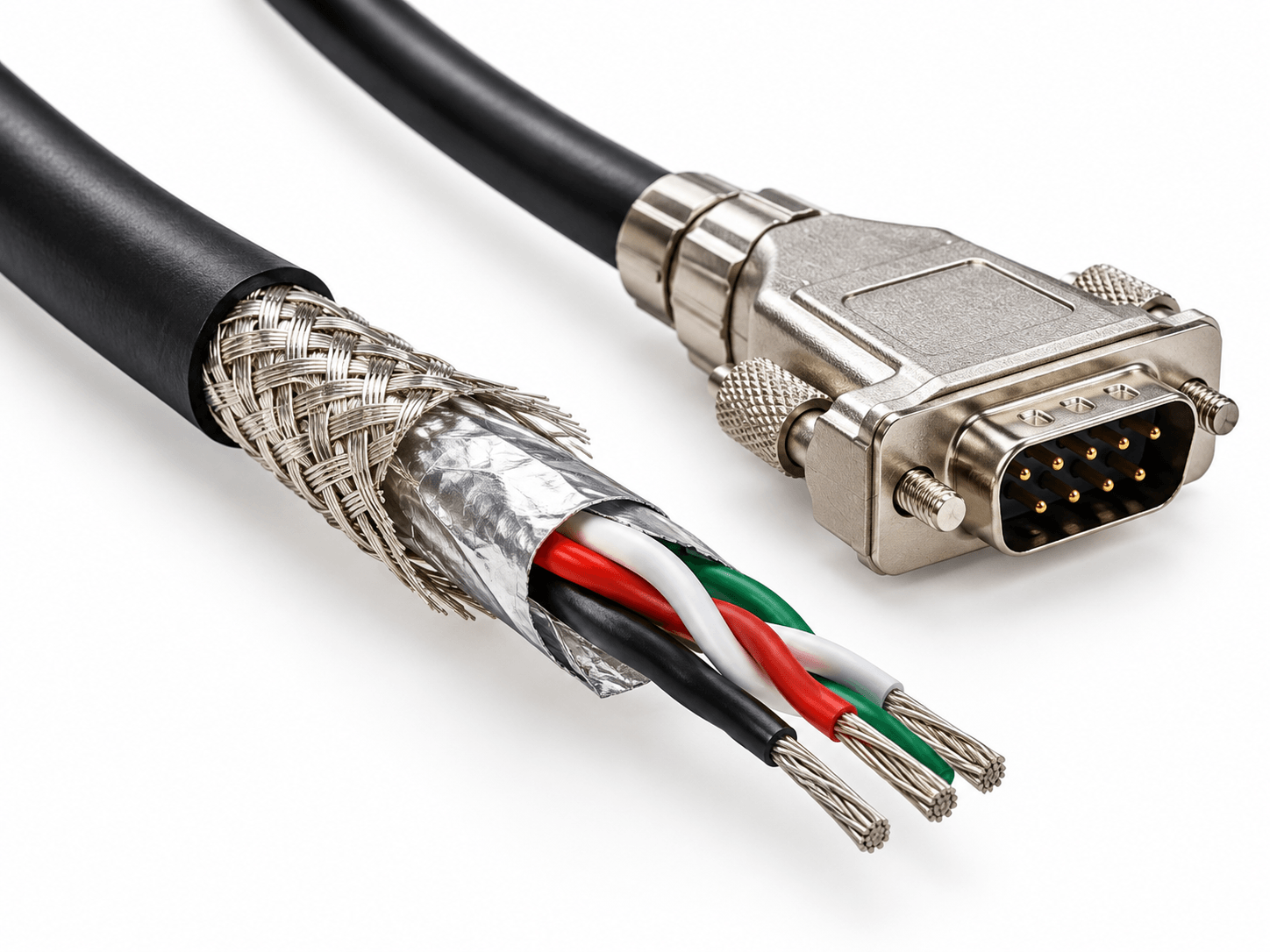
Why shield continuity alone doesn’t establish EMI performance, and what defense cable assembly specifications should address regarding termination, interfaces, and verification.