Right Angle MCIO x8 Cables for High Density PCIe Gen 5 Platforms
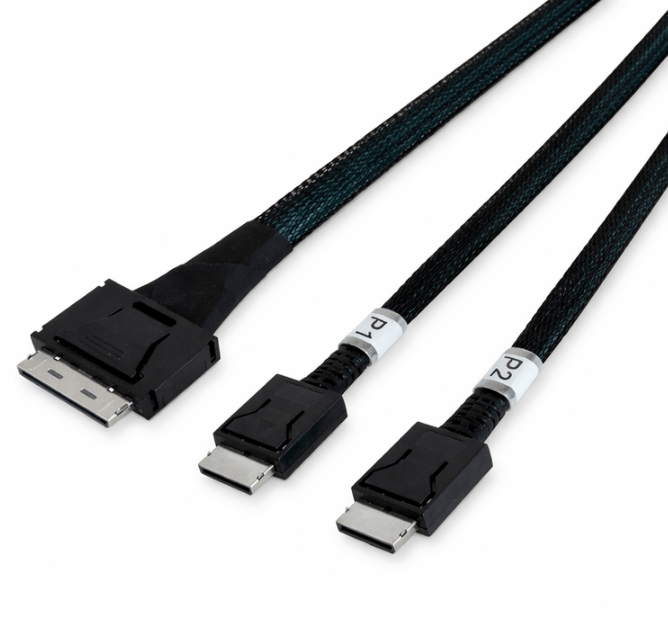
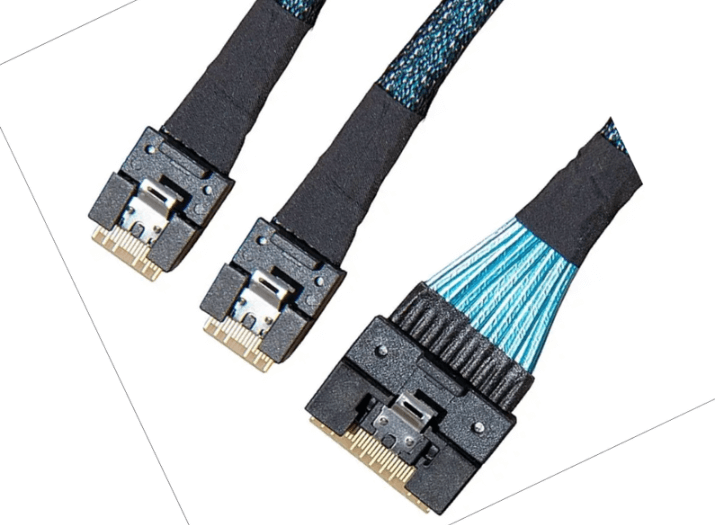
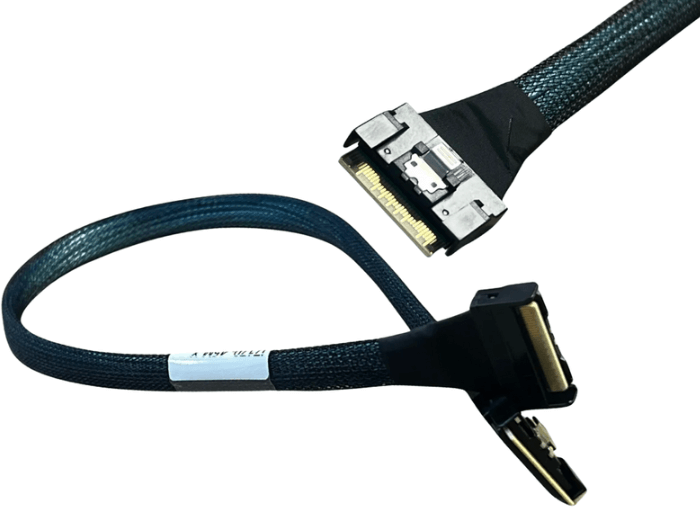
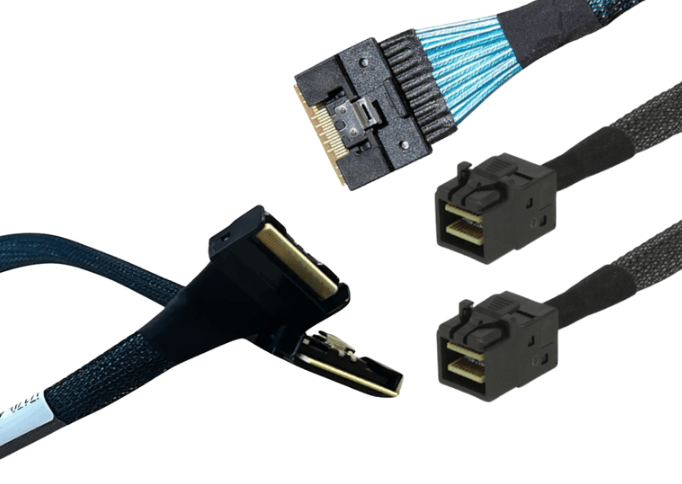
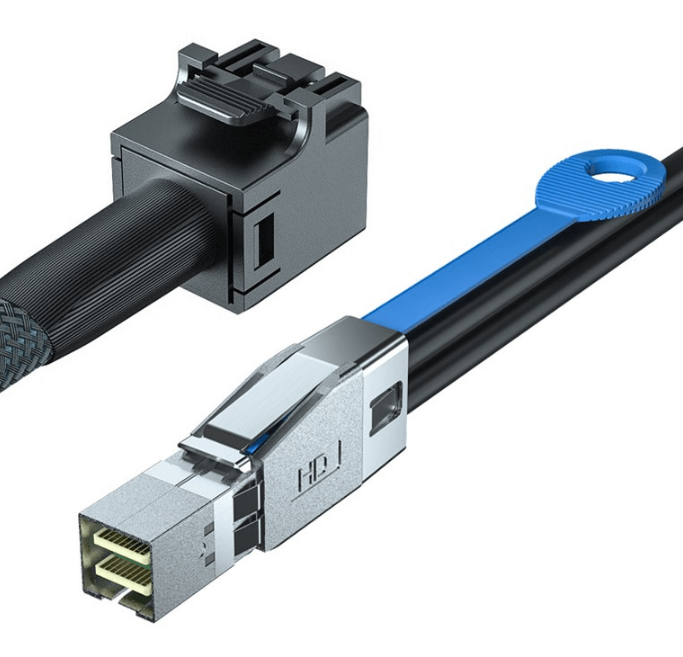
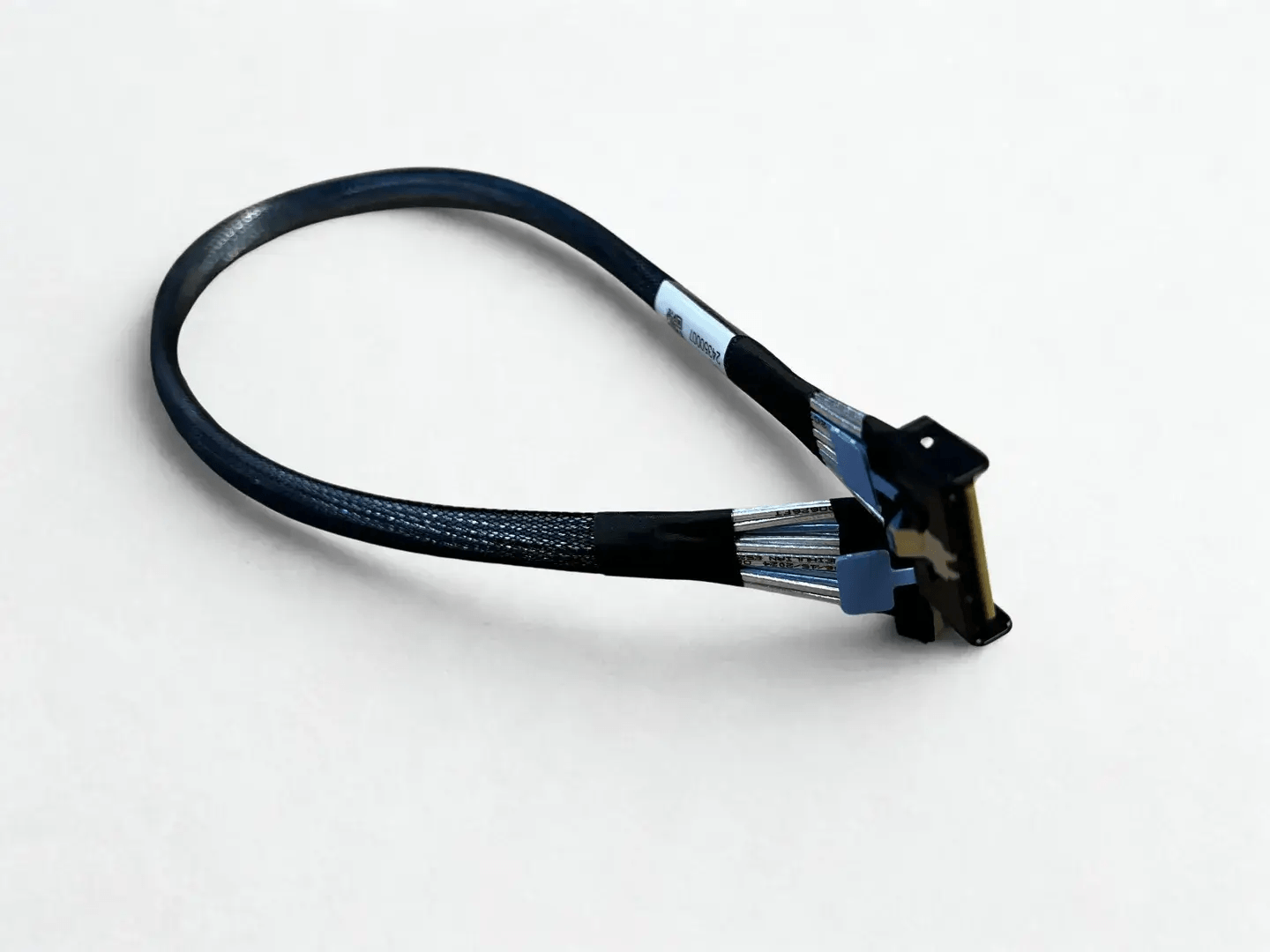
Right angle MCIO x8 cables are high density interconnect assemblies designed for PCIe Gen 5 connectivity in systems with constrained physical layouts. These cables connect servers, GPUs, and backplanes using MCIO x8 interfaces while incorporating angled connector geometry to support efficient routing. They are commonly used in platforms where space optimization and signal integrity must be maintained simultaneously.
MCIO x8 Interface and PCIe Lane Structure
The MCIO x8 connector supports eight high speed PCIe lanes within a compact footprint. Each lane consists of a differential pair that enables high bandwidth communication between host systems and connected devices.
In right angle cable assemblies, all eight lanes are preserved with direct one to one mapping between connectors. This maintains point to point PCIe communication without requiring protocol conversion or signal redistribution.
PCIe Gen 5 Signaling Requirements
PCIe Gen 5 increases data rates per lane, making signal integrity a critical factor in cable design. High frequency signaling requires precise impedance control and minimal signal loss across the entire transmission path.
Right angle MCIO x8 cables are engineered to maintain stable electrical characteristics through connector transitions, ensuring reliable link training and consistent throughput in high performance environments.
Signal Integrity and Connector Transition Design
The transition introduced by a right angle connector must be carefully engineered to preserve signal quality. Any discontinuity in impedance or geometry can lead to reflections and signal degradation.
Key design considerations include:
- Controlled impedance through connector transitions
- Minimal insertion loss across interfaces
- Effective shielding to reduce crosstalk
- Consistent differential pair alignment
These factors ensure that angled connector designs maintain the same electrical performance as straight configurations.
Mechanical Advantages in High Density Systems
Right angle connectors reduce vertical clearance requirements and enable more efficient cable routing in compact systems. This is particularly beneficial in GPU dense servers, 1U and 2U platforms, and systems with limited space between components.
The use of angled connectors helps reduce mechanical strain on ports and improves airflow by keeping cable paths aligned with system layout constraints.
Deployment in GPU and Enterprise Platforms
Right angle MCIO x8 cables are widely used in environments that require high bandwidth connectivity within limited physical space.
Typical deployment scenarios include:
- GPU to motherboard interconnects in AI systems
- Backplane connections in high density servers
- PCIe expansion within compact enclosures
- Accelerator integration in compute clusters
- Test and validation platforms for PCIe hardware
These applications benefit from improved routing efficiency and stable high speed performance.
Installation and Routing Best Practices
Cable routing should follow airflow paths to prevent thermal issues. Avoid sharp bends near the connector and maintain proper bend radius to protect cable integrity.
Ensure connectors are fully seated and secured. Organized cable management reduces mechanical stress and simplifies maintenance in dense system environments.
FAQ (Frequently Asked Questions)
What is the advantage of a right angle MCIO x8 cable?
It reduces clearance requirements and improves routing in compact system layouts.
Does the right angle design affect PCIe performance?
When properly engineered, it maintains signal integrity and does not degrade performance.
Are these cables compatible with earlier PCIe generations?
Yes, compatibility depends on system hardware, but PCIe standards generally support backward operation.
Where are right angle MCIO cables typically used?
They are used in servers, GPU platforms, and high density computing systems.