Skip to content
tmccables logo
  • Home
  • About
  • IndustryExpand
    • Telecom & Data
    • Commercial
    • Military
    • Industrial
  • Tech Resources
  • Contact Us
tmccables logo
  • PCIe

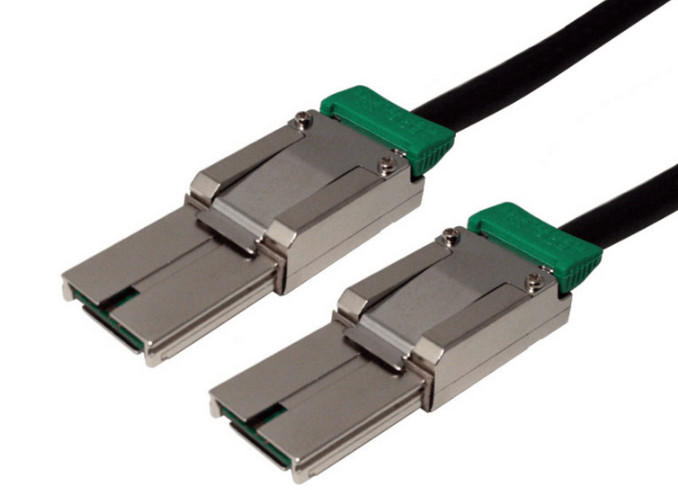
    How You Build A Future-Proof PCIe 4.0 Server With The Right Cables And Connectors

    Building a future-proof PCIe 4.0 server requires selecting Gen 4 or Gen 5 rated cables, choosing scalable connector standards, keeping cable lengths short, optimizing routing and airflow, and validating firmware and signal integrity across the entire PCIe channel.
    Read More How You Build A Future-Proof PCIe 4.0 Server With The Right Cables And ConnectorsContinue

  • PCIe4

    What Should Installers Know About PCIe 4.0 Backplanes

    Installers working with PCIe 4.0 backplanes must account for Gen 4 rated cabling, careful routing, airflow management, proper firmware configuration, and post-install validation to ensure reliable high-speed performance.

    Read More What Should Installers Know About PCIe 4.0 BackplanesContinue

  • HD MiniSAS

    Is HD MiniSAS Still Relevant In Modern Storage And Server Designs?

    HD MiniSAS is still relevant in modern storage and server designs where SAS based architectures, external connectivity, cost efficiency, and proven reliability matter more than maximum density or PCIe Gen 5 scalability.

    Read More Is HD MiniSAS Still Relevant In Modern Storage And Server Designs?Continue

  • MCIO

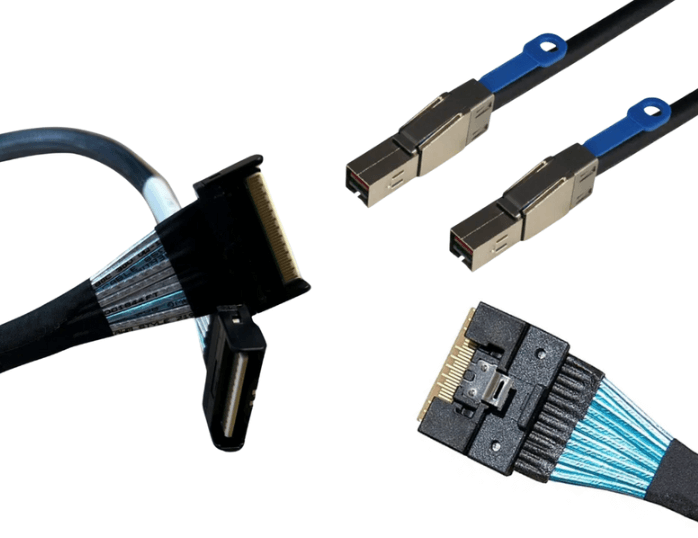
    What Should OEMs And Integrators Consider When Designing With MCIO

    OEMs and integrators designing with MCIO must account for signal integrity, pinout compatibility, cable length, airflow, mechanical support, and future PCIe scalability to fully realize the benefits of this high-density connector standard.

    Read More What Should OEMs And Integrators Consider When Designing With MCIOContinue

  • HD MiniSAS

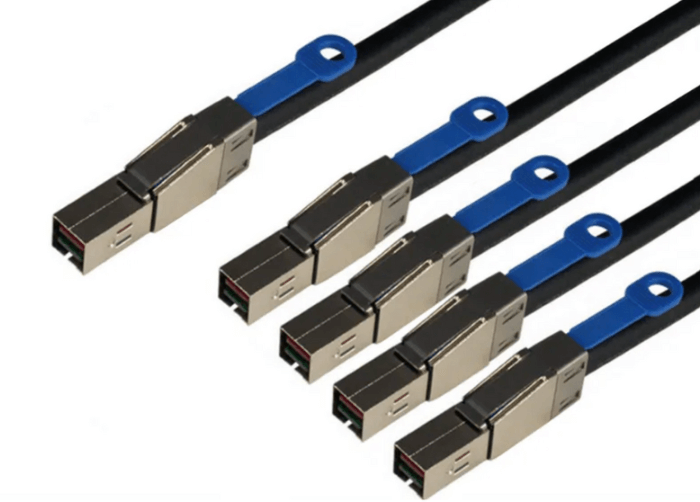
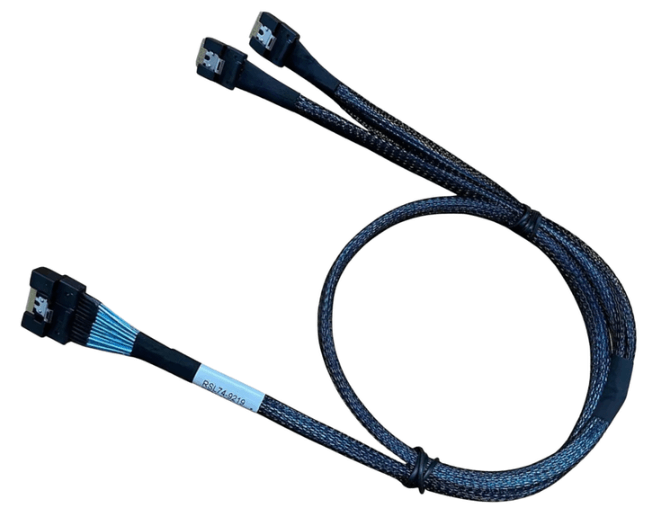
    What HD MiniSAS Breakout Configurations Are Possible?

    HD MiniSAS breakout configurations include fan-outs to SATA, SAS, U.2 NVMe, MiniSAS, and additional HD MiniSAS ports, with valid options determined by lane count, protocol support, and system architecture.

    Read More What HD MiniSAS Breakout Configurations Are Possible?Continue

  • MCIO

    How Long Can MCIO Cables Run Before Signal Loss Becomes A Problem

    MCIO cable length limits depend on protocol, lane count, and environment, but for reliable PCIe Gen 4 operation passive runs are typically kept under 50 to 75 cm, while PCIe Gen 5 designs often require lengths under 40 cm or the use of retimers.

    Read More How Long Can MCIO Cables Run Before Signal Loss Becomes A ProblemContinue

  • SlimSAS

    How To Troubleshoot SlimSAS Errors Before Replacing The Cable

    Before replacing a SlimSAS cable, troubleshoot connector seating, routing stress, compatibility, firmware configuration, and environmental factors, since many SlimSAS errors are caused by system issues rather than cable failure.

    Read More How To Troubleshoot SlimSAS Errors Before Replacing The CableContinue

  • PCIe4

    What Is Insertion Loss And Why Does Cable Quality Matter For PCIe

    Insertion loss is the reduction of signal strength as data travels through a cable or connector, and in PCIe Gen 4 and Gen 5 systems, cable quality directly determines whether links remain stable, reach full speed, or fail under load.

    Read More What Is Insertion Loss And Why Does Cable Quality Matter For PCIeContinue

  • HD MiniSAS

    Why HD MiniSAS Cables Fail And How You Prevent It

    HD MiniSAS cables most often fail due to mechanical stress, heat, EMI, or poor routing, and careful handling, proper routing, and quality components are the most effective ways to prevent repeat failures.

    Read More Why HD MiniSAS Cables Fail And How You Prevent ItContinue

  • Slimsas

    How To Route SlimSAS Cables Without Restricting Airflow Or Speed

    SlimSAS cables should be routed along chassis edges with short, gentle paths that avoid fans and heat sinks, preserving airflow while maintaining signal integrity at PCIe Gen 4 and Gen 5 speeds.

    Read More How To Route SlimSAS Cables Without Restricting Airflow Or SpeedContinue

Page navigation

Previous PagePrevious 1 … 3 4 5 6 7 … 9 Next PageNext

Celebrating 35 Years of Manufacturing Excellence

  • sales@TMCSCSI.com
  • 951-695-6288

Certifications

ITAR
footer-ul
footer-iso
footer-atex
footer-ipc

Quick Links

  • Home
  • About
  • Tech Resources
  • Contact Us
  • Telecom & Data
  • Commercial
  • Military & Aerospace
  • Industrial

Follow us on LinkedIn:

Keep up with technical information and product updates.

  • LinkedIn

© 2026 TMC - The Mate Company

Privacy Policy

  • Home
  • About
  • Industry
    • Telecom & Data
    • Commercial
    • Military
    • Industrial
  • Tech Resources
  • Contact Us