Electrical Signal Mapping in HD50 to CEN50 SCSI Adapter Connections
HD50 to CEN50 SCSI adapters maintain direct pin to pin signal mapping between two 50 pin connector formats, enabling electrical compatibility in legacy parallel SCSI systems.

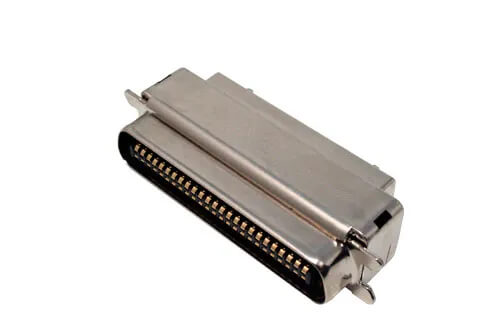
HD50 to CEN50 SCSI adapters maintain direct pin to pin signal mapping between two 50 pin connector formats, enabling electrical compatibility in legacy parallel SCSI systems.
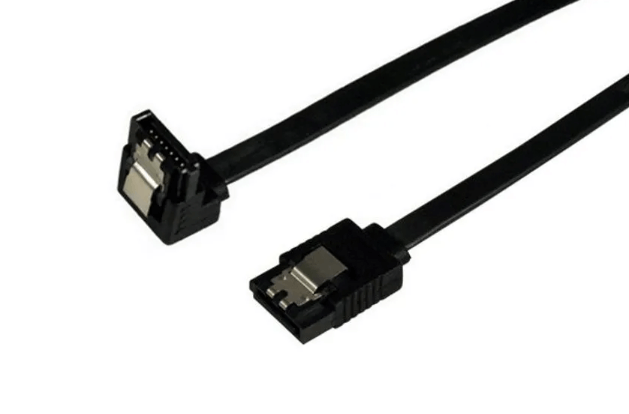
Connector orientation and LSZH jacket materials play an important role in SATA cable performance, safety, and airflow management in compact server and embedded storage systems.
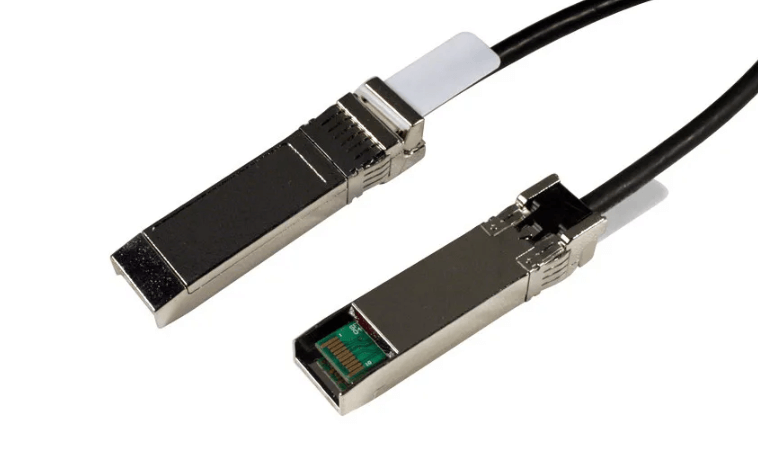
SFP+ LSZH cable assemblies combine passive twinax electrical performance for short reach 10Gb Ethernet links with low smoke, zero halogen jacket materials required in regulated facilities.
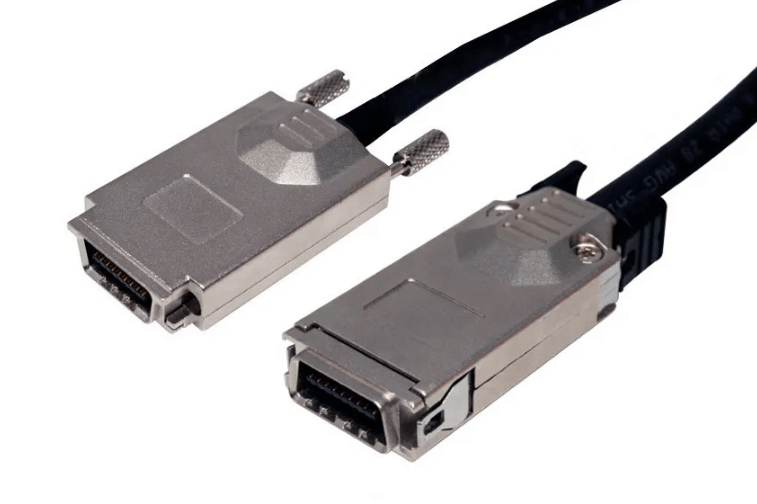
Latch based CX4 copper interconnects provide consistent mechanical retention and improved service access in dense rack environments while maintaining standard electrical performance.
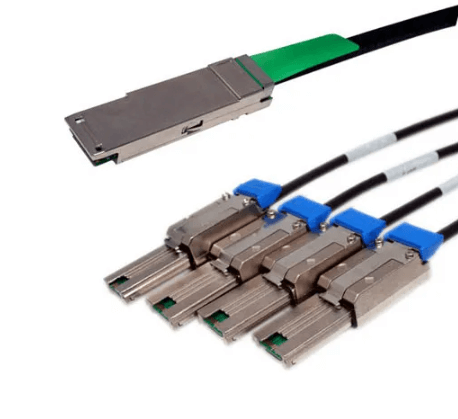
QSFP+ to Mini SAS x4 copper assemblies enable high density external SAS connectivity by mapping multiple lanes from a single QSFP+ port to independent Mini SAS wide links.
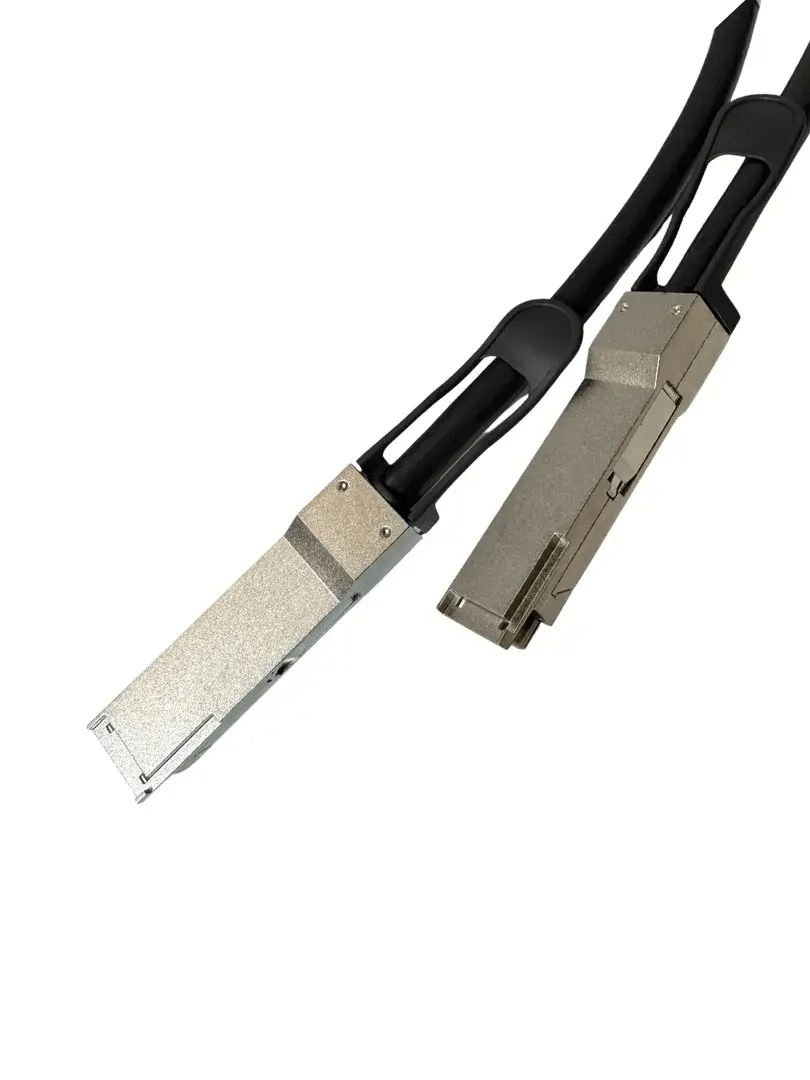
An 800G to 400G x2 DAC breakout cable allows a single high speed switch port to operate as two independent 400G links, improving density and supporting phased network upgrades.
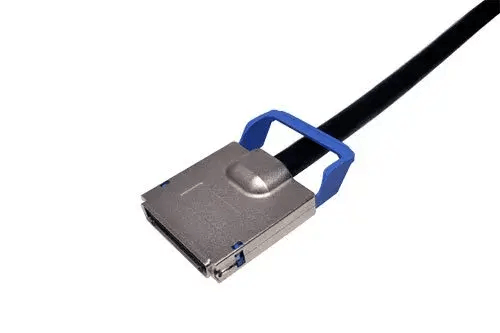
12X to 12X InfiniBand ejector cables provide high density copper connectivity with controlled mechanical retention for stable performance in clustered and rack dense environments.
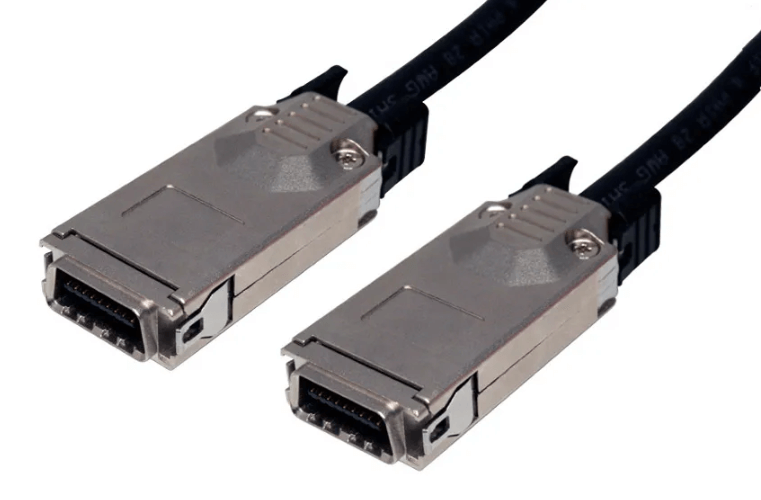
Mechanical retention mechanisms in CX4 cable assemblies maintain stable electrical contact and signal integrity in vibration prone, high density rack deployments.
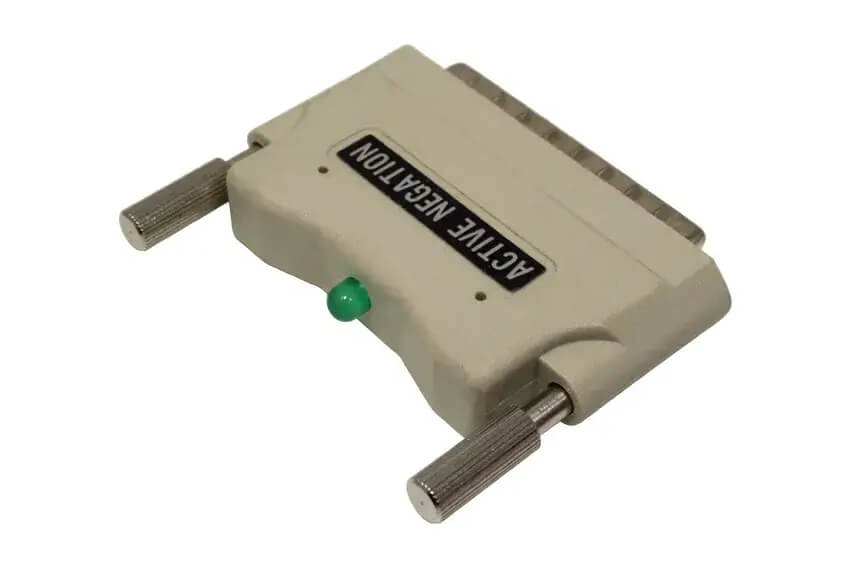
HD68 external terminators maintain Ultra320 SCSI bus stability by providing controlled end of line impedance and preventing signal reflections in external storage chains.
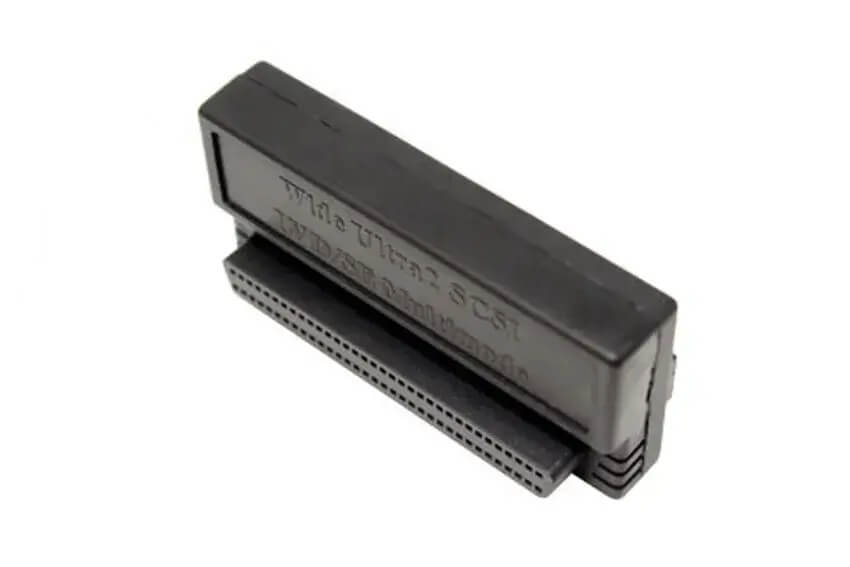
HD68 internal SCSI terminators ensure proper electrical impedance and signal integrity in legacy parallel SCSI systems when installed at the correct physical bus endpoints.