Signal Integrity and Performance of HSSDC2 Cables in 2G Fibre Channel
HSSDC2 cables support stable 2G Fibre Channel performance by maintaining controlled impedance, shielding integrity, and reliable copper connectivity in legacy SAN environments.

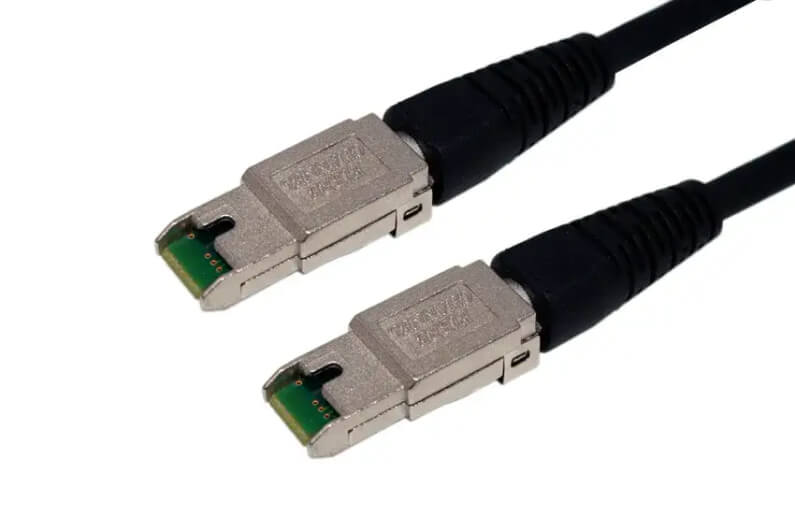
HSSDC2 cables support stable 2G Fibre Channel performance by maintaining controlled impedance, shielding integrity, and reliable copper connectivity in legacy SAN environments.
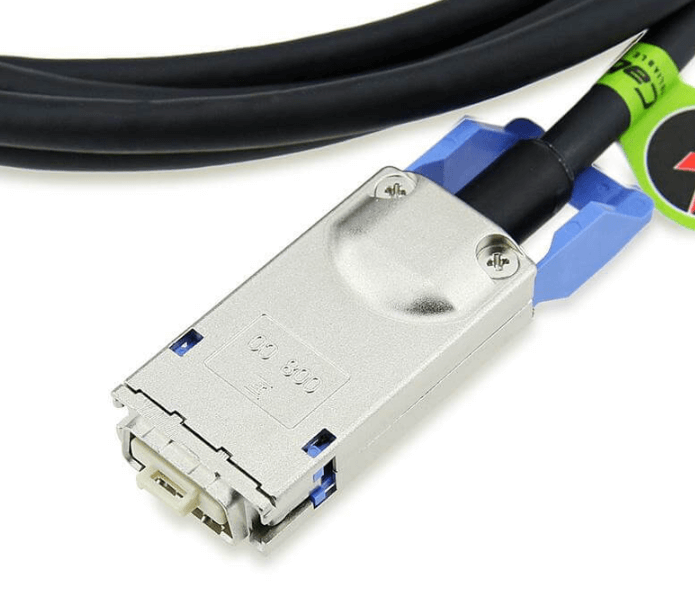
CX4 ejector cables are best used in legacy 10GbE and InfiniBand systems where frequent maintenance and limited physical access make fast, tool free disconnection more practical than traditional thumbscrew retention.
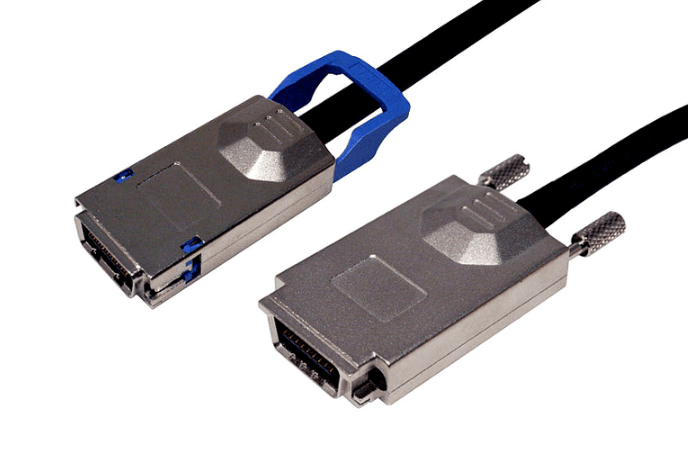
CX4 thumbscrew cables enabled stable, short range copper connectivity in early 10GbE and InfiniBand systems by combining controlled impedance signaling with secure mechanical retention.
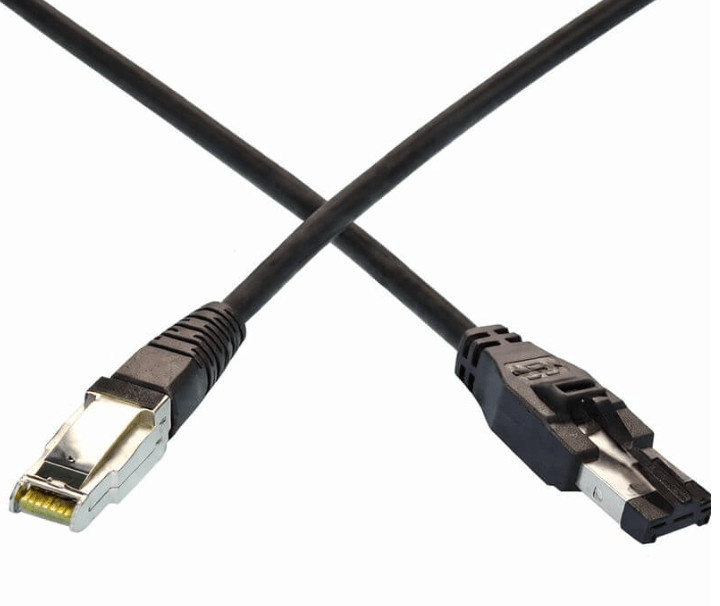
HSSDC2 to HSSDC2 cables support short-reach, copper-based Fibre Channel connectivity in legacy SAN environments, providing stable, high-density links between controllers and storage components in long-lifecycle enterprise systems.
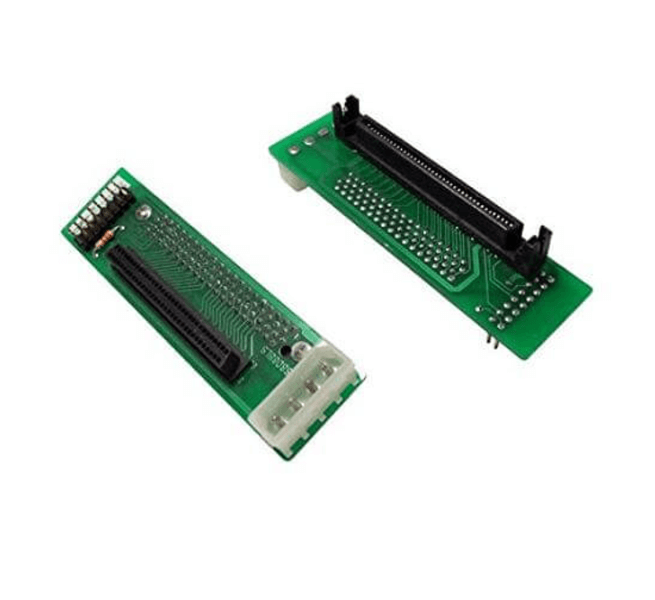
SCA 80 SCSI drives should be used with HD68 controllers when legacy systems require enterprise grade storage without replacing existing SCSI controllers or cabling.
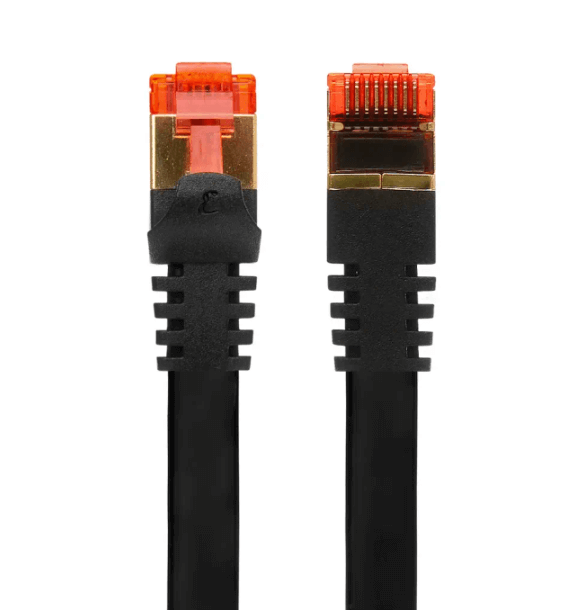
Flat CAT6 LSZH cables should be chosen over round cables when routing space is limited and safety requirements demand low profile, low emission Ethernet solutions.
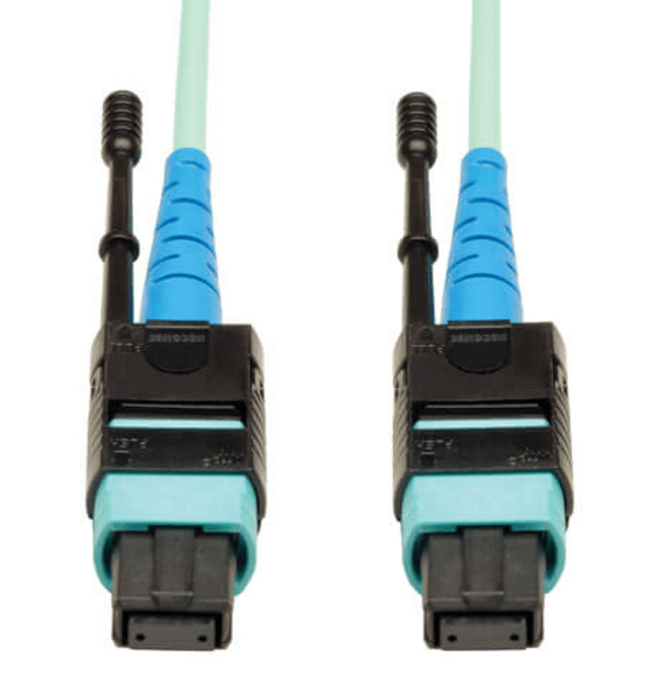
MTP and MPO cabling should be used instead of duplex fiber when high bandwidth, parallel optics, and dense structured fiber routing are required in modern networks.
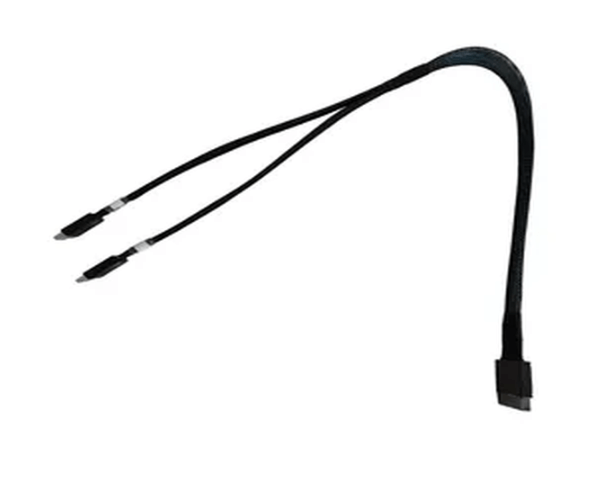
OCuLink lane splitting turns a single 8 lane port into two x4 links by combining host level PCIe bifurcation with precise physical lane routing through a breakout cable.
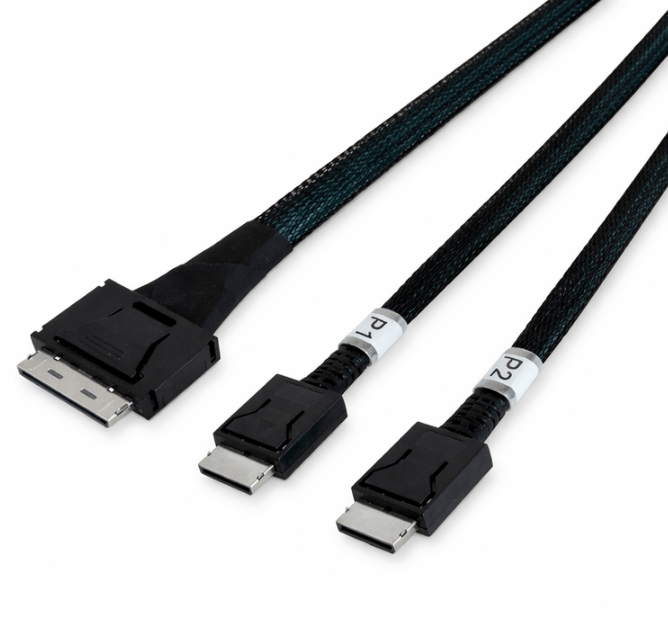
The I8040X2-M OCuLink cable enables proper PCIe lane breakout by preserving native electrical signaling and precise lane mapping for dual x4 connectivity.
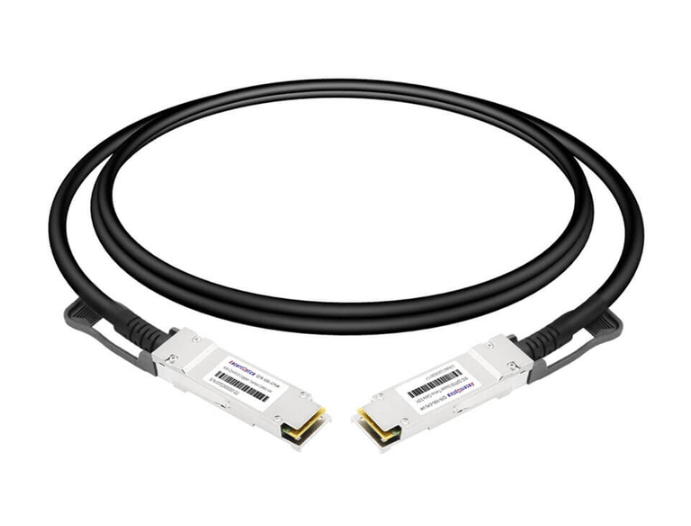
QSFP28 DAC cables are preferred for 100 Gb network links when short reach, low latency, and efficient copper based connectivity align with the physical layout of the deployment.