MCIO 4i Connectivity For PCIe Gen4 And Gen5
MCIO 4i connectivity supports compact four lane PCIe Gen4 and Gen5 links for servers, NVMe storage platforms, and high density computing systems.

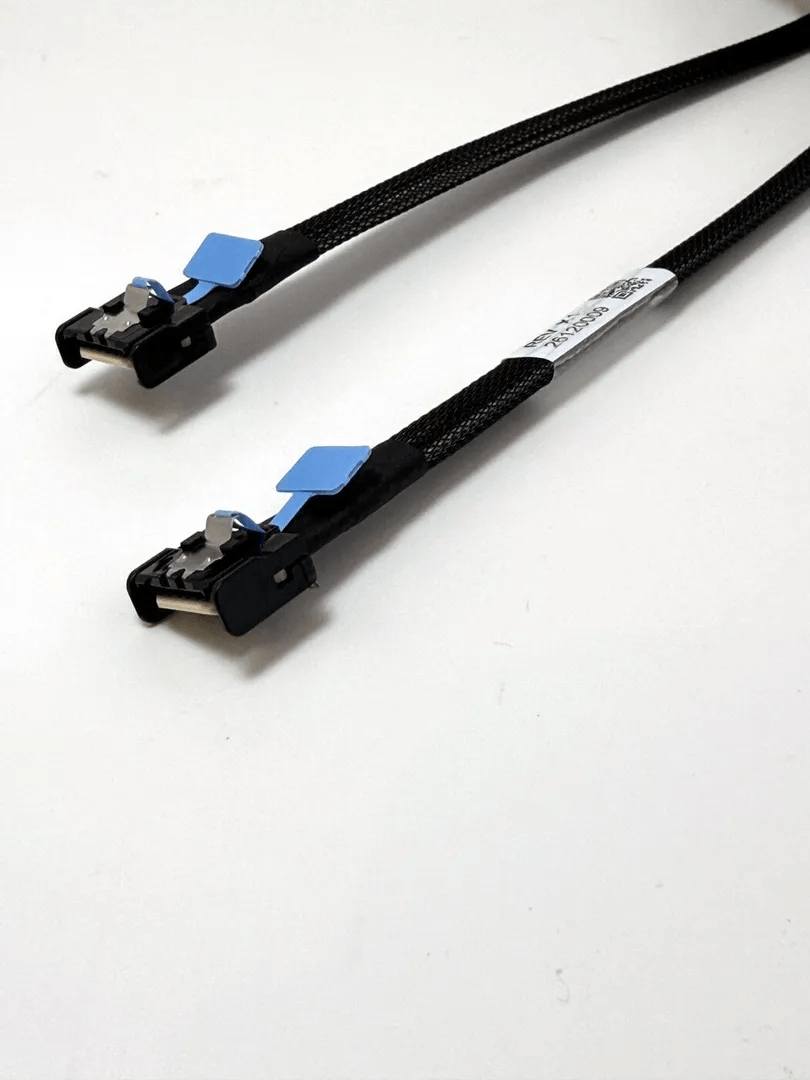
MCIO 4i connectivity supports compact four lane PCIe Gen4 and Gen5 links for servers, NVMe storage platforms, and high density computing systems.
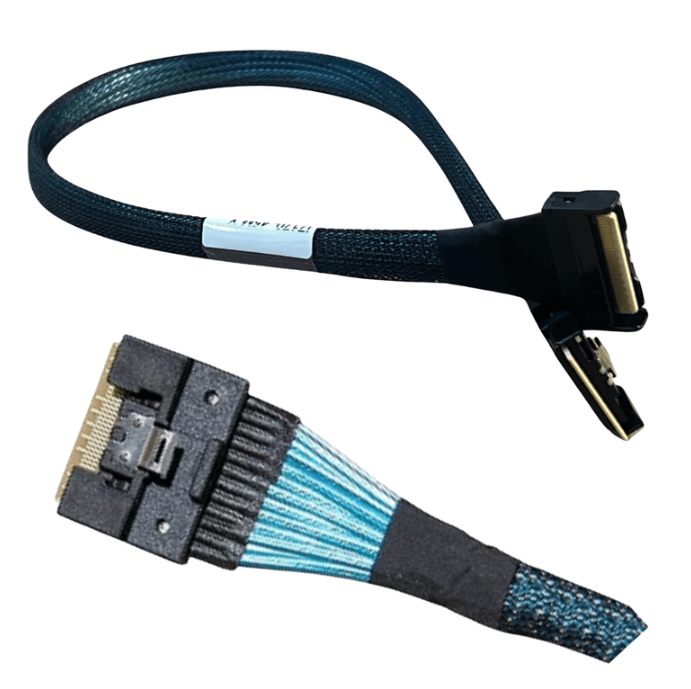
SlimSAS supports PCIe Gen 4.0 only when the host, backplane, cable, and routing are all designed for Gen 4 signaling, making cable selection and system verification critical to compatibility and performance.
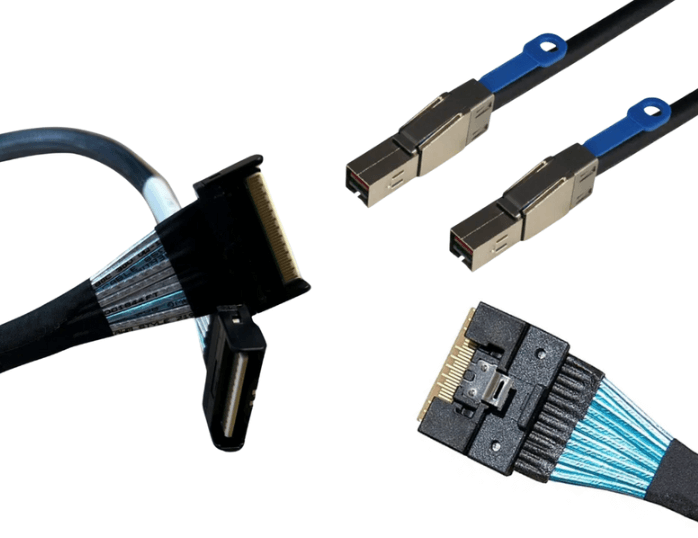
Building a future-proof PCIe 4.0 server requires selecting Gen 4 or Gen 5 rated cables, choosing scalable connector standards, keeping cable lengths short, optimizing routing and airflow, and validating firmware and signal integrity across the entire PCIe channel.
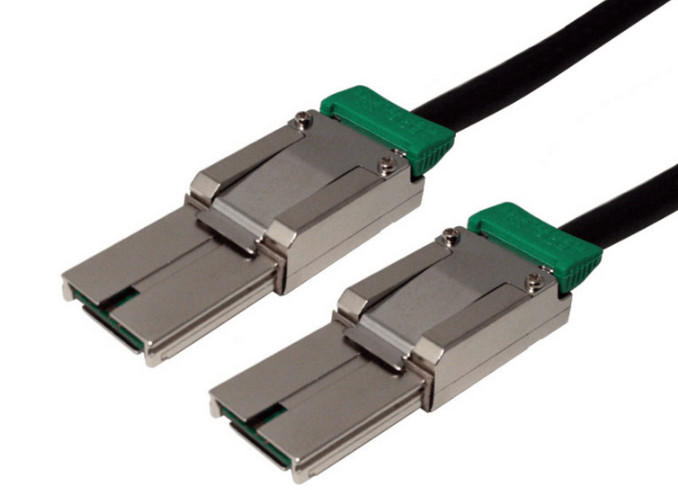
Installers working with PCIe 4.0 backplanes must account for Gen 4 rated cabling, careful routing, airflow management, proper firmware configuration, and post-install validation to ensure reliable high-speed performance.
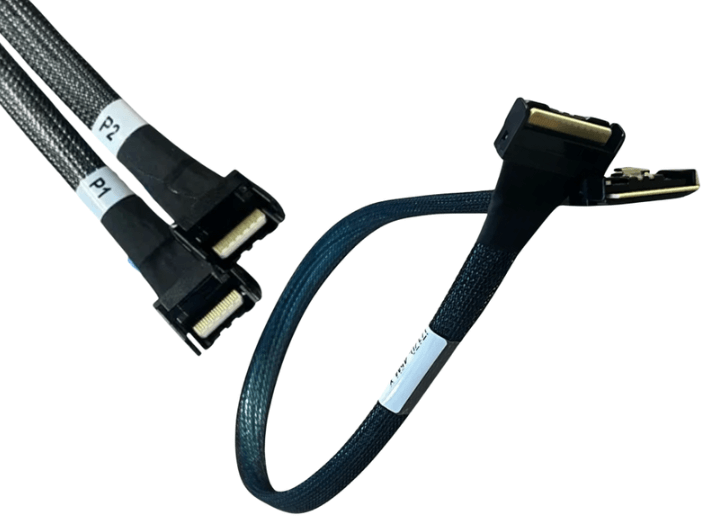
MCIO cable length limits depend on protocol, lane count, and environment, but for reliable PCIe Gen 4 operation passive runs are typically kept under 50 to 75 cm, while PCIe Gen 5 designs often require lengths under 40 cm or the use of retimers.
Insertion loss is the reduction of signal strength as data travels through a cable or connector, and in PCIe Gen 4 and Gen 5 systems, cable quality directly determines whether links remain stable, reach full speed, or fail under load.
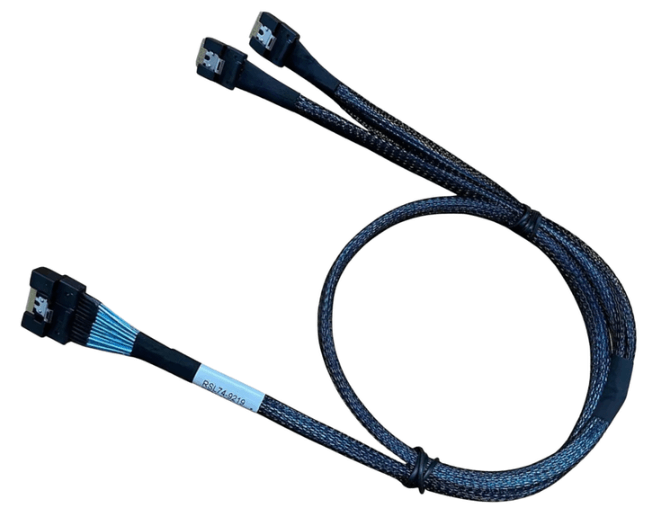
SlimSAS cables should be routed along chassis edges with short, gentle paths that avoid fans and heat sinks, preserving airflow while maintaining signal integrity at PCIe Gen 4 and Gen 5 speeds.
Avoiding bottlenecks in PCIe Gen 4.0 storage builds requires matching lane budgets, using Gen 4 rated backplanes and cables, configuring firmware correctly, and validating the entire data path under real workloads.
Cable layout optimization for PCIe Gen 4.0 focuses on short, gently routed runs with minimal strain, controlled separation, and careful avoidance of noise sources to preserve signal integrity.
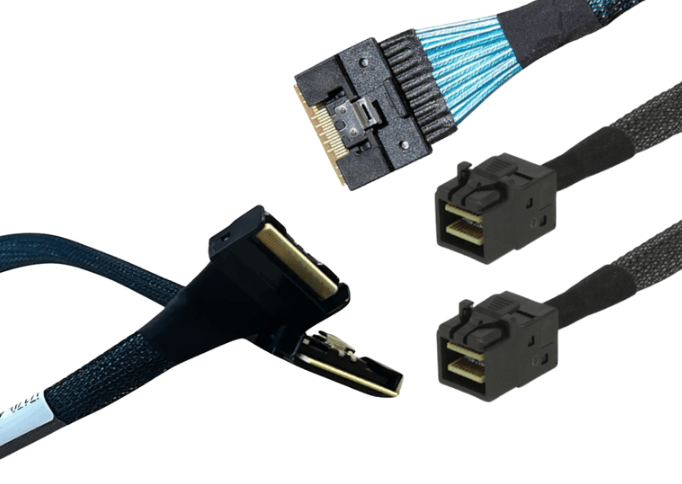
HD MiniSAS should be chosen over SlimSAS or MCIO when compatibility, mechanical robustness, cost efficiency, and proven SAS centric designs matter more than maximum density or PCIe Gen 5 scalability.