How Poor Cabling Cause Instability In PCIe Gen 4.0 Links
Poor cabling causes PCIe Gen 4.0 instability by increasing loss, reflections, and crosstalk, which reduces signal margin and leads to intermittent errors or link failures.

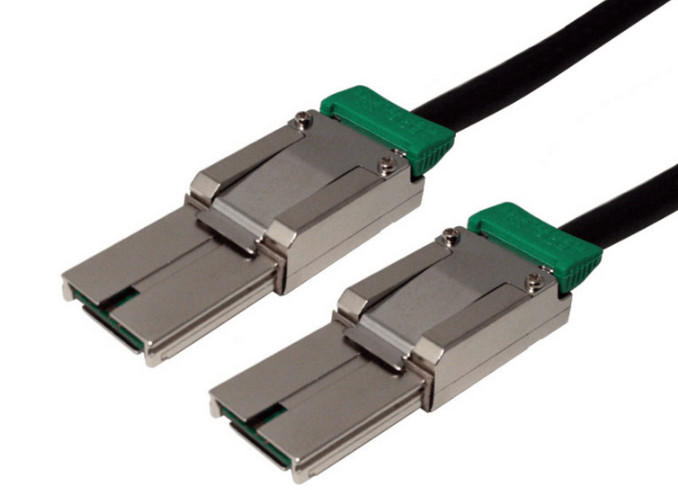
Poor cabling causes PCIe Gen 4.0 instability by increasing loss, reflections, and crosstalk, which reduces signal margin and leads to intermittent errors or link failures.
PCIe Gen 5.0 places stricter demands on high speed cables because doubled signaling rates significantly reduce signal integrity margins, requiring lower loss, tighter impedance control, and higher quality connectors.
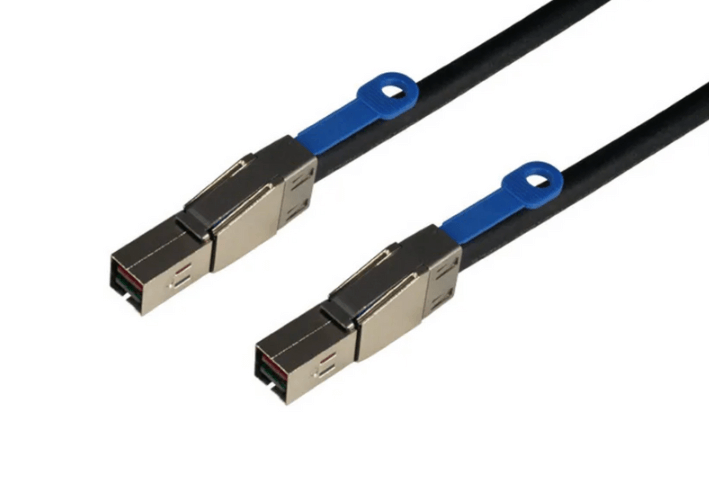
HD MiniSAS PCIe 4.0 should be used instead of SAS cabling when systems require native PCIe bandwidth, low latency, and dense internal connectivity for NVMe and accelerator driven architectures.