How Do You Identify The Right Internal SAS Cable For Your Server?
Identifying the right internal SAS cable requires matching connector standards, signaling protocol, lane count, and mechanical constraints to the specific server architecture.

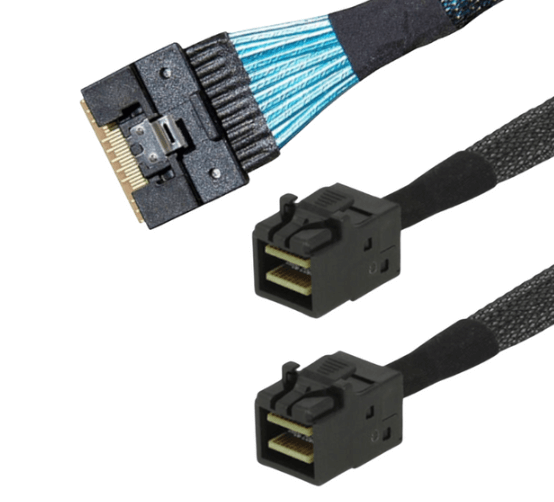
Identifying the right internal SAS cable requires matching connector standards, signaling protocol, lane count, and mechanical constraints to the specific server architecture.
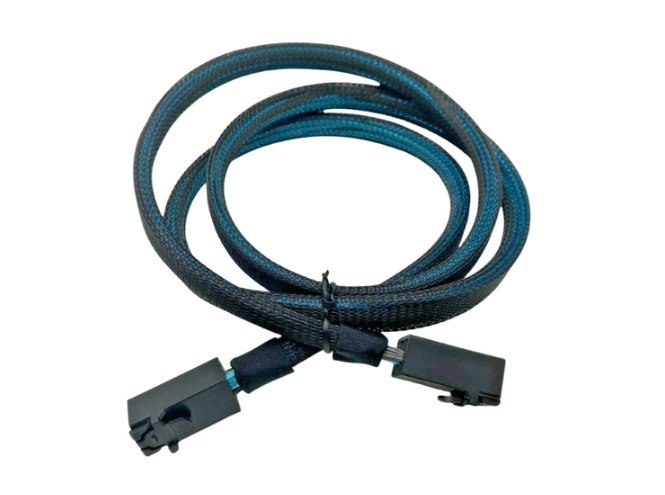
The most common routing mistakes with high speed storage cables involve tight bends, excess length, poor airflow management, connector strain, EMI exposure, and mismatched cable configurations.
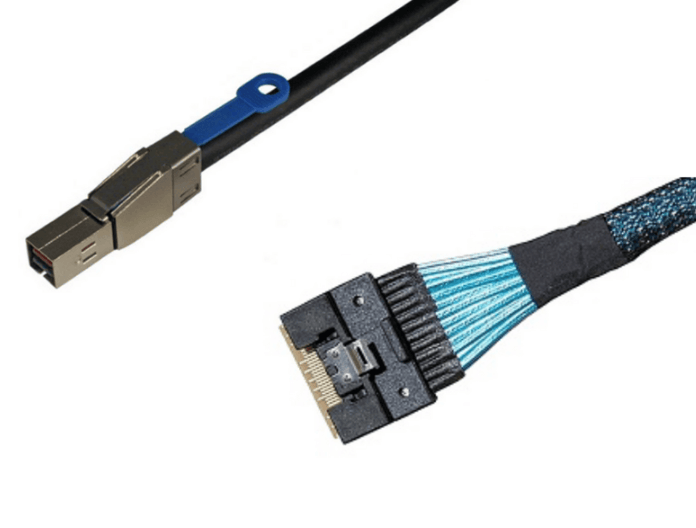
SFF-8644 and SFF-8654 differ in deployment location, size, lane support, and protocol capability, with SFF-8644 designed for external storage links and SFF-8654 optimized for dense internal high speed connections.
IPC/WHMA-A-620 is critical because it defines uniform workmanship standards that ensure cable and wire harness assemblies perform reliably, consistently, and safely across demanding applications.
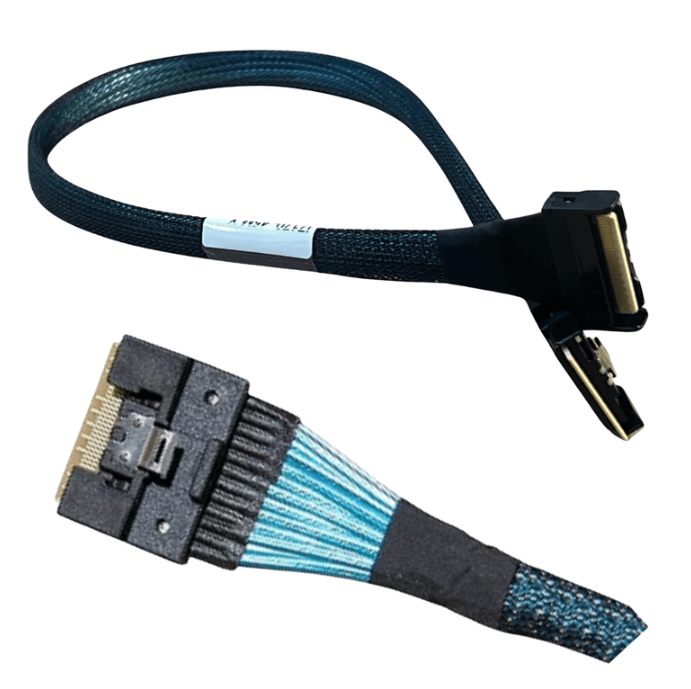
SlimSAS and MCIO both serve PCIe backplane designs, but SlimSAS is better suited for Gen 4 and mixed protocol systems, while MCIO is preferred for Gen 5 and future high speed PCIe architectures.
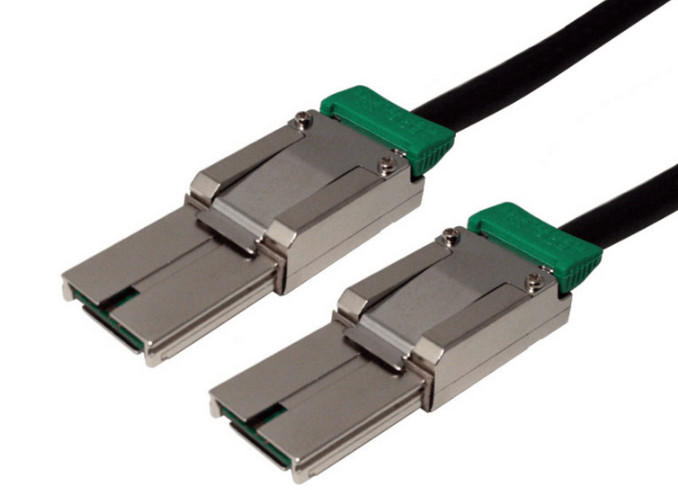
PCIe Gen 5.0 places stricter demands on high speed cables because doubled signaling rates significantly reduce signal integrity margins, requiring lower loss, tighter impedance control, and higher quality connectors.
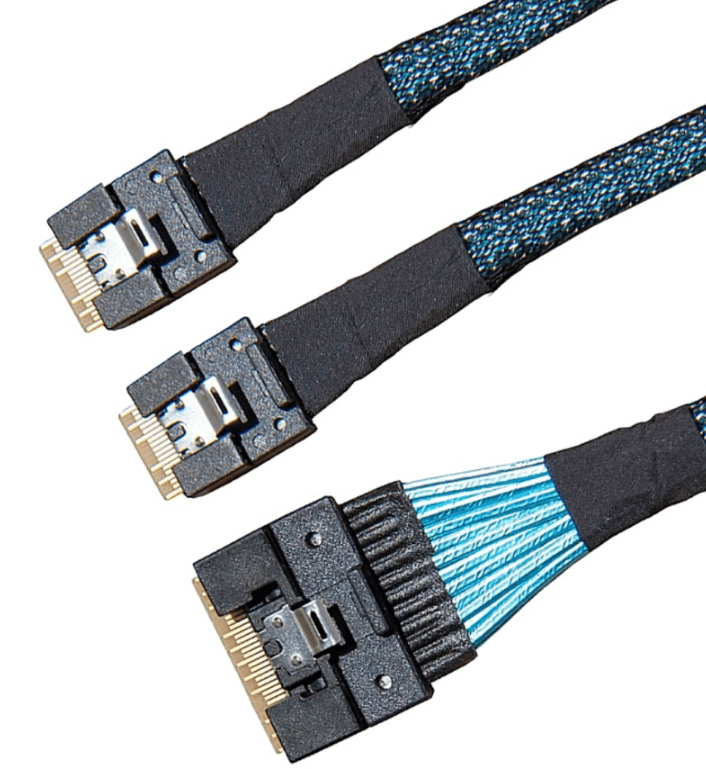
SFF-8654 defines the SlimSAS connector standard, enabling compact, high speed multi lane SAS and PCIe connectivity for modern high density server and storage systems.
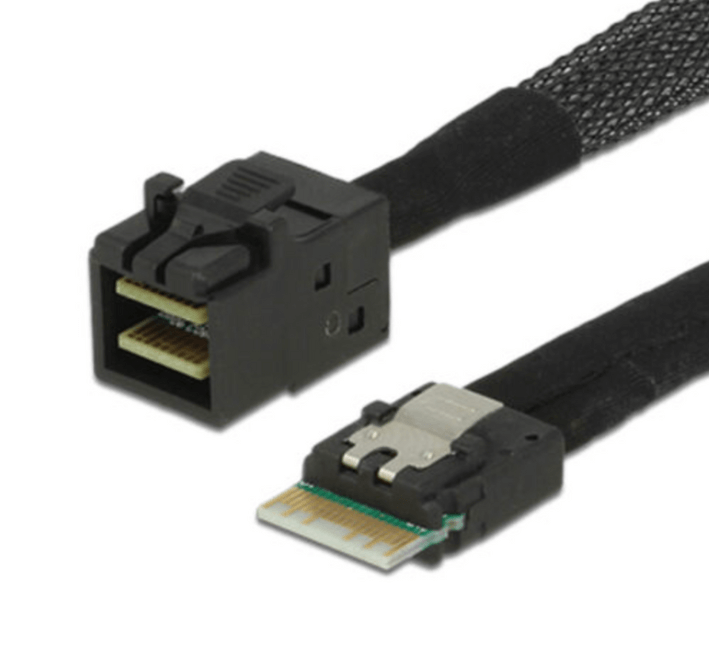
SlimSAS cables are becoming standard in high density server designs because they deliver high bandwidth, strong signal integrity, and compact routing in space constrained internal environments.
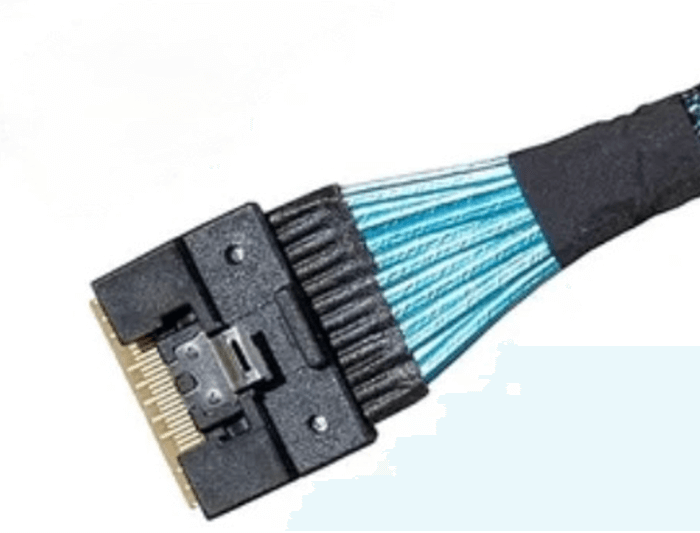
SlimSAS 8i is used in high density server designs because it delivers multi lane PCIe or SAS bandwidth in a compact form factor that supports dense layouts, clean routing, and modern storage performance.
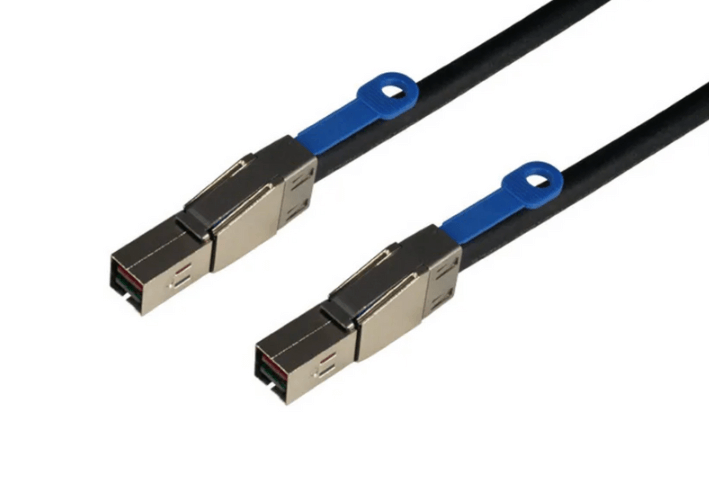
HD MiniSAS PCIe 4.0 should be used instead of SAS cabling when systems require native PCIe bandwidth, low latency, and dense internal connectivity for NVMe and accelerator driven architectures.