How Do You Choose Between SlimSAS 4i And SlimSAS 8i For Your System?
Choosing between SlimSAS 4i and SlimSAS 8i depends on lane availability, bandwidth requirements, routing density, and how much scalability your system needs over its lifetime.

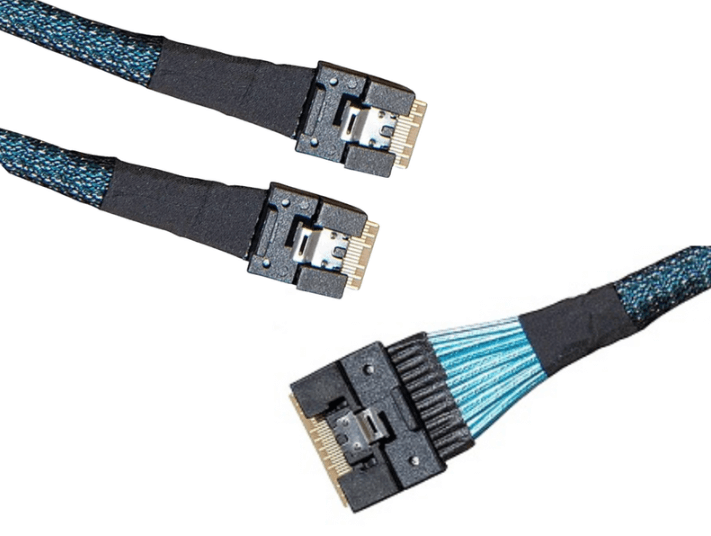
Choosing between SlimSAS 4i and SlimSAS 8i depends on lane availability, bandwidth requirements, routing density, and how much scalability your system needs over its lifetime.
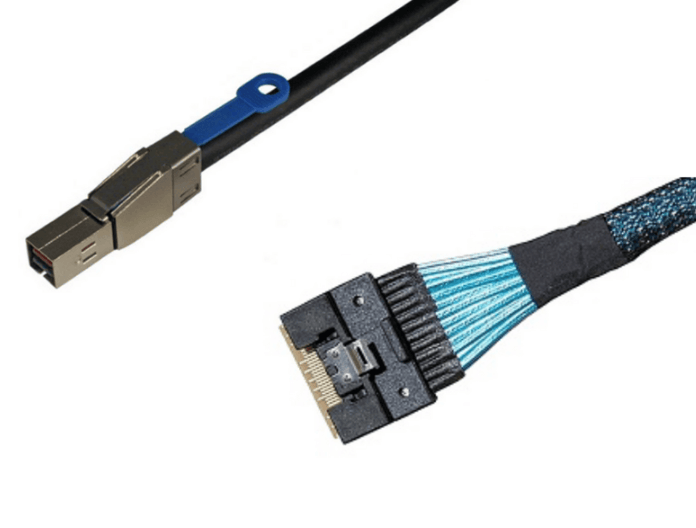
Custom-length SAS and SlimSAS cables improve high speed system performance by minimizing signal loss, reducing mechanical stress, preserving airflow, and increasing long term reliability.
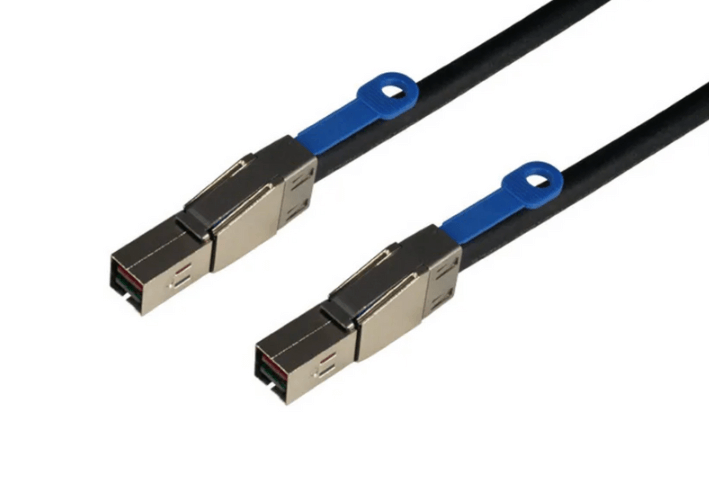
Preparing data storage infrastructure for PCIe Gen 5.0 requires selecting validated interconnects, tightening routing discipline, and planning for stricter signal integrity limits across the entire physical channel.
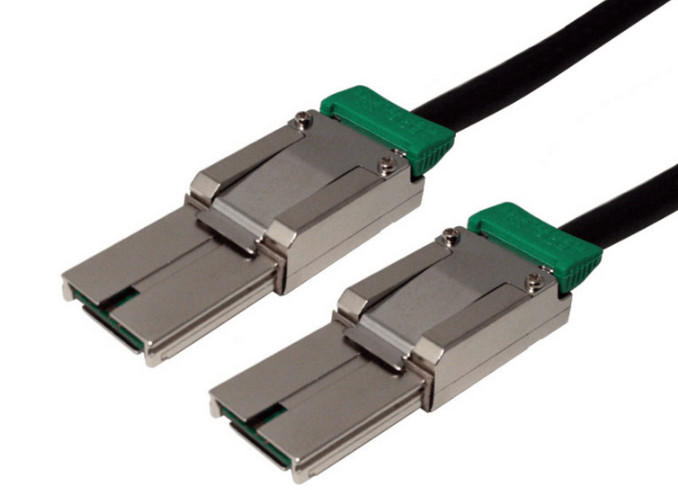
Poor cabling causes PCIe Gen 4.0 instability by increasing loss, reflections, and crosstalk, which reduces signal margin and leads to intermittent errors or link failures.
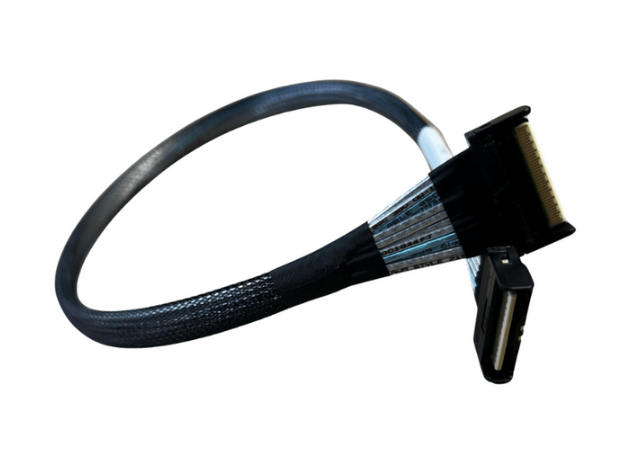
The most important specs for SAS 4.0 and PCIe Gen 5 cables are connector standard, protocol wiring, lane count, validated data rate, cable length, and construction quality, all of which directly affect signal integrity and reliability.
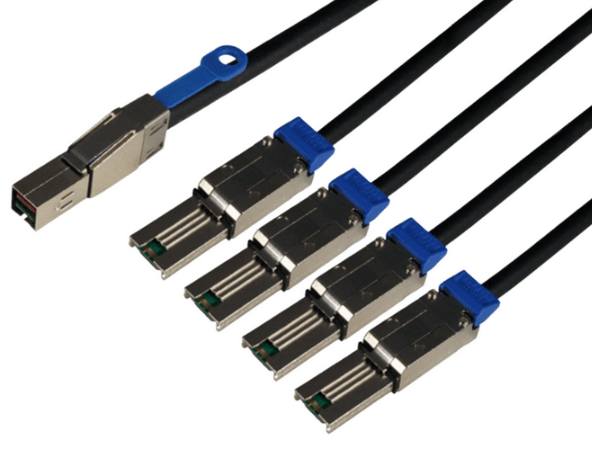
HD MiniSAS breakout cables work by redistributing the four SAS lanes from a single SFF-8644 external port to multiple internal connectors without changing protocol or signaling behavior.
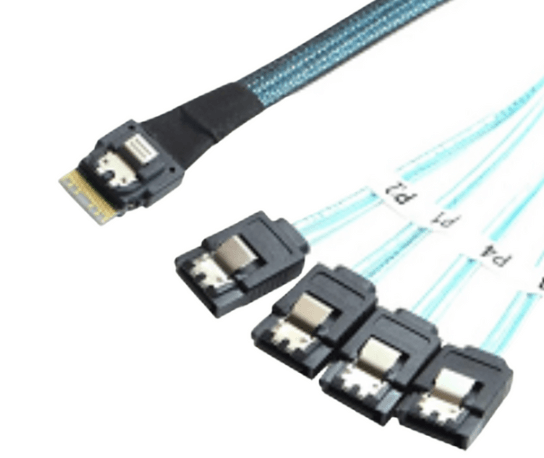
SlimSAS breakout cables work by redistributing multi lane SAS or PCIe signals from a single SlimSAS port to multiple SATA, SAS, or U.2 drives without performing any protocol conversion.
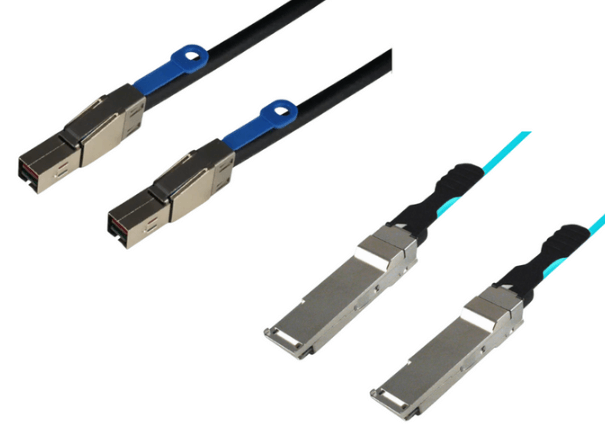
Choosing between copper and active optical cables depends on distance, bandwidth, power, and physical constraints, with copper favored for short efficient links and optical favored for longer high speed connections.
Future-proofing data center cabling requires selecting scalable standards, designing for higher signaling speeds, and maintaining modular, serviceable layouts that adapt to next generation hardware.
Choosing between SlimSAS 4i, SlimSAS 8i, and HD MiniSAS depends on lane count, space constraints, protocol support, and whether the platform is legacy or next generation.