When Should You Choose Active Optical Cables Instead Of Traditional Copper Links?
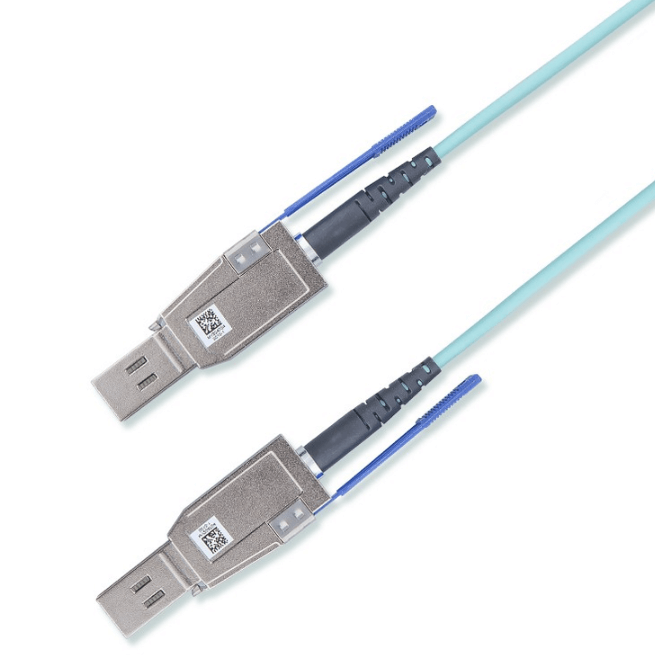
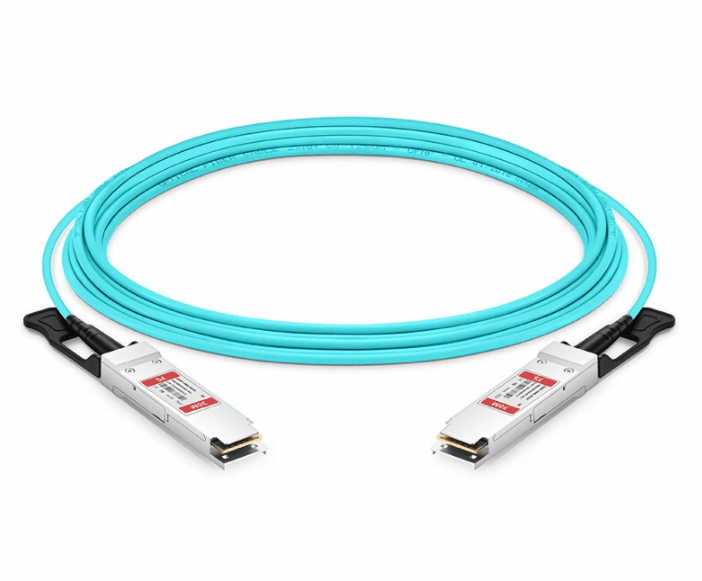
Active Optical Cables, commonly referred to as AOCs, are hybrid cable assemblies that integrate optical fibers with embedded electronics inside standard electrical connectors. They are used in data centers, storage fabrics, and high-speed networking environments where copper cabling reaches practical limits in distance, bandwidth, or signal integrity. AOCs exist to extend reach and maintain stable performance without changing host port form factors.
Limitations Of Traditional Copper Links
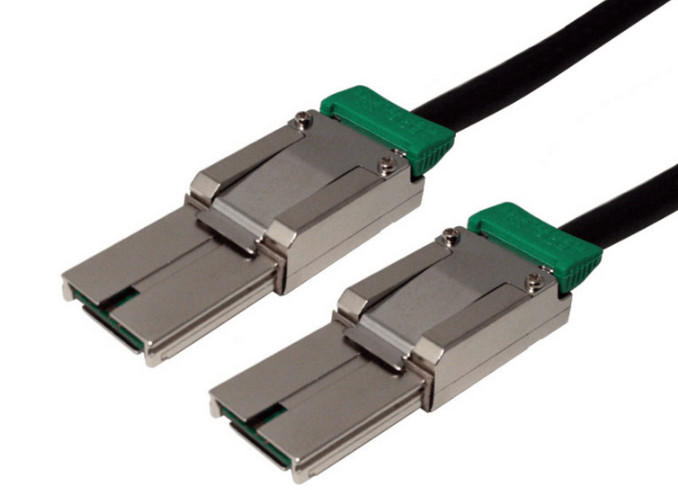
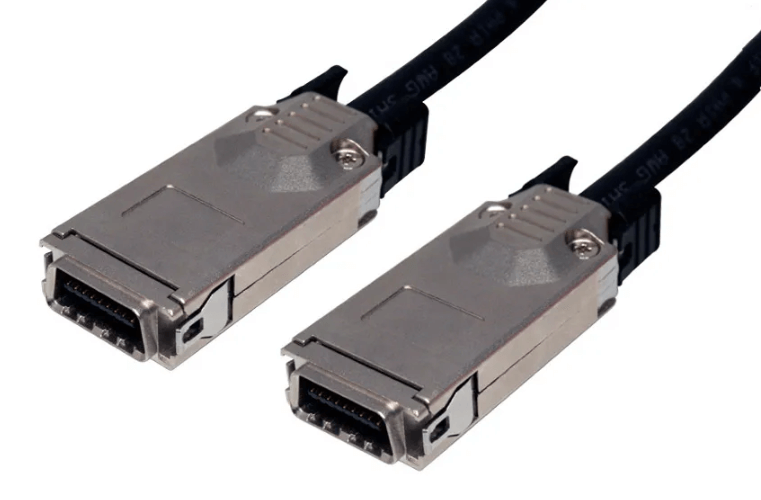
Passive copper cables perform reliably at short distances, particularly within the same rack or enclosure. As data rates increase, copper links experience higher attenuation, increased crosstalk, and greater susceptibility to electromagnetic interference. These effects reduce signal margins and can lead to instability when cable lengths exceed recommended limits for a given interface speed.
How Active Optical Cables Address Distance And Bandwidth
AOCs convert electrical signals to optical signals within the connector housing, allowing data to travel over fiber rather than copper conductors. Optical transmission significantly reduces attenuation and eliminates EMI sensitivity. This makes AOCs well suited for higher data rates and longer cable runs while preserving consistent lane performance across the full assembly length.
Signal Integrity And Latency Characteristics
Because optical fibers are immune to electrical noise, AOCs maintain cleaner signal edges and predictable timing behavior. This is especially important for multi lane interfaces operating at elevated frequencies. While AOCs contain active components, the latency added by optical conversion is minimal and typically negligible in enterprise networking and storage workloads.
Weight, Bend Radius, And Cable Management Benefits
Compared to equivalent copper assemblies, AOCs are thinner and lighter. Reduced cable weight improves rack handling and lowers mechanical stress on ports. Smaller diameters also simplify routing through dense cable paths and improve airflow within high density server and switch racks.
Common Deployment Scenarios
Active Optical Cables are commonly selected in the following environments:
-
Top of rack to end of row switch connections
-
Inter rack links exceeding copper distance limits
-
Storage fabrics requiring stable multi lane throughput
-
High performance computing clusters with dense cabling
Compatibility And Interface Support
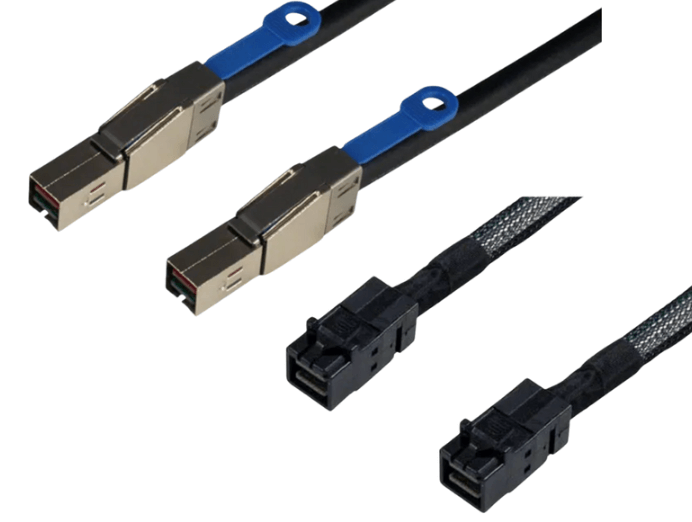
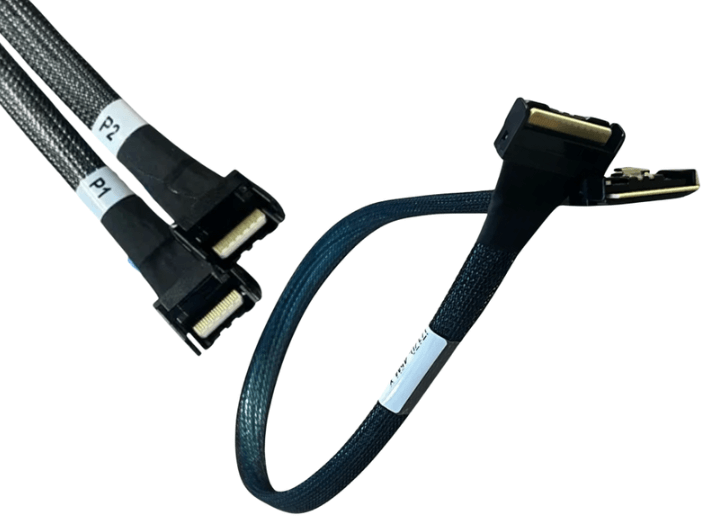
AOCs are available for a wide range of interfaces, including SFP+, SFP28, QSFP, QSFP28, and HD Mini SAS. They are designed to appear electrically compatible with standard ports, allowing seamless integration without additional transceivers or optical modules. Compatibility should always be verified against host port specifications and supported cable types.
When Copper Still Makes Sense
Copper links remain practical for short reach connections where cost sensitivity is high and signal margins are well within specification. Passive DAC cables are often preferred for intra rack connections or environments where cable lengths are minimal and EMI exposure is controlled.
FAQ (Frequently Asked Questions)
When is an Active Optical Cable required instead of copper?
When link distances or data rates exceed the reliable operating range of passive copper cables.
Do Active Optical Cables reduce electromagnetic interference issues?
Yes, optical transmission is immune to EMI, which improves stability in dense or noisy environments.
Are AOCs compatible with standard switch and server ports?
Yes, they use standard electrical connectors and are designed for direct port compatibility.
Do Active Optical Cables consume more power than copper?
They consume some power for optical conversion but often less than separate transceiver and fiber solutions.