SlimSAS 8i To SlimSAS 8i Cables For PCIe Gen4
SlimSAS 8i to SlimSAS 8i cables provide compact PCIe Gen4 connectivity for servers, storage systems, host adapters, and enterprise computing platforms.

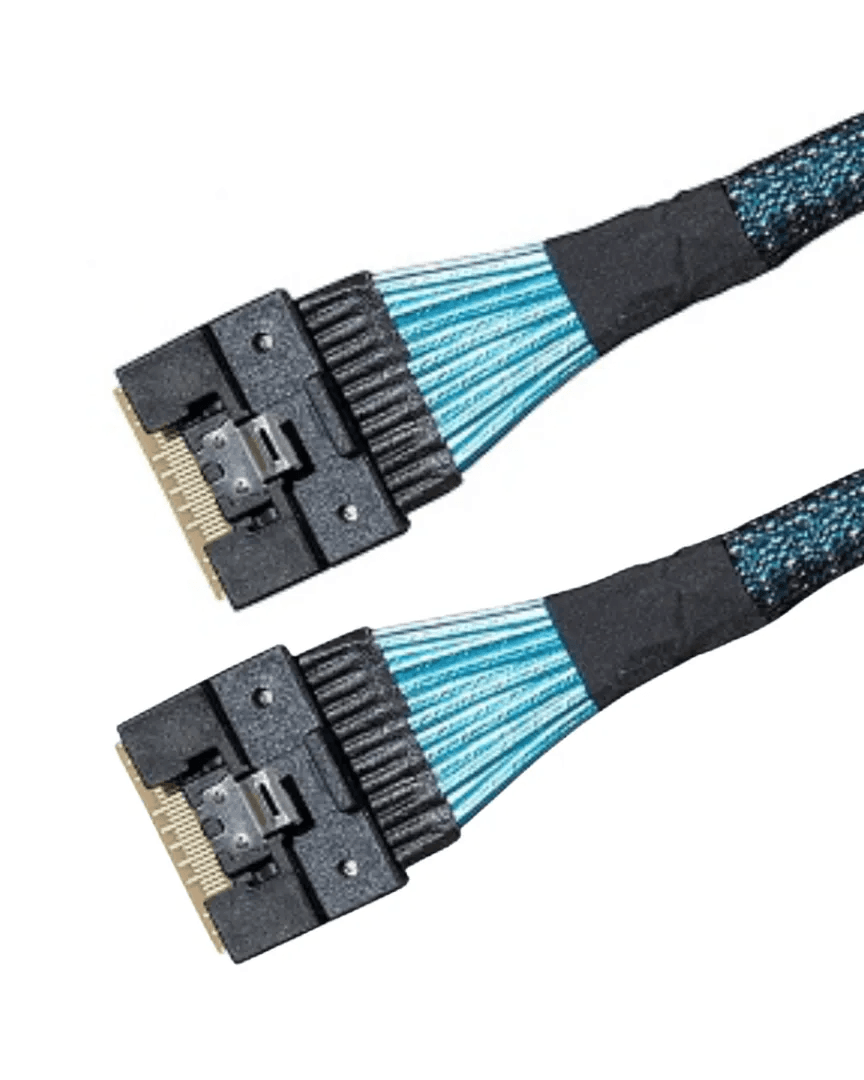
SlimSAS 8i to SlimSAS 8i cables provide compact PCIe Gen4 connectivity for servers, storage systems, host adapters, and enterprise computing platforms.
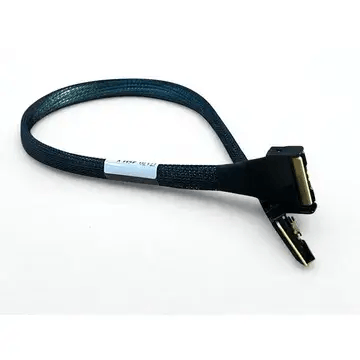
MCIO x8 to SlimSAS x8 cables enable PCIe Gen 5 connectivity in AI and enterprise platforms by maintaining signal integrity and high density interconnect design.
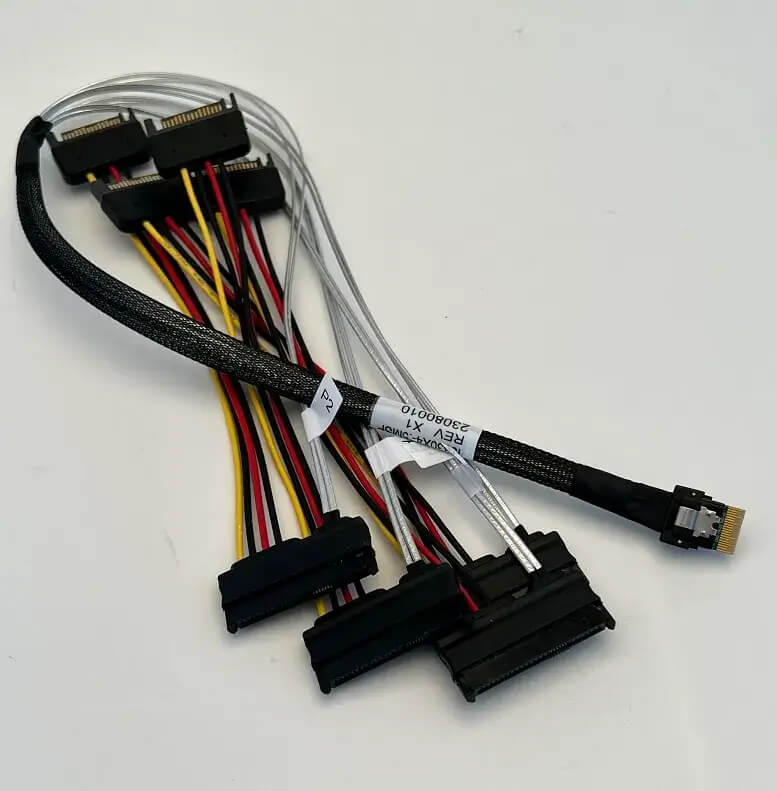
SlimSAS 4i SAS breakout cables enable direct attachment of four SAS drives while maintaining controlled signal integrity and stable power delivery in dense server environments.
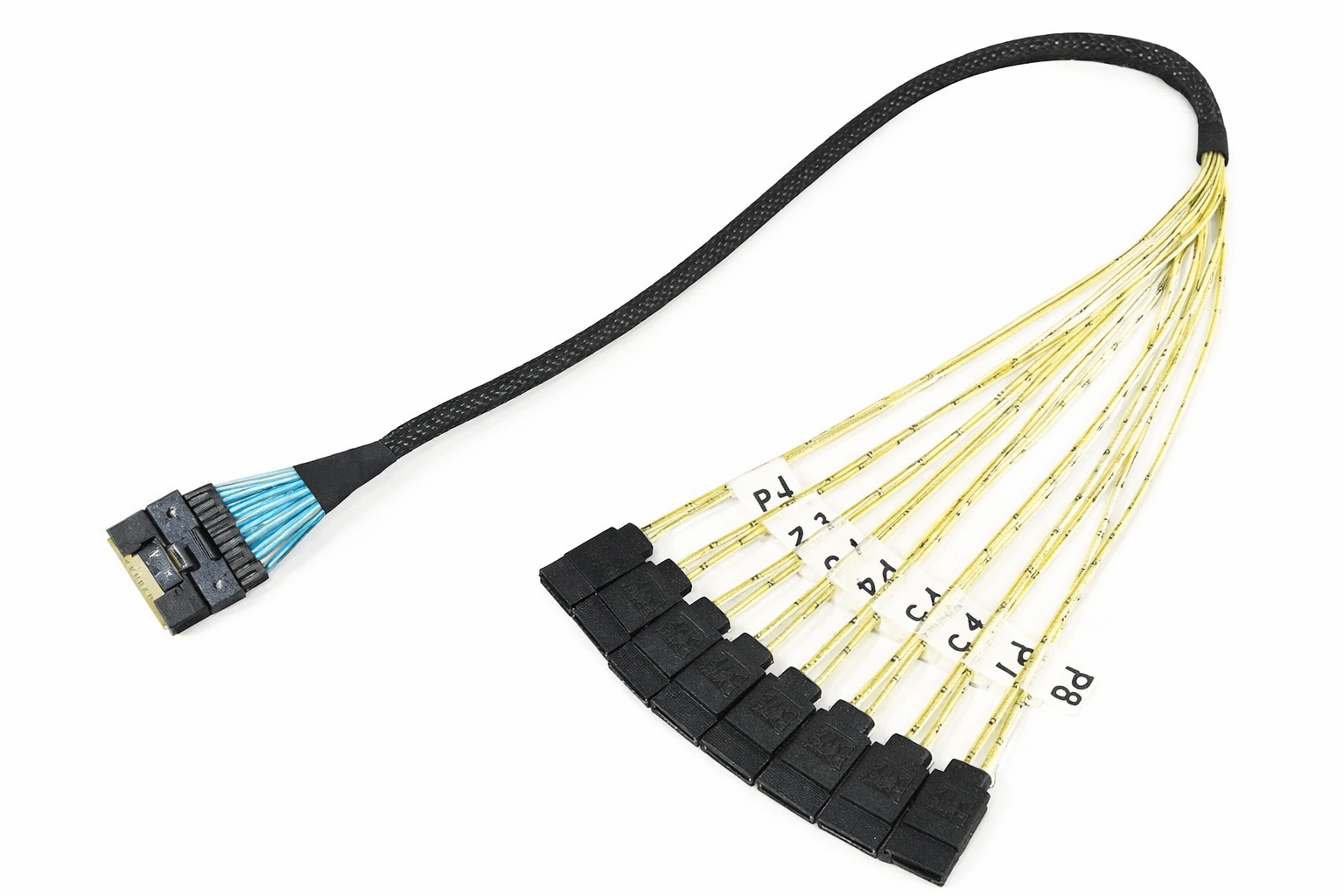
SlimSAS 8i breakout architecture allows multiple SATA drives to connect through a single high-density controller interface, enabling compact and scalable storage integration in modern server systems.
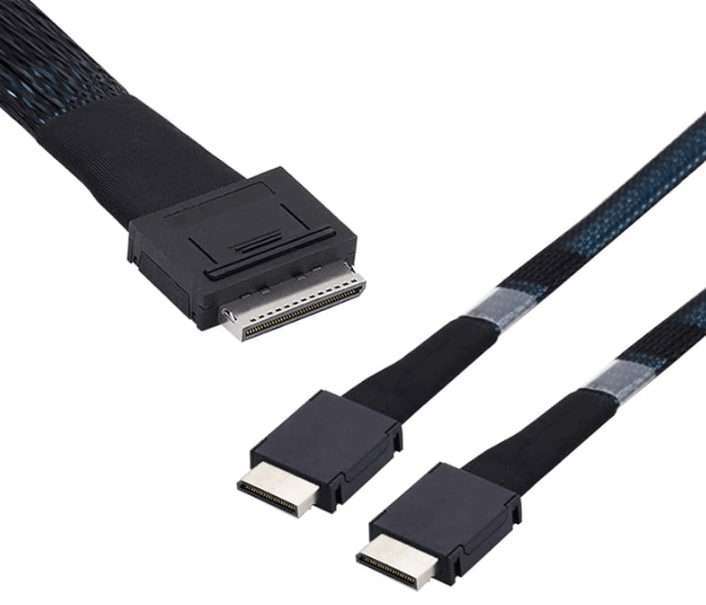
OCuLink 8x should be used instead of SlimSAS or MCIO when a high bandwidth build requires a dedicated x8 PCIe link with straightforward routing, stable signal integrity, and minimal deployment complexity.
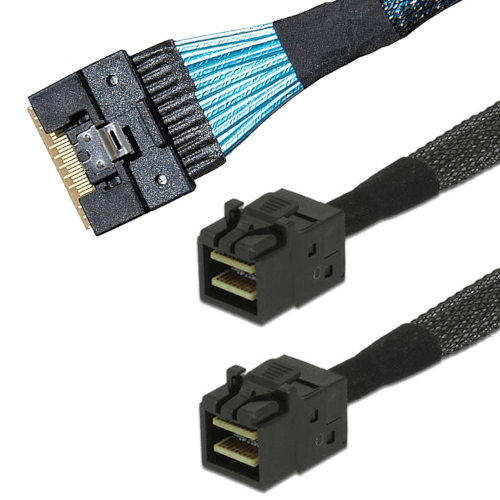
SlimSAS 8i to HD MiniSAS breakout cables enable enterprise servers to combine modern high-density host interfaces with existing backplanes, preserving bandwidth, signal integrity, and scalability during platform transitions.
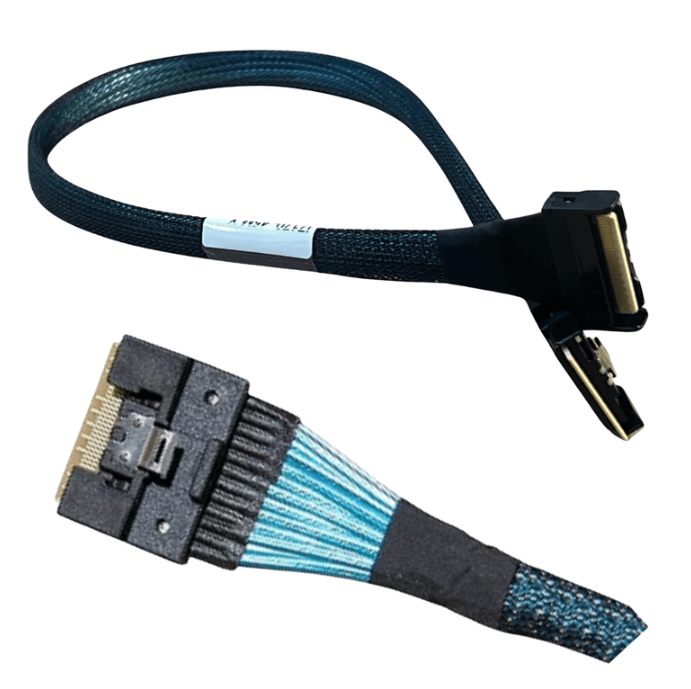
SlimSAS supports PCIe Gen 4.0 only when the host, backplane, cable, and routing are all designed for Gen 4 signaling, making cable selection and system verification critical to compatibility and performance.
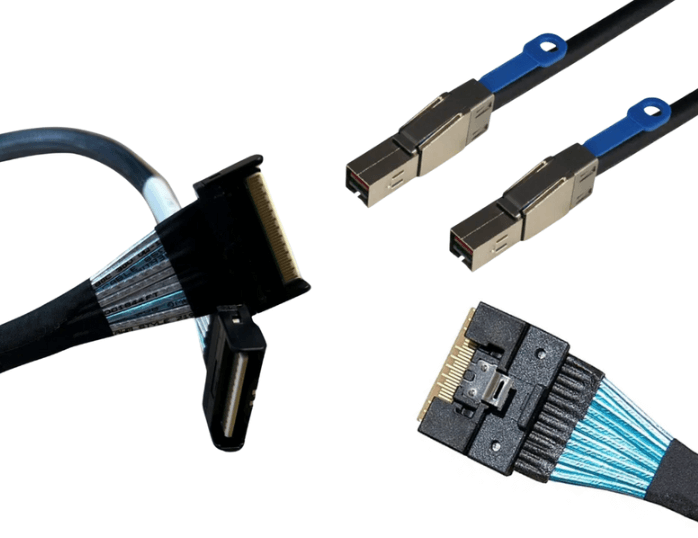
Building a future-proof PCIe 4.0 server requires selecting Gen 4 or Gen 5 rated cables, choosing scalable connector standards, keeping cable lengths short, optimizing routing and airflow, and validating firmware and signal integrity across the entire PCIe channel.
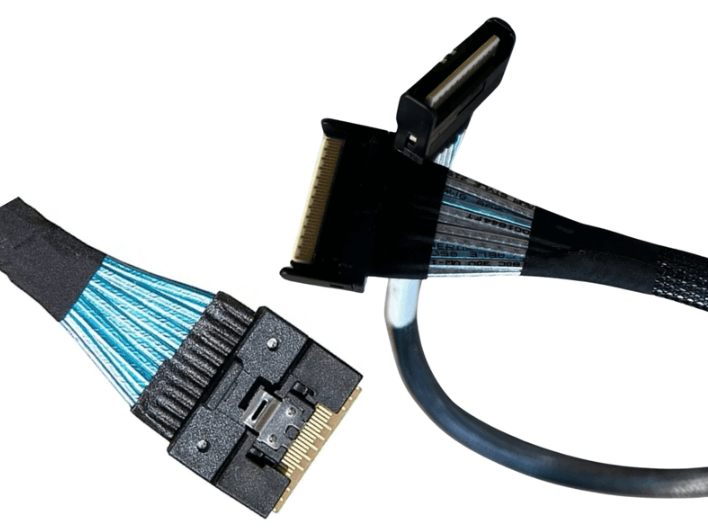
Before replacing a SlimSAS cable, troubleshoot connector seating, routing stress, compatibility, firmware configuration, and environmental factors, since many SlimSAS errors are caused by system issues rather than cable failure.
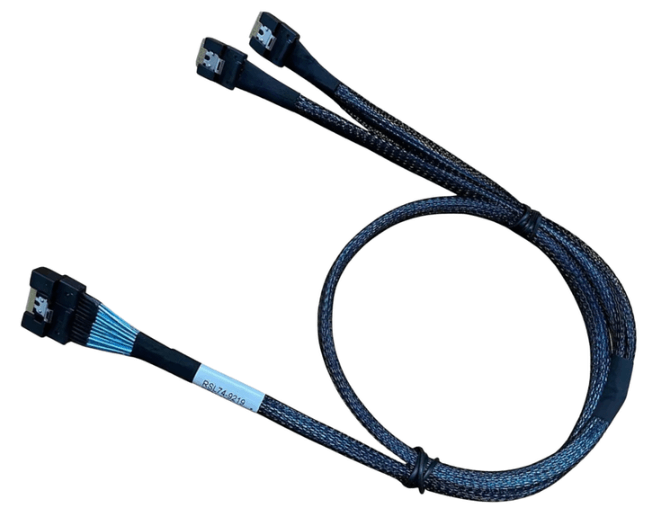
SlimSAS cables should be routed along chassis edges with short, gentle paths that avoid fans and heat sinks, preserving airflow while maintaining signal integrity at PCIe Gen 4 and Gen 5 speeds.