PCIe X16 Female To Dual MCIO 8i For Server Expansion
PCIe x16 female to dual MCIO 8i cable assemblies extend PCIe Gen5 connectivity for enterprise servers, storage platforms, and high density computing systems.

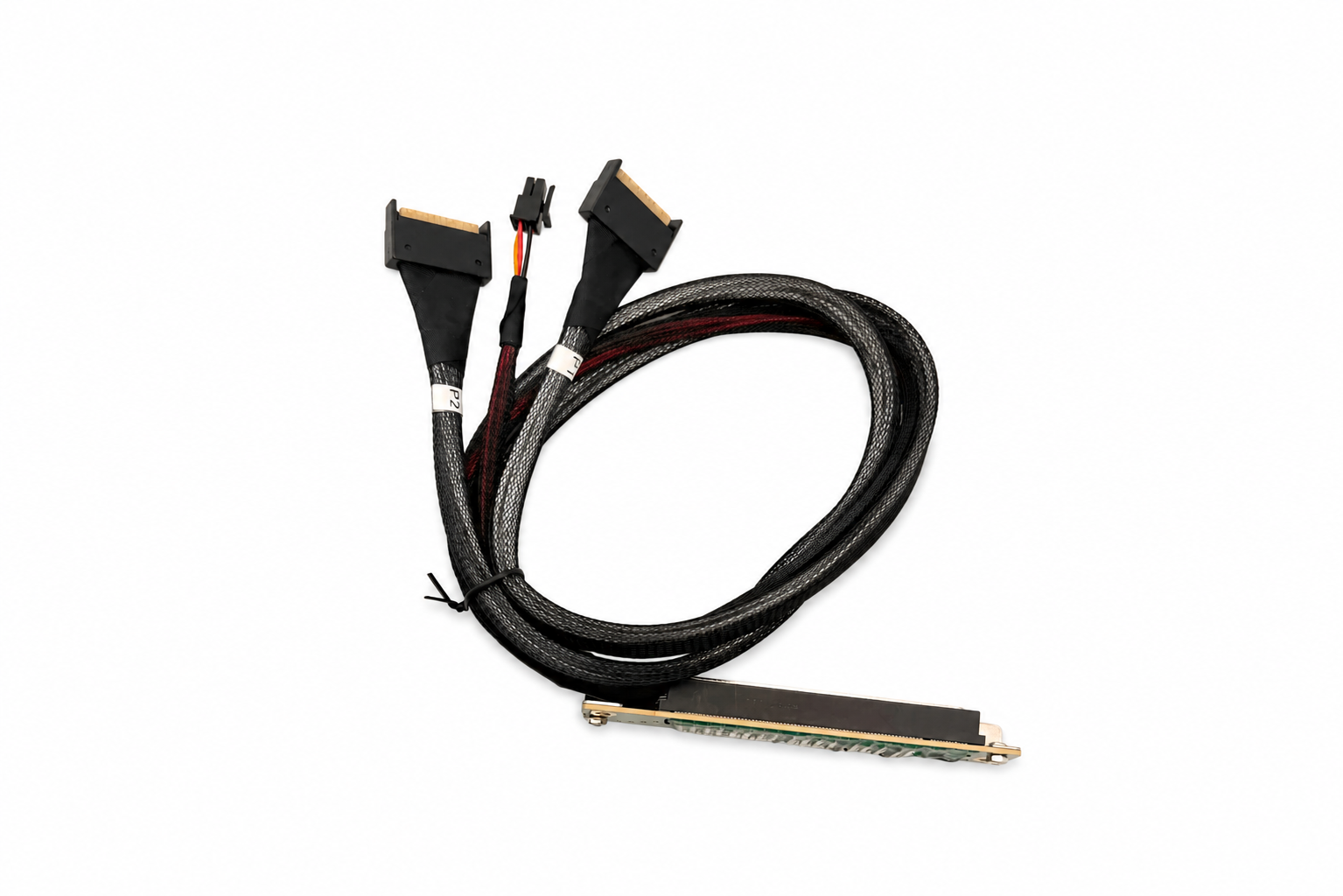
PCIe x16 female to dual MCIO 8i cable assemblies extend PCIe Gen5 connectivity for enterprise servers, storage platforms, and high density computing systems.
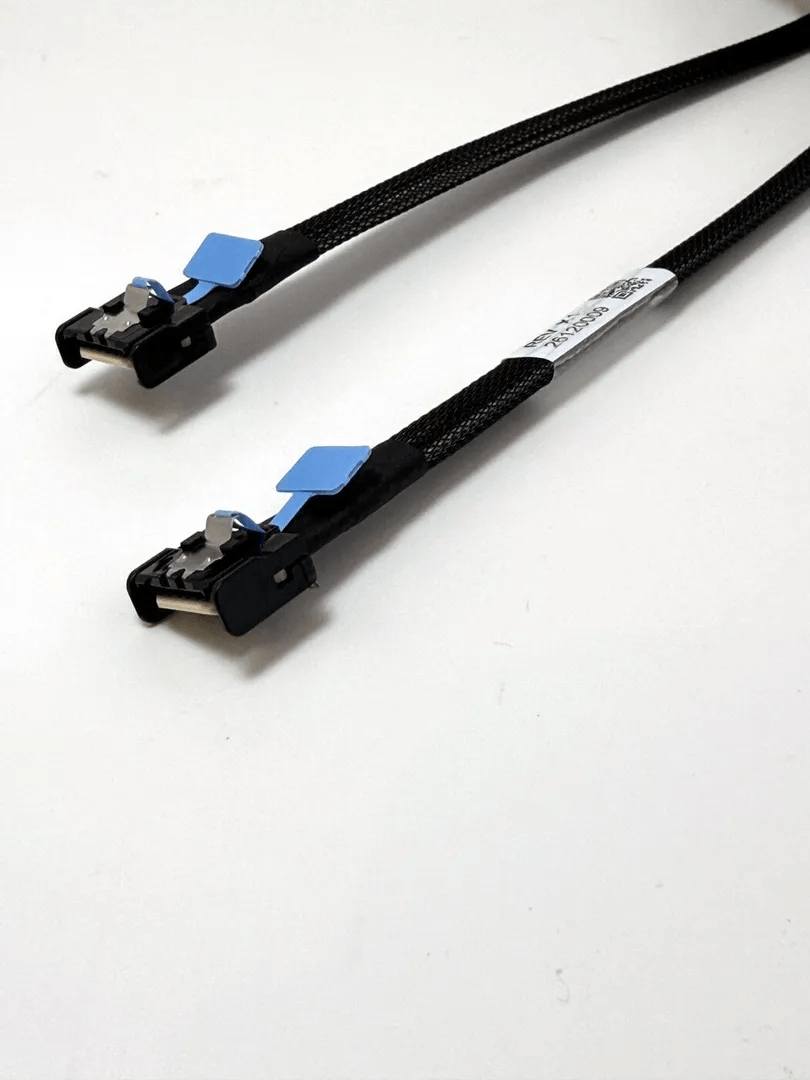
MCIO 4i connectivity supports compact four lane PCIe Gen4 and Gen5 links for servers, NVMe storage platforms, and high density computing systems.
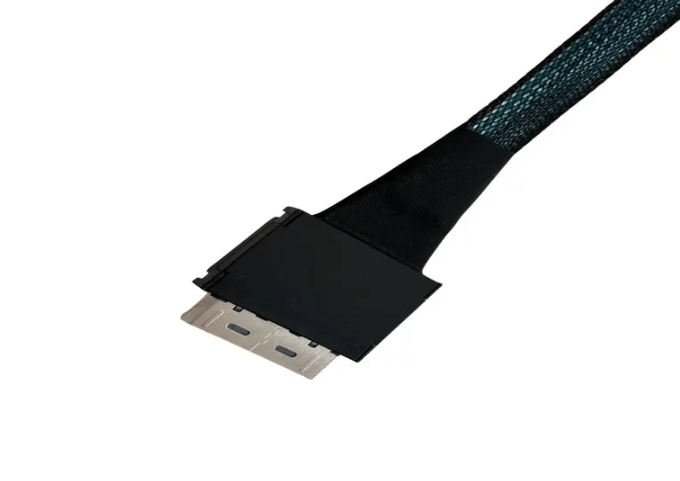
The I8080-M cable optimizes internal routing by combining compact OCuLink connectors, purpose selected lengths, and full x8 PCIe 5.0 signal integrity for clean, high throughput system builds.
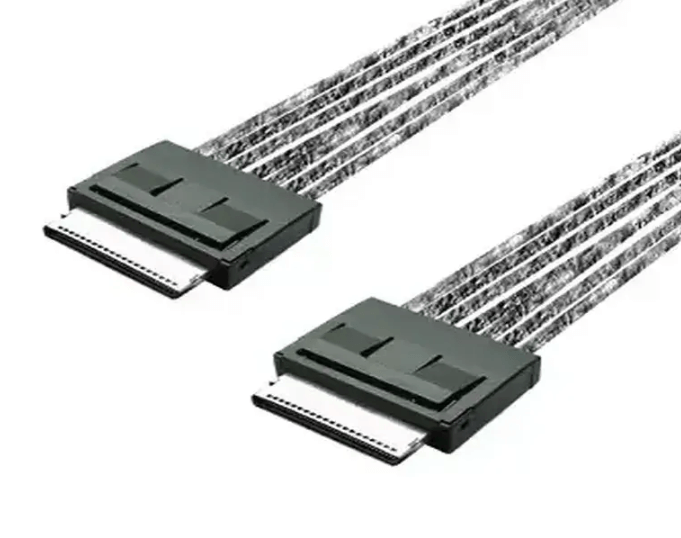
OCuLink 8x to 8x cables are critical for PCIe 5.0 expansion systems because they preserve full lane width, signal integrity, and predictable performance at very high data rates.
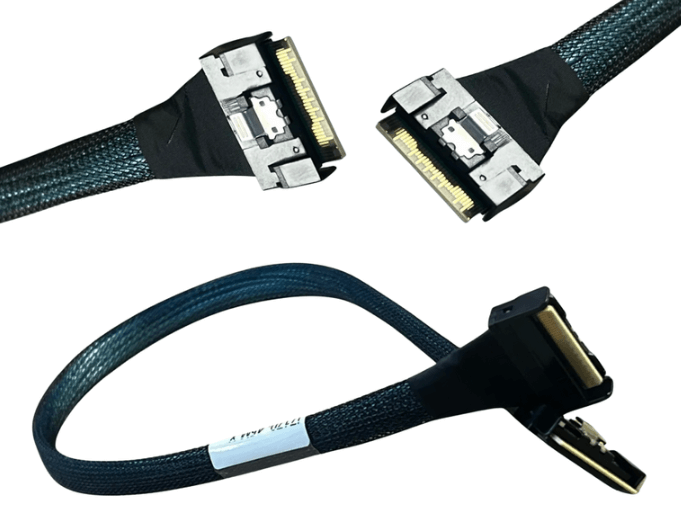
MCIO is positioned as the connector for PCIe Gen 5.0 and beyond because it delivers superior signal integrity, higher lane density, better thermal behavior, and the electrical headroom needed to support future PCIe generations.
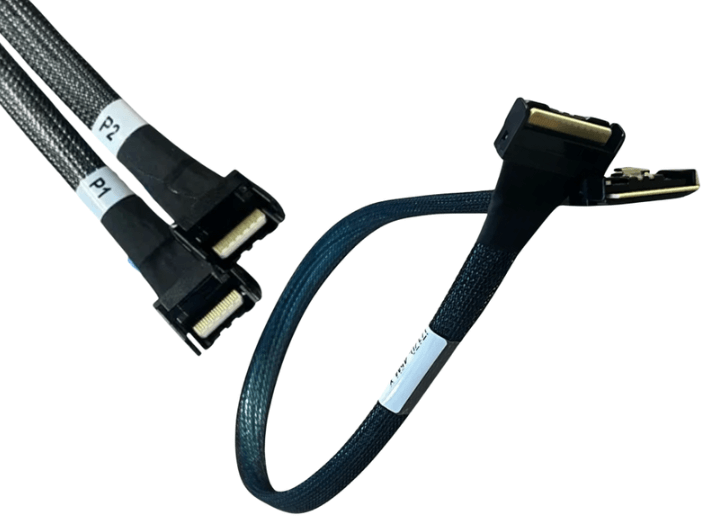
MCIO cable length limits depend on protocol, lane count, and environment, but for reliable PCIe Gen 4 operation passive runs are typically kept under 50 to 75 cm, while PCIe Gen 5 designs often require lengths under 40 cm or the use of retimers.
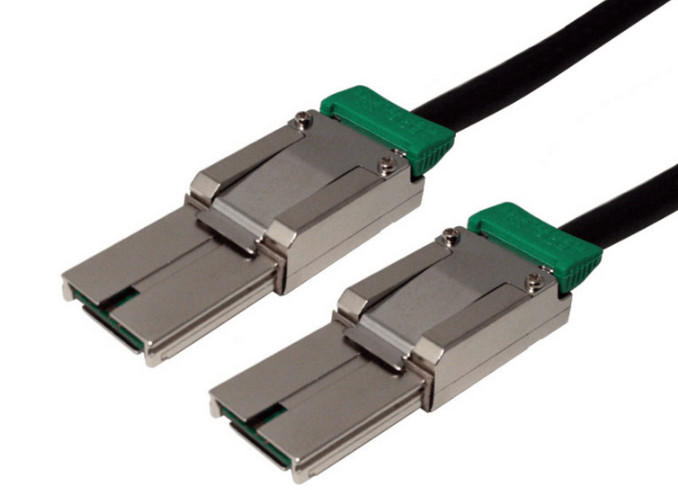
Insertion loss is the reduction of signal strength as data travels through a cable or connector, and in PCIe Gen 4 and Gen 5 systems, cable quality directly determines whether links remain stable, reach full speed, or fail under load.
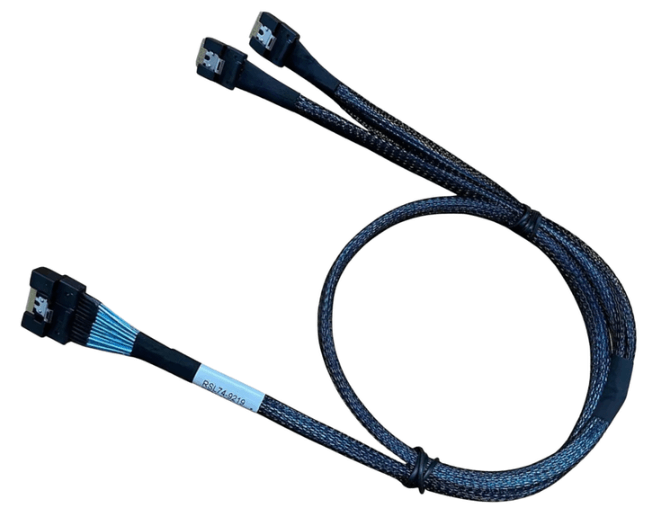
SlimSAS cables should be routed along chassis edges with short, gentle paths that avoid fans and heat sinks, preserving airflow while maintaining signal integrity at PCIe Gen 4 and Gen 5 speeds.
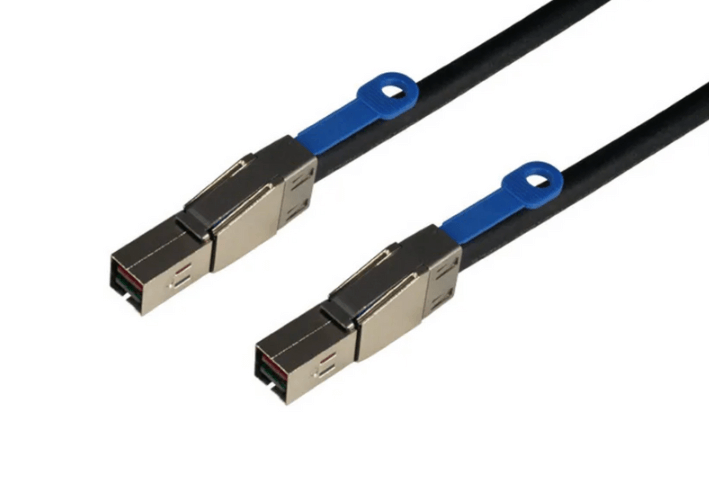
Preparing data storage infrastructure for PCIe Gen 5.0 requires selecting validated interconnects, tightening routing discipline, and planning for stricter signal integrity limits across the entire physical channel.
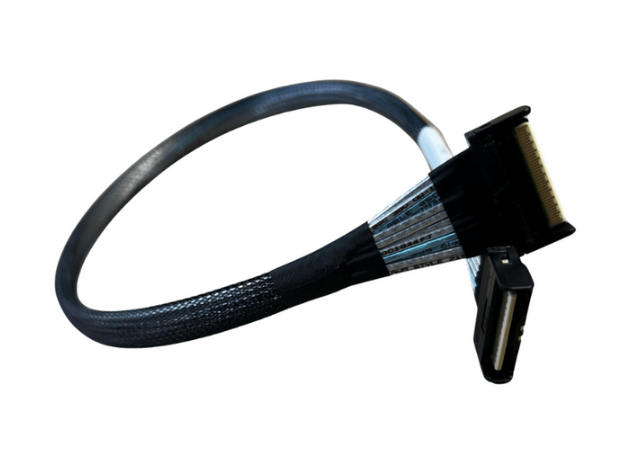
The most important specs for SAS 4.0 and PCIe Gen 5 cables are connector standard, protocol wiring, lane count, validated data rate, cable length, and construction quality, all of which directly affect signal integrity and reliability.