Naval Cable Assemblies: Beyond Component Qualification
A connector qualified for naval applications doesn’t establish compliance of the completed cable assembly. Cable construction, terminations, environmental interfaces, and installation conditions can introduce additional requirements beyond individual component specifications.
Component Qualification Versus Assembly Requirements
Qualified connectors and specified cable materials don’t automatically confer their individual ratings on the completed assembly.
For example, an environmentally sealed connector may require additional sealing provisions at the cable entry.
Assembly documentation should distinguish component requirements from those applying to the completed assembly, including any additional inspection or verification.
Environmental Interfaces and Terminations
Environmental performance can depend on interfaces created during assembly, including cable entries, backshells, shield terminations, and material transitions.
Requirements may address:
- Cable dimensions and sealing hardware compatibility.
- Environmental protection at terminations.
- Material and finish compatibility.
- Shield termination and grounding.
- Workmanship and acceptance criteria.
These details should be defined in the approved assembly configuration rather than inferred from connector qualification.
Installation Conditions and Acceptance
An assembly meeting manufacturing acceptance criteria may require separate evaluation for its intended installation.
Equipment interfaces, cable support, routing, and environmental exposure can affect installed performance.
Specifications should distinguish, where applicable:
- Assembly-level inspection and acceptance.
- Environmental qualification of the completed assembly.
- Equipment- or system-level verification after installation.
The applicable drawings, specifications, and contract determine the required verification scope.
Changes to Qualified Configurations
Changes to cable construction, termination hardware, connector accessories, or approved materials can affect the basis on which an assembly was evaluated.
For controlled naval applications, component-level equivalence alone may not establish an acceptable substitution.
Documentation should identify the affected configuration and any additional inspection, testing, or customer approval required before implementation.
Custom Naval Cable Assemblies at TMC
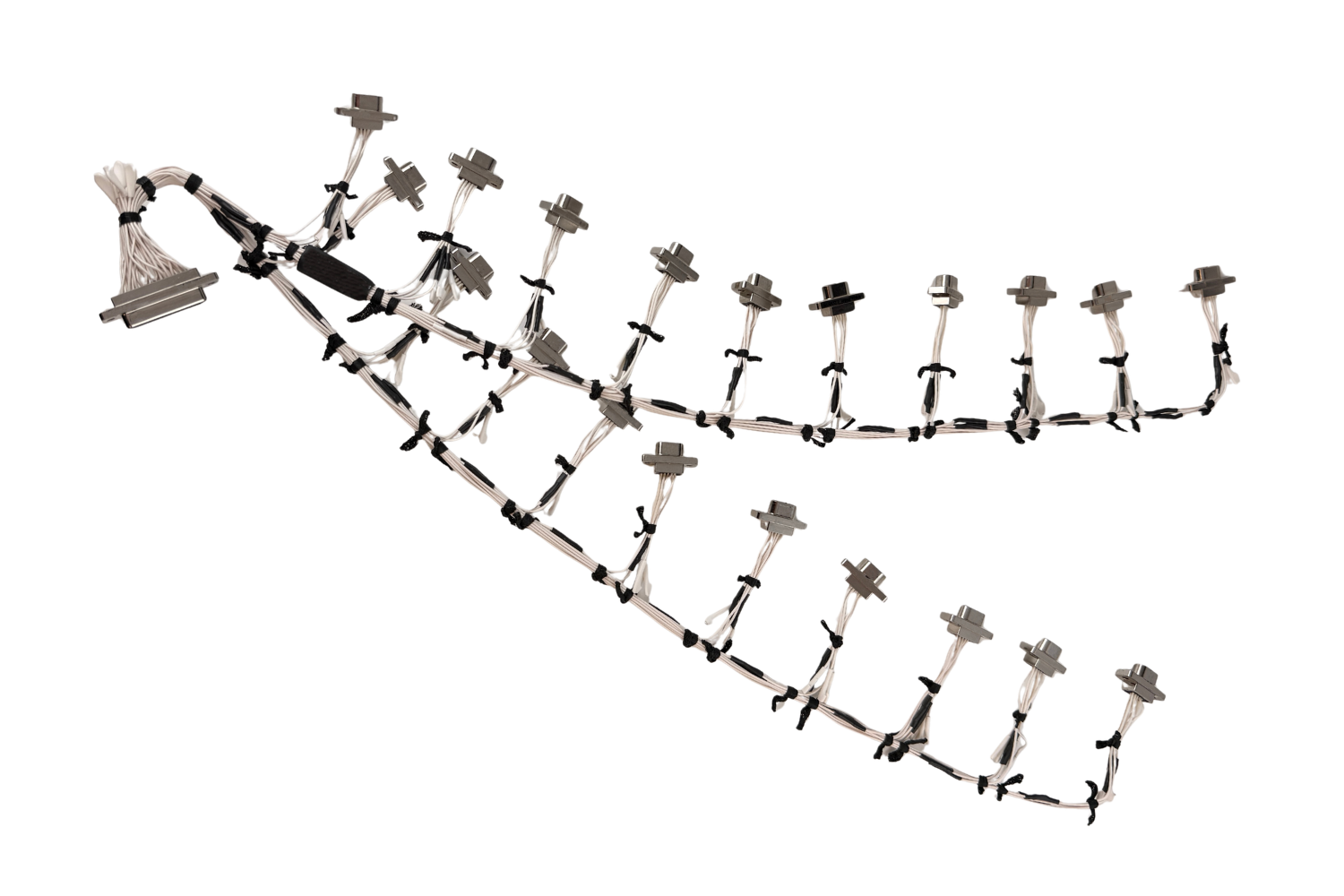
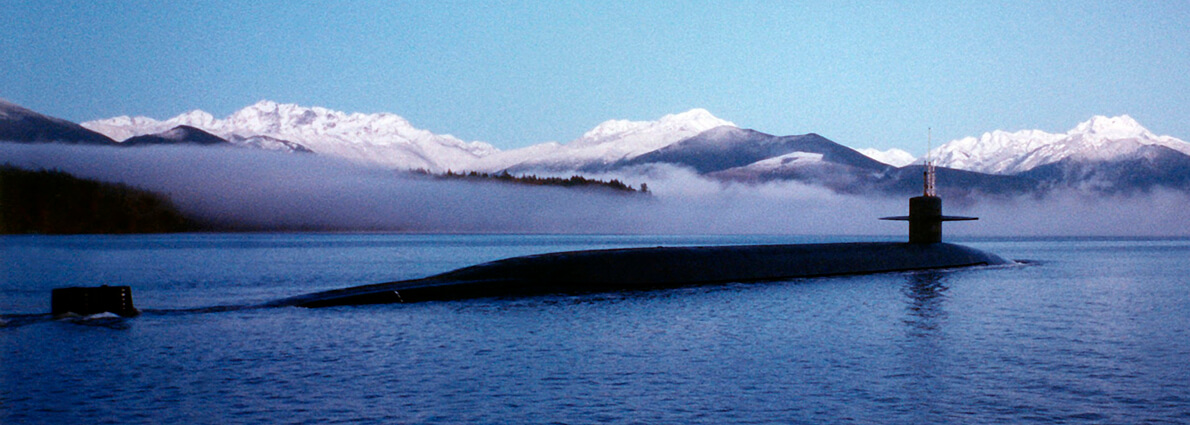
TMC–The Mate Company manufactures custom cable assemblies and wire harnesses for military and aerospace applications, including shipboard and submarine equipment.
Its military and aerospace manufacturing capabilities include assemblies using MIL-DTL-38999, MIL-DTL-5015, and MIL-DTL-28840 connector families.
Sourcing custom cable assemblies for naval equipment? Request a quote from TMC with your drawings, specifications, qualification requirements, quantities, and delivery schedule