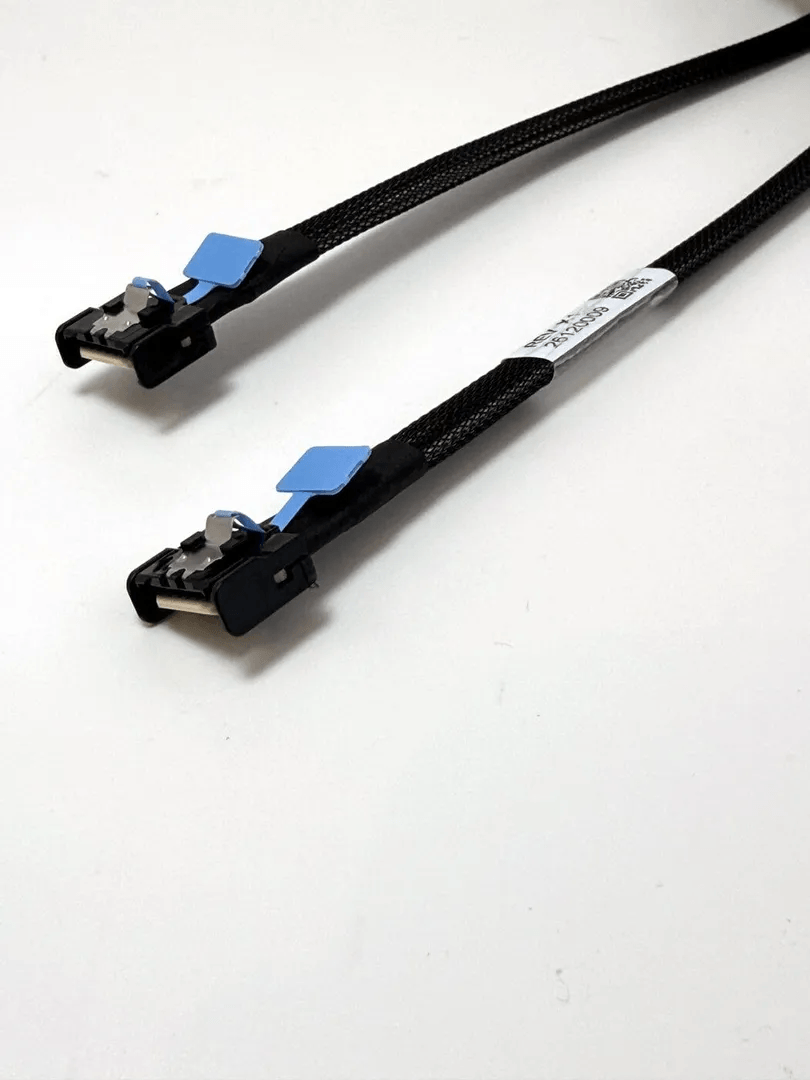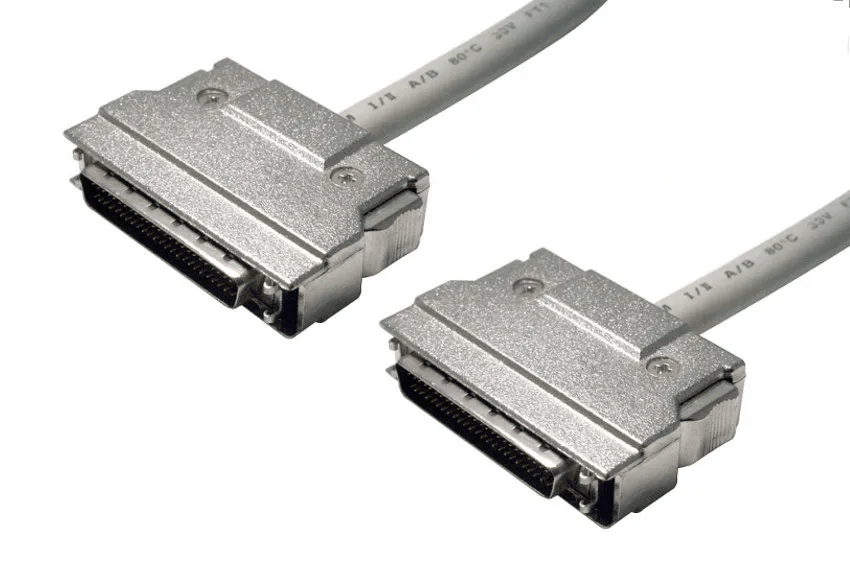
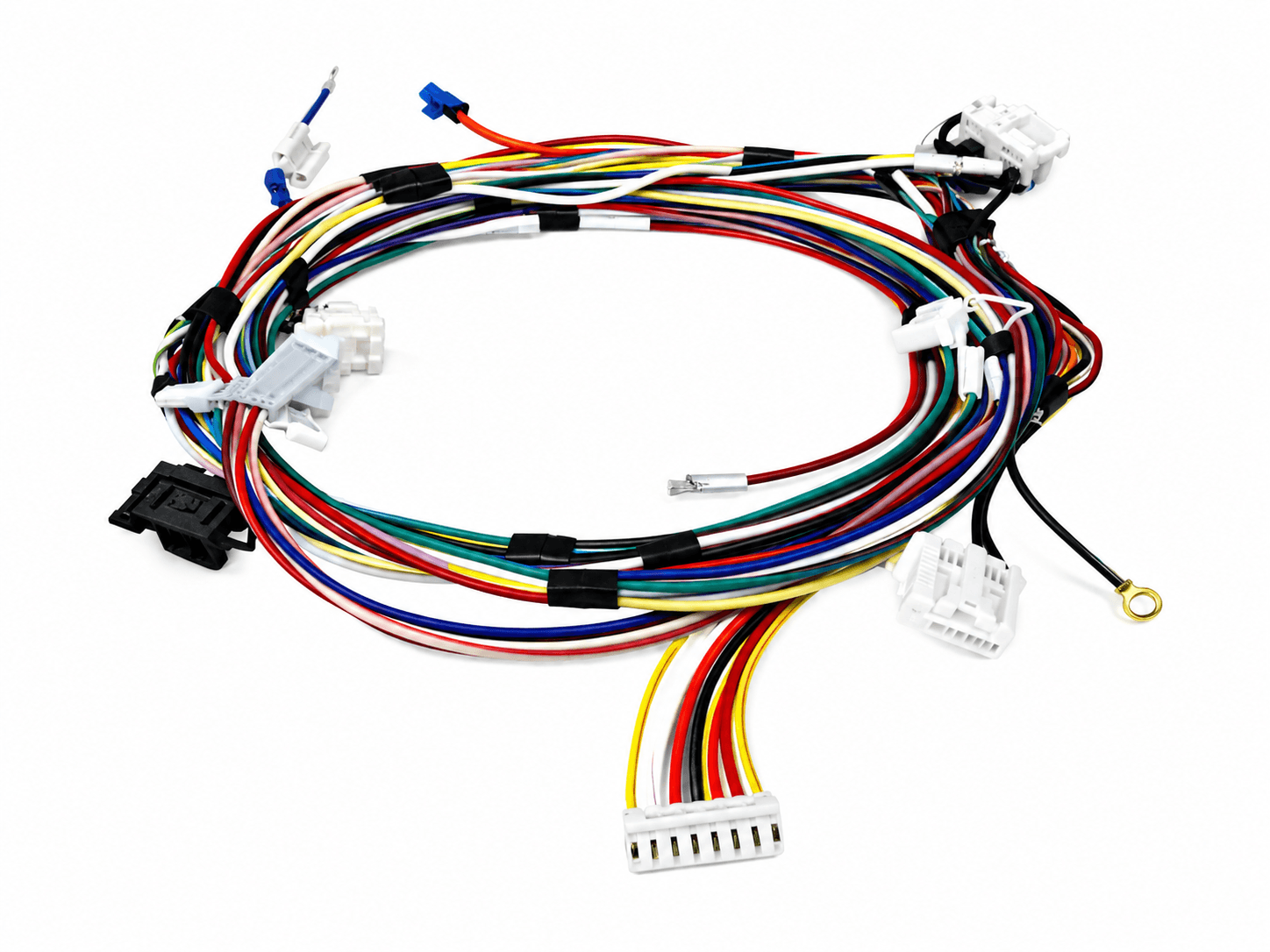
Build-to-Print Cable Assemblies
Even with an established design, build-to-print cable assembly projects can encounter delays when documentation is incomplete, component requirements are unclear, or revisions are inconsistent.
For aerospace and defense contractors, addressing these issues before releasing an RFQ can reduce clarification cycles, sourcing complications, and production delays.
Drawing and BOM Discrepancies
A mismatch between assembly drawings and the bill of materials (BOM) can delay quotation while the manufacturer seeks clarification.
Common issues include:
- Drawing and BOM revision levels that don’t match.
- Connector part numbers that differ between documents.
- Missing backshells, contacts, or other required components.
- Incomplete pinouts, wire assignments, or termination details.
- Dimensions or connector orientations that aren’t clearly defined.
Before issuing an RFQ, confirm that all referenced documents reflect the intended assembly configuration.
Component Availability and Approved Substitutions
Specified components may have extended lead times, become obsolete, or be unavailable in the required quantities.
These problems are easier to address when the RFQ establishes:
- Approved manufacturers and part numbers.
- Whether alternate components are permitted.
- Who has authority to approve substitutions.
- Any documentation required for approved changes.
For assemblies with anticipated repeat orders, component availability should be considered alongside the initial production requirements.
Inspection and Acceptance Requirements
A drawing may define how an assembly is constructed without fully specifying how it must be inspected or accepted.
For example, an RFQ may reference electrical testing without identifying the applicable test procedure or acceptance criteria.
Requirements worth clarifying include:
- Applicable workmanship standards and revisions.
- Inspection and electrical testing requirements.
- Customer-specific acceptance criteria.
- Required inspection or test documentation.
- First article inspection requirements, where applicable.
IPC/WHMA-A-620 provides requirements and acceptance criteria for cable and wire harness assemblies. The applicable revision, classification, and any additional contractual requirements should be clearly identified.
Establishing these requirements before quotation helps define the manufacturing and inspection scope.
Revision Control Between RFQ and Production
Engineering changes introduced after quotation can affect material procurement, assembly procedures, pricing, and delivery schedules.
A controlled handoff should establish:
- The drawing and BOM revisions governing the quotation.
- How subsequent engineering changes will be communicated.
- Whether changes require a revised quotation or production approval.
- How the approved configuration will be maintained across repeat orders.
Clear revision control helps prevent outdated specifications from carrying forward into production.
Traceability and Documentation Requirements
Aerospace and defense contracts may require documentation beyond the completed assembly itself.
Depending on the project, requirements may include:
- Material certifications or certificates of conformity.
- Component identification and lot traceability.
- Inspection and test records.
- First article inspection documentation.
- Special labeling, packaging, or record retention.
These requirements should be identified during the RFQ process rather than introduced after production begins.
AS9100D establishes quality management system requirements for aviation, space, and defense organizations. Certification supports a structured quality management framework but does not replace the product-specific requirements established by drawings, specifications, and contracts.
Preparing a More Effective Build-to-Print RFQ
Before submitting an RFQ, confirm that the documentation package includes:
- Current assembly drawings and BOM revisions.
- Complete component and termination specifications.
- Approved substitution requirements.
- Applicable workmanship and inspection criteria.
- Traceability and documentation requirements.
- Requested quantities and delivery schedules.
A complete, consistent RFQ helps manufacturers assess requirements accurately and identify potential issues before they affect production.
Custom Cable Assembly Manufacturing at TMC
TMC–The Mate Company manufactures custom cable assemblies and wire harnesses for commercial, military, and aerospace applications.
Its military and aerospace manufacturing capabilities include MIL-SPEC internal wire harnesses, external shielded cable assemblies, and assemblies incorporating military connector families.
TMC’s quality management system is certified to ISO 9001:2015 and AS9100D for the manufacture and assembly of cable assemblies and harnesses within its stated certification scope.
Sourcing a build-to-print cable assembly manufacturer? Request a quote from TMC with your drawings, specifications, quantities, and delivery requirements.