Maintaining Legacy SAN Infrastructure With HSSDC2
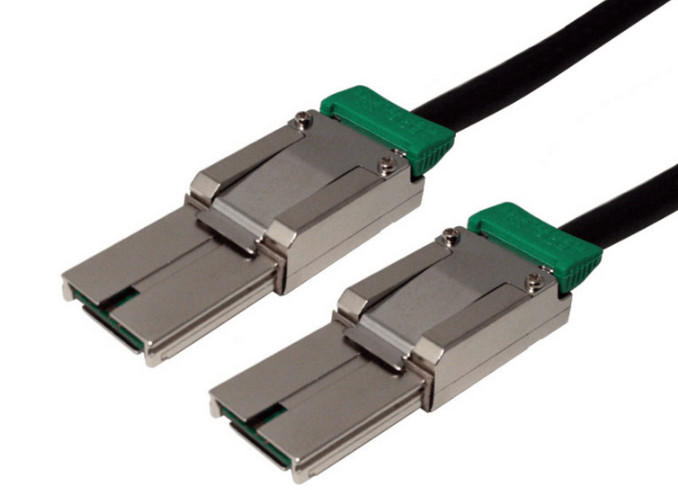
Storage Area Networks (SANs) often remain in service long after newer technologies become available. In many enterprise environments, legacy Fibre Channel hardware continues to support critical applications, archival systems, and long-term data retention platforms. HSSDC2, High Speed Serial Data Connector 2, remains an important component within these installations, providing the physical connectivity required to maintain communication between storage devices, RAID systems, and Fibre Channel infrastructure.
Understanding HSSDC2 in Legacy SAN Environments
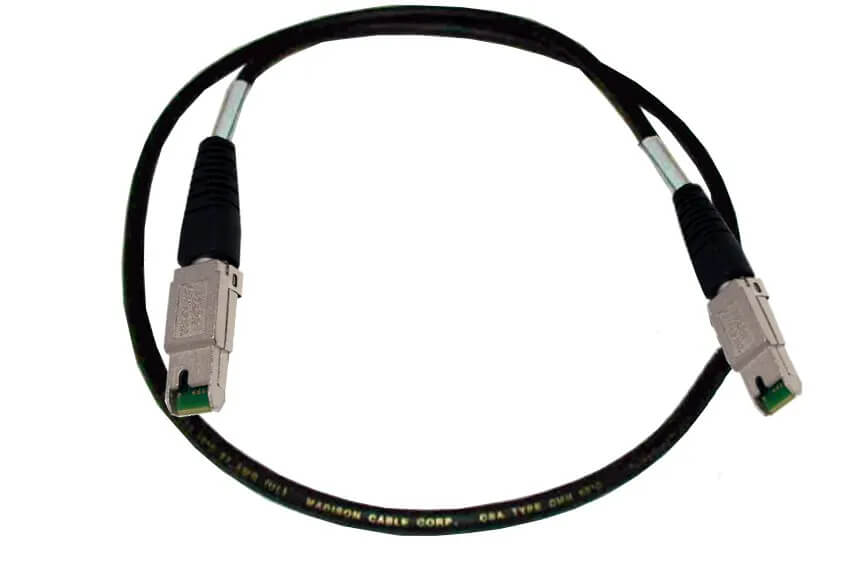
HSSDC2 connectors were widely used during the early adoption of Fibre Channel networking. Their compact design and shielded construction made them suitable for external storage connections where reliable signal transmission was essential.
Common systems utilizing HSSDC2 include:
- Fibre Channel storage arrays
- RAID enclosures
- Tape backup libraries
- Host bus adapters
- SAN switches
- Enterprise archival platforms
Although modern deployments have largely transitioned to optical transceivers and newer connector standards, many organizations continue operating hardware built around HSSDC2 connectivity.
Challenges of Maintaining Legacy SAN Systems
Legacy infrastructure introduces unique operational considerations. Components may remain fully functional, but replacement parts and compatible accessories can become increasingly difficult to source over time.
Organizations maintaining older SAN environments frequently encounter:
- Aging cable assemblies
- Connector wear
- Limited hardware replacement options
- Compatibility concerns during upgrades
- Documentation gaps from older deployments
Proper infrastructure management helps minimize disruption and extend system lifespan.
Cable Integrity and Performance
The physical layer remains critical to Fibre Channel reliability. Damaged connectors, excessive cable stress, or degraded shielding can introduce communication issues that affect storage performance.
Connector Inspection
Routine visual inspection can identify bent contacts, damaged retention mechanisms, or signs of excessive wear before failures occur.
Shielding Preservation
HSSDC2 cable assemblies rely on shielding to reduce interference from adjacent equipment. Maintaining cable condition helps preserve signal quality throughout the storage network.
Cable Routing
Proper routing practices reduce strain on connectors and help prevent premature cable failure.
Recommended practices include:
- Avoid sharp cable bends
- Minimize cable tension
- Secure cables properly
- Protect cables from physical damage
- Maintain clear airflow paths
Supporting Long-Term Storage Operations
Many legacy SAN environments remain operational because replacing them would require extensive validation, migration planning, and application testing. Industries such as healthcare, manufacturing, government, and finance often maintain older storage platforms for extended periods.
HSSDC2 connectivity may still be found in:
- Data archives
- Backup repositories
- Compliance storage systems
- Industrial control environments
- Long-term records management platforms
Reliable cabling plays a significant role in supporting these systems.
Planning for Future Maintenance
Even when legacy infrastructure remains stable, maintenance planning is important. Organizations should identify critical connectivity components and maintain replacement inventories when possible.
Areas to evaluate include:
- Spare cable availability
- Hardware compatibility documentation
- SAN topology records
- Connector condition assessments
- Lifecycle planning for storage equipment
Proactive maintenance can reduce downtime and simplify future support efforts.
Best Practices for HSSDC2 SAN Maintenance
To maximize reliability within legacy Fibre Channel environments:
- Inspect cables regularly
- Replace damaged assemblies promptly
- Verify connector seating during maintenance
- Document infrastructure changes
- Maintain compatible spare components
- Monitor storage system performance trends
These practices help preserve stable operation and reduce unexpected connectivity issues.
FAQ (Frequently Asked Questions)
What is HSSDC2 used for in SAN environments?
HSSDC2 provides external Fibre Channel connectivity between storage systems, RAID hardware, switches, and related infrastructure.
Why do some organizations still use HSSDC2?
Many legacy storage platforms remain operational due to long service lifecycles, software dependencies, and regulatory retention requirements.
Can damaged HSSDC2 cables affect storage performance?
Yes. Physical cable damage or connector degradation can introduce communication errors and impact Fibre Channel reliability.
What should be inspected during SAN maintenance?
Administrators should examine cable condition, connector integrity, routing practices, and overall storage connectivity health.