HSSDC2 to HSSDC2 Cables: Use Cases in Fibre Channel Storage Connectivity
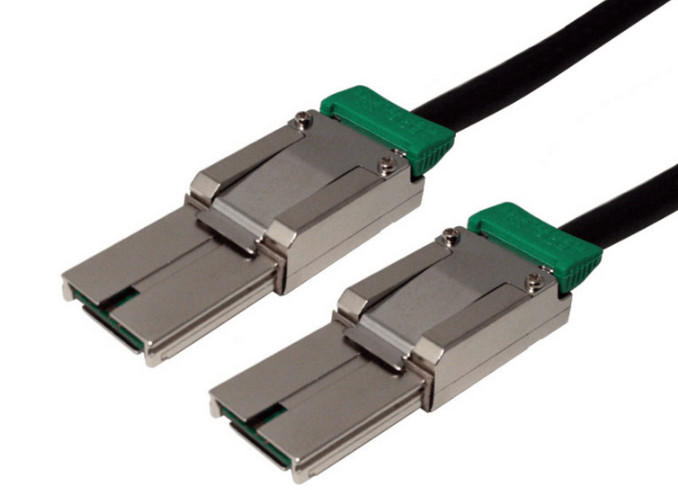
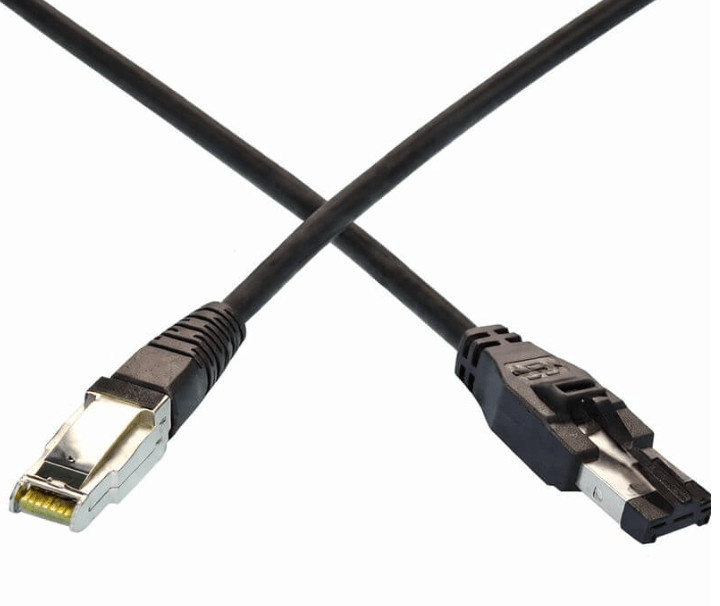
HSSDC2 to HSSDC2 cables are used in Fibre Channel storage environments that depend on compact, copper-based interconnects for short-reach, high-reliability links. These assemblies were widely adopted in enterprise SAN hardware to deliver stable multi-gigabit performance where port density, predictable latency, and controlled routing were required. They continue to appear in long-lifecycle systems that remain in active production.
Why HSSDC2 Interfaces are Used in Fibre Channel Systems
HSSDC2 connectors were designed for high-speed serial transmission in space-constrained layouts. Their small footprint enabled higher port density on storage controllers and SAN modules compared to larger legacy connectors. In Fibre Channel deployments, this allowed vendors to build dense controller cards and disk arrays without increasing chassis size or compromising airflow.
Performance and Signal Integrity Characteristics
HSSDC2 to HSSDC2 cables are engineered with controlled impedance and effective shielding to support stable Fibre Channel signaling over copper. These characteristics help minimize crosstalk and signal degradation in electrically dense racks, maintaining consistent link behavior that Fibre Channel environments depend on for deterministic performance.
Short-Reach Fibre Channel Applications
Copper HSSDC2 cabling is typically selected for short-distance connections where optical transceivers are unnecessary. Common scenarios include links within the same rack or between adjacent enclosures, where low latency and straightforward deployment are preferred. In these cases, copper cabling provides reliable performance without the added complexity of optical components.
Common Use Cases in SAN and Storage Environments
HSSDC2 to HSSDC2 cables are commonly found in:
-
legacy Fibre Channel SAN installations
-
storage controller to expansion module connections
-
enterprise disk arrays using copper Fibre Channel links
-
data-center environments maintaining established SAN infrastructure
These use cases allow organizations to preserve proven architectures while continuing normal operations.
Installation and Best Practice Considerations
Proper connector seating and careful routing are essential for maintaining signal quality. Installers should avoid sharp bends, respect minimum bend radius guidelines, and select appropriate cable lengths to reduce insertion loss. Routing copper cables away from high-power electrical paths further helps preserve Fibre Channel link stability.
The Ongoing Role of HSSDC2 in Fibre Channel Deployments
Although modern Fibre Channel designs largely rely on SFP-based optical connectivity, HSSDC2 to HSSDC2 cables remain relevant where hardware refresh cycles are long and system stability is prioritized. They provide dependable connectivity for legacy SAN platforms that continue to deliver business-critical storage services.
FAQ (Frequently Asked Questions)
What is an HSSDC2 to HSSDC2 cable used for?
It connects Fibre Channel devices that use HSSDC2 interfaces, typically in legacy SAN and enterprise storage systems.
Are HSSDC2 cables still used today?
Yes. They remain in service within long-lifecycle Fibre Channel installations and older enterprise storage platforms.
Do HSSDC2 cables support optical Fibre Channel?
No. HSSDC2 to HSSDC2 cables are copper assemblies intended for short-reach Fibre Channel links.
Where are these cables typically installed?
They are commonly installed in data centers, SAN environments, and enterprise storage systems using HSSDC2-based hardware.