Why Do HD Mini SAS External Internal Cables Matter In Enterprise Storage Connectivity
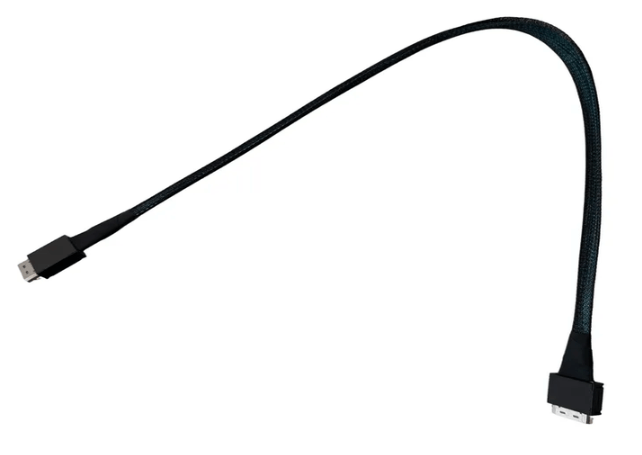
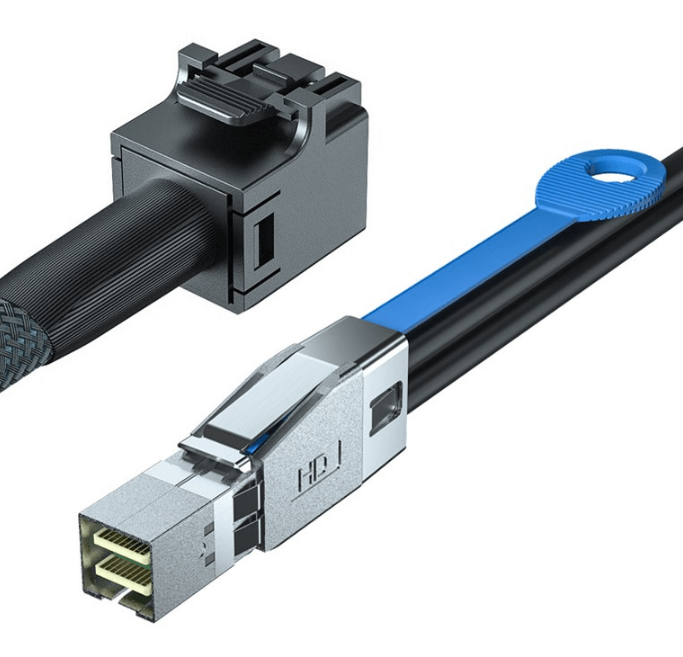
HD Mini SAS external–internal cables play a key role in enterprise storage environments by bridging internal controllers with external storage enclosures. Using SFF-8643 connectors inside the chassis and SFF-8644 connectors for external links, these cables enable scalable storage architectures while maintaining reliable SAS signaling, predictable throughput, and stable system integration.
Enabling Scalable Storage Expansion
One of the primary reasons HD Mini SAS external-internal cables are important is their role in storage expansion. They allow systems to grow beyond the physical limits of a single server chassis.
These cables make it possible to:
-
Connect internal RAID controllers or HBAs to external JBOD enclosures
-
Add storage capacity without redesigning the host system
-
Maintain modular, expandable storage architectures
This flexibility is essential in enterprise environments where storage demands evolve over time.
Maintaining Reliable SAS Performance Across Boundaries
HD Mini SAS external-internal assemblies are designed to preserve signal integrity as data moves between internal and external components.
Key performance characteristics include:
-
Controlled impedance across multiple SAS lanes
-
Effective shielding to reduce noise and interference
-
Consistent latency and low error rates
These qualities help ensure stable operation in dense data center environments where electrical activity is high.
Supporting Mixed Internal and External Connector Requirements
Enterprise storage systems often require different connector types for internal and external routing.
HD Mini SAS external–internal cables address this by combining:
-
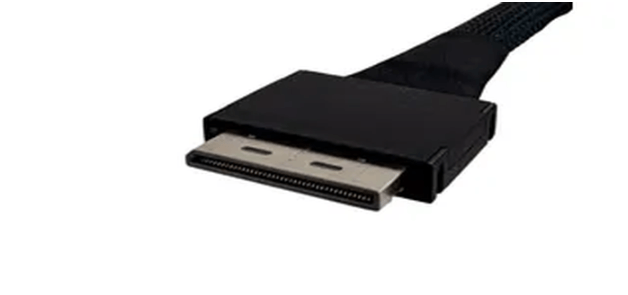
SFF-8643 connectors optimized for internal chassis routing
-
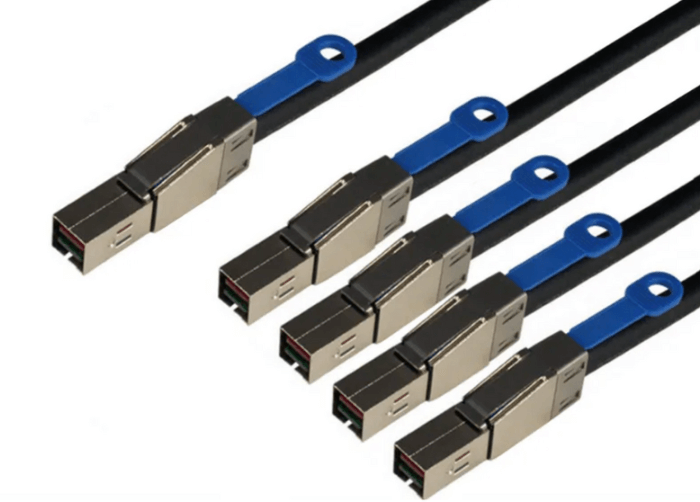
SFF-8644 connectors designed for durable external connections
This pairing allows clean separation between internal cabling and external expansion links while maintaining protocol compatibility.
Common Use Cases in Enterprise and JBOD Deployments
These cables are widely used in scenarios where storage resources are distributed across multiple enclosures.
Typical deployments include:
-
RAID controllers connected to external JBOD shelves
-
Servers with internal controllers managing external disk arrays
-
Data center storage platforms requiring modular expansion
Their reliability makes them a standard component in enterprise storage connectivity.
Installation and Design Considerations
Correct installation is important to preserve performance and reliability.
Best practices include:
-
Selecting cable lengths appropriate for rack and enclosure spacing
-
Providing proper strain relief at both internal and external connectors
-
Following bend radius guidelines during routing
-
Ensuring secure connector engagement on both ends
Attention to these details helps prevent intermittent faults and long-term degradation.
Continued Relevance in Hybrid Storage Architectures
As enterprise storage systems continue to balance internal density with external scalability, hybrid internal–external cabling remains essential. HD Mini SAS external–internal cables provide a proven and well-understood solution for linking these environments, supporting structured growth and predictable performance.
FAQ (Frequently Asked Questions)
What is an HD Mini SAS external–internal cable used for?
It connects internal RAID controllers or HBAs to external storage enclosures such as JBODs.
What connectors are used on each end?
The internal end typically uses SFF-8643, while the external end uses SFF-8644.
What speeds do these cables support?
Most HD Mini SAS external–internal cables support SAS 2.0 performance up to 6 Gb per second per lane.
Where are these cables commonly deployed?
They are widely used in enterprise data centers, RAID expansion systems, and JBOD storage environments.