When Should Flat CAT6 LSZH Cables Be Chosen Over Round Cables
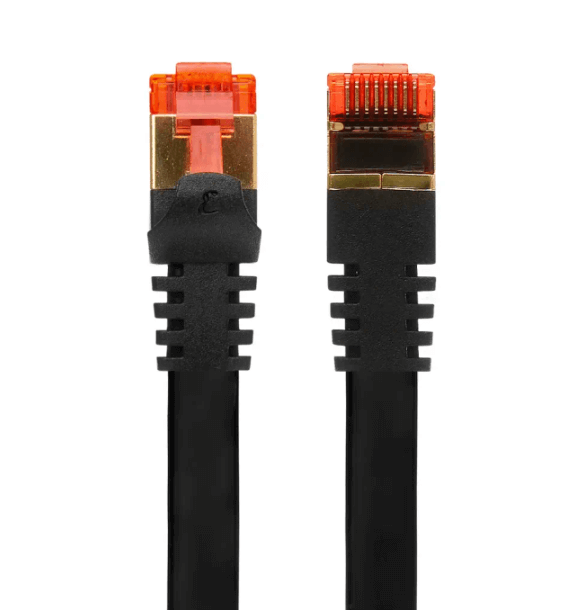
Flat CAT6 LSZH Ethernet cables are designed for installations where physical space, routing paths, or safety requirements make traditional round cables less practical. While both flat and round CAT6 cables support Gigabit Ethernet, flat LSZH variants offer advantages in low clearance environments and regulated commercial spaces. They are best suited for deployments where cable profile, routing flexibility, and fire safety are key design constraints.
Space Constraints And Routing Limitations
Round Ethernet cables have a larger diameter that can limit routing options in confined environments. In shallow conduits, under flooring, or behind wall panels, cable bulk can create installation challenges or require compromises in bend radius.
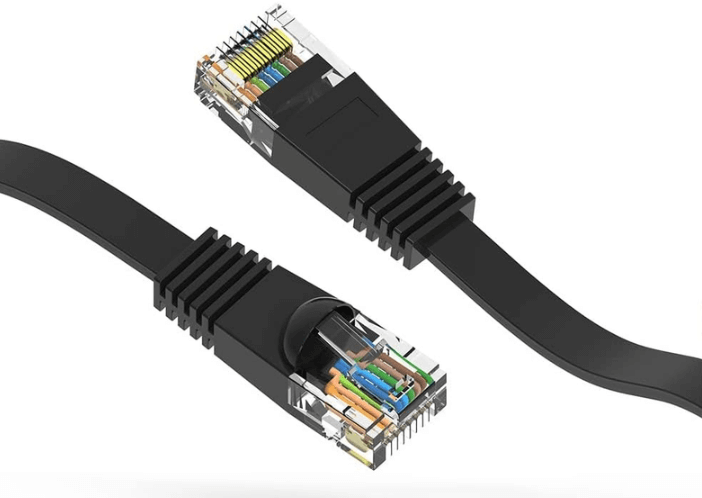
Flat CAT6 cables reduce vertical height and distribute conductors across a wider profile. This makes them easier to route through narrow gaps, tight raceways, and low profile pathways without forcing sharp bends or excessive compression. In retrofit projects or dense office layouts, this difference can significantly simplify installation.
Low Clearance And Surface Routing Scenarios
Flat CAT6 LSZH cables are often preferred when cables must be routed along surfaces rather than inside dedicated cable trays. Their low profile allows them to sit flush against floors, baseboards, or walls, reducing trip hazards and visual impact.
In environments where raised floors or ceiling space is limited, flat cables allow network connections to be added without major infrastructure changes. This is particularly useful in offices, classrooms, and temporary workspaces.
Electrical Performance Considerations
Flat CAT6 cables are engineered to meet CAT6 electrical specifications, supporting Gigabit Ethernet with consistent signal integrity when installed correctly. Conductor geometry and shielding are designed to control crosstalk and maintain impedance within acceptable limits.
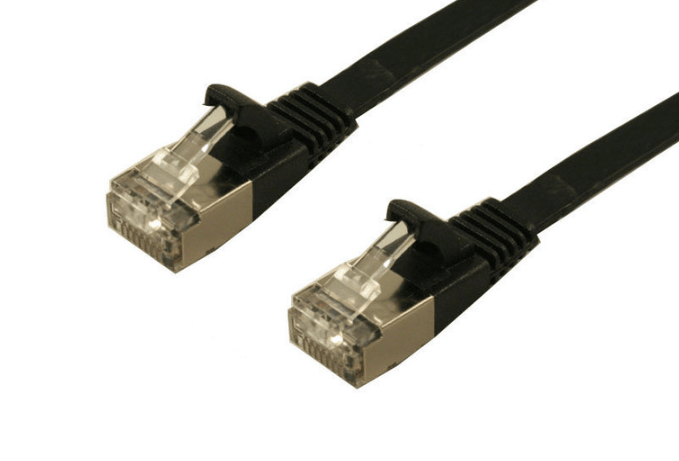
In electrically dense environments, shielded flat CAT6 cables can provide additional protection against external interference. As with any Ethernet installation, adherence to bend radius guidelines and proper termination is essential to preserve performance.
LSZH Jacket Requirements And Safety
Low smoke zero halogen jackets are often required in commercial buildings, public spaces, and data centers due to fire safety regulations. LSZH materials produce less smoke and fewer toxic gases compared to traditional PVC jackets when exposed to fire.
Flat CAT6 LSZH cables combine low profile construction with safer jacket materials, making them suitable for installations where both routing constraints and regulatory compliance must be addressed.
Common Use Cases Favoring Flat CAT6 LSZH
Flat CAT6 LSZH cables are typically chosen over round cables in the following scenarios:
-
Under floor or raised floor routing with limited clearance
-
Behind wall panels, furniture systems, or cable raceways
-
Office and workstation network drops with surface routing
-
Data center patching areas where airflow clearance is important
In these cases, reduced cable height and flexible routing outweigh the mechanical robustness of round cables.
When Round CAT6 Cables Are Still Preferred
Round CAT6 cables remain the better choice for long permanent runs, vertical risers, and environments where mechanical durability is critical. Their construction typically offers greater resistance to pulling force and repeated movement.
For backbone cabling, exposed runs, or areas with frequent handling, round cables may provide longer term resilience compared to flat designs.
Best Practices For Selecting Flat CAT6 LSZH Cables
When deploying flat CAT6 LSZH cables, installers should verify that the cable meets certified CAT6 standards and is suitable for the intended environment. Avoid sharp folds, maintain gentle bends, and ensure connectors are fully seated.
Flat cables should be routed in a way that avoids compression from heavy objects or fixtures. Proper labeling and cable management help maintain long term reliability and simplify future changes.
FAQ (Frequently Asked Questions)
When are flat CAT6 LSZH cables preferred over round cables?
They are preferred in tight spaces, low clearance routes, and surface mounted installations where cable profile matters.
Do flat CAT6 cables meet CAT6 performance standards?
Yes, when manufactured to specification and installed correctly, they support full CAT6 Gigabit Ethernet performance.
Why is LSZH important in commercial installations?
LSZH jackets reduce smoke and toxic emissions during a fire, supporting safer indoor environments.
Are flat CAT6 cables suitable for data centers?
Yes, they are often used for short patching and airflow sensitive areas, but round cables are still preferred for permanent backbone runs.