Electrical and Safety Characteristics of SFP+ LSZH Cable Assemblies
SFP+ LSZH cable assemblies are passive direct attach copper interconnects used for short distance 10 Gigabit Ethernet links in environments that require low smoke, zero halogen materials. They connect switches, servers, and storage systems within racks or across adjacent racks. Their function is to provide predictable electrical performance while complying with fire safety and material regulations commonly enforced in enterprise and regulated facilities.
Electrical Channel Design in Passive SFP+ Assemblies
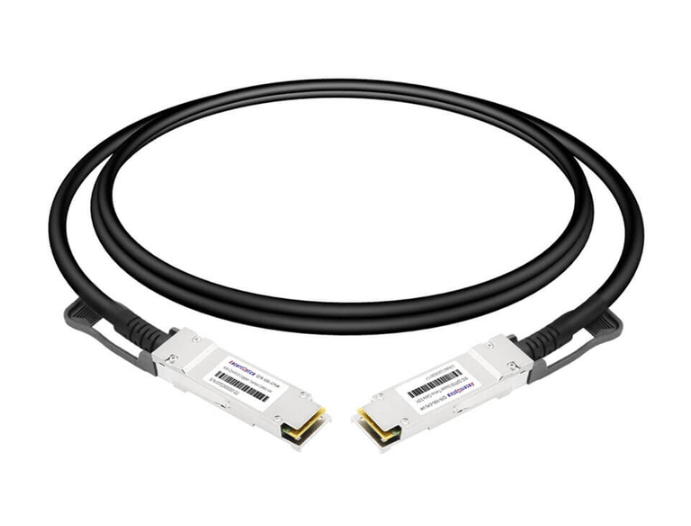
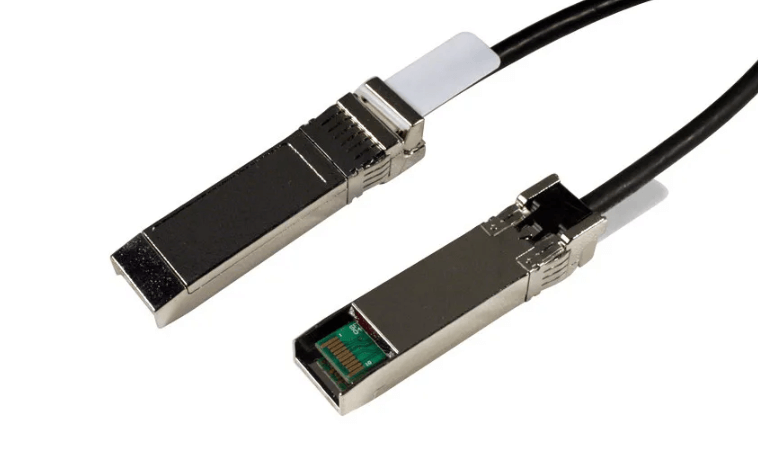
An SFP+ LSZH cable assembly consists of twinax copper conductors terminated with SFP+ form factor connectors on each end. The cable operates as a passive transmission medium, meaning it contains no active signal conditioning, retiming, or amplification components. All equalization and signal recovery processes are performed by the host ports.
Twinax construction maintains differential impedance control, which is required for 10Gb Ethernet signaling. Shielding around the conductor pairs reduces susceptibility to electromagnetic interference and limits crosstalk between adjacent links in dense rack environments. Because the assembly is passive, overall channel performance is determined by insertion loss, return loss, and the electrical characteristics of the connected devices.
Signal Integrity and Distance Limitations
Passive SFP+ LSZH cables are designed for short reach deployments. Maximum supported distance depends on conductor gauge, cable construction, and the signal margin of the host transceivers. As length increases, attenuation and reflection effects become more significant.
Without embedded active components to compensate for loss, the cable must remain within validated length specifications to maintain acceptable bit error rates. Proper impedance matching across the connector interface and along the cable core is essential to sustaining reliable 10Gb data transmission.
Host equipment typically defines supported link lengths and equalization parameters. For this reason, compatibility verification between cable and switch or network interface is recommended in performance sensitive environments.
LSZH Jacket Composition and Fire Behavior
Low smoke zero halogen materials are formulated to reduce smoke density and eliminate halogen based compounds during combustion. In the event of a fire, LSZH jackets are intended to limit corrosive gas emission and improve visibility within enclosed spaces.
Compared to PVC alternatives, LSZH compounds may exhibit increased stiffness and slightly different thermal characteristics. These properties influence handling and routing but do not alter the electrical performance of the conductors within the assembly.
LSZH jacketed SFP+ cables are commonly specified in enterprise data centers, public buildings, transportation infrastructure, and other facilities where building codes restrict halogen containing materials.
Mechanical Properties and Routing Considerations
Although electrical performance is independent of jacket chemistry, mechanical behavior is affected by material selection. LSZH jackets may require attention to bend radius during installation, particularly near connector transitions.
Proper cable management practices help prevent strain on SFP+ connectors and maintain long term reliability. Organized routing also improves airflow and reduces congestion in high density rack deployments.
Clear labeling is advisable in mixed cable environments to ensure compliance with facility requirements and simplify maintenance procedures.
Typical Deployment Environments
SFP+ LSZH cable assemblies are frequently deployed in:
-
Server to top-of-rack switch connections
-
Inter-rack links within short distances
-
Enterprise data centers with LSZH compliance mandates
-
Network rooms in public or regulated facilities
-
Storage and compute interconnections supporting 10Gb Ethernet
These scenarios prioritize short reach electrical performance combined with material safety compliance.
FAQ (Frequently Asked Questions)
What does LSZH signify in SFP+ cable assemblies?
It indicates that the outer jacket material produces low smoke and contains no halogen compounds when exposed to fire.
Are SFP+ LSZH assemblies active or passive cables?
They are passive cables. Signal processing and equalization are handled by the connected equipment.
Does the LSZH jacket influence signal transmission quality?
No. Electrical characteristics are determined by conductor geometry and shielding. The jacket material affects safety and flexibility, not bandwidth.
Where are LSZH SFP+ cables typically required?
They are specified in facilities governed by fire safety regulations, including enterprise data centers and public infrastructure environments.