SATA X2 To SAS Connectivity In Server Storage Environments
SATA x2 to SAS connectivity enables SATA host controllers to interface with SAS drives through specialized internal cabling. This configuration is commonly implemented in server and storage environments where SAS drives are introduced into systems originally designed for SATA infrastructure. It provides a practical method to extend hardware capabilities while maintaining system stability and compatibility.
Understanding SATA to SAS Signaling
SATA and SAS use different communication protocols, each designed for specific performance and reliability requirements. SAS supports features such as dual porting and full duplex communication, while SATA is more limited in functionality. Despite these differences, SAS drives are built with backward compatibility, allowing them to accept SATA commands from a SATA controller.
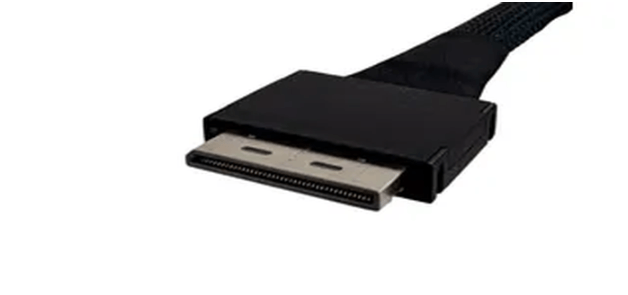
SATA x2 to SAS cables facilitate this interaction by translating SATA signaling into a format compatible with SAS drive interfaces. These cables typically terminate in an SFF 8482 connector on the drive side, ensuring proper electrical and physical connectivity.
Cable Architecture and Internal Design
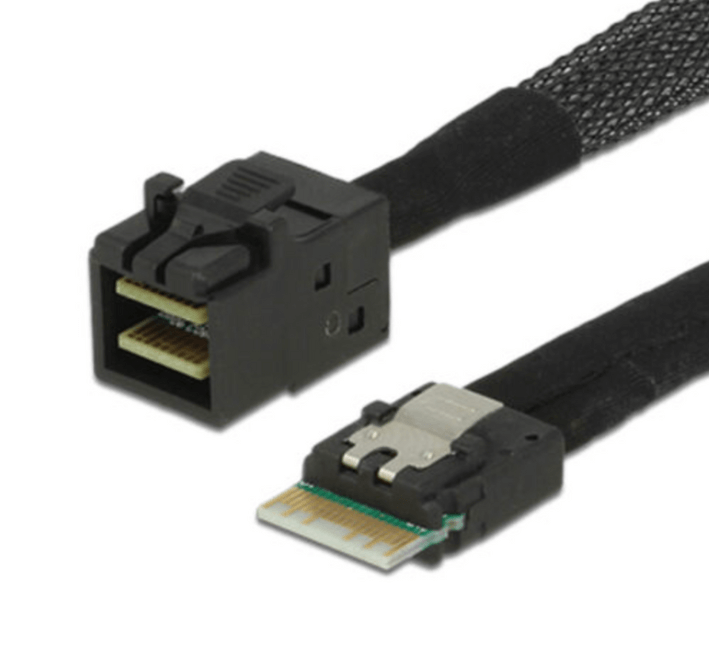
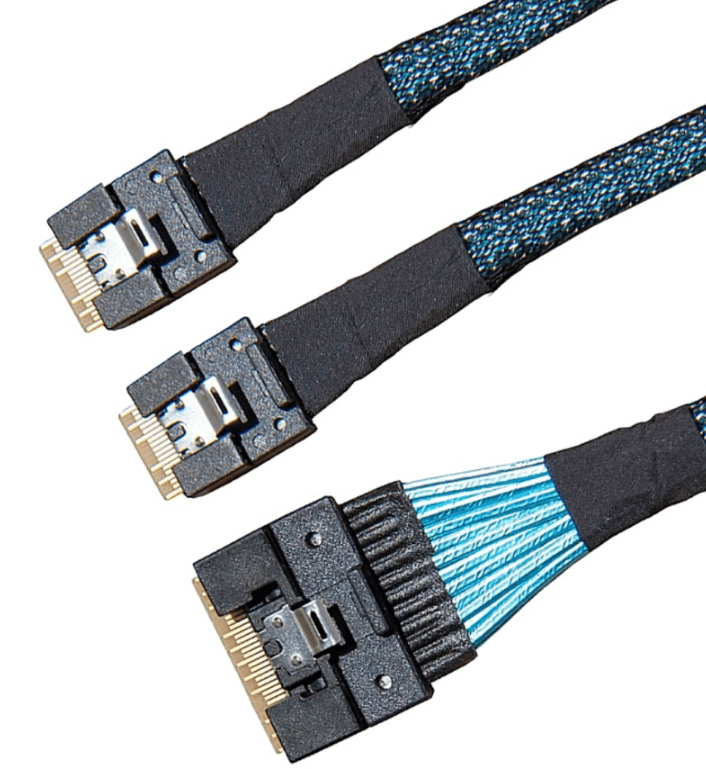
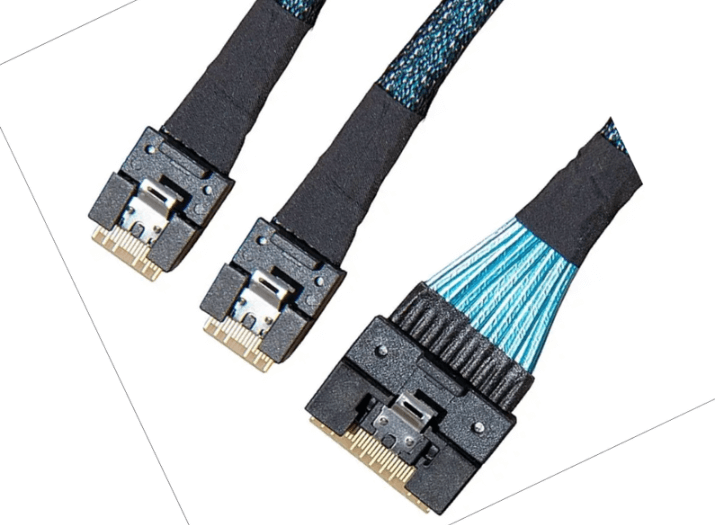
A SATA x2 to SAS cable consists of two SATA connectors on the host side and a single SAS connector on the drive side. The dual SATA connections are not used to increase bandwidth. Instead, they support signal mapping, grounding, and electrical requirements necessary for SAS drive operation.
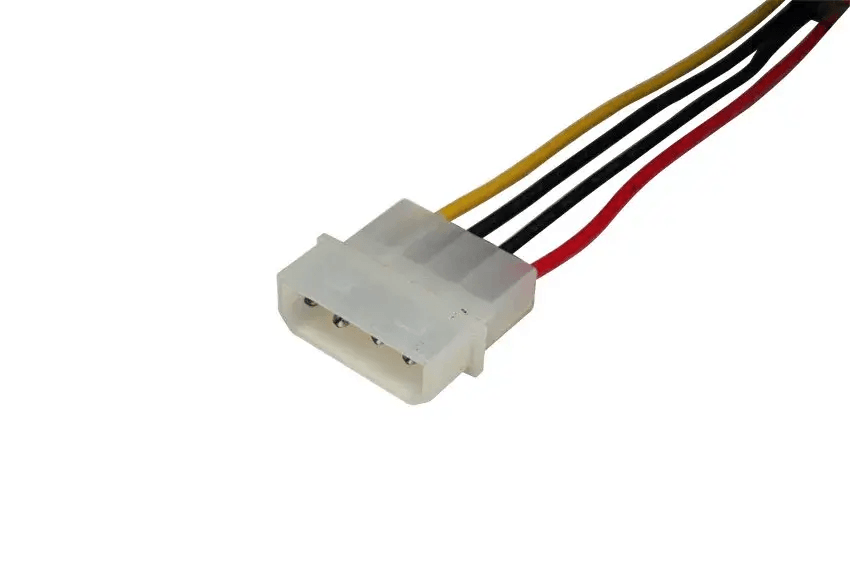
The SAS connector integrates both data and power interfaces. In many designs, an additional power lead is included to meet the higher and more stable power requirements of enterprise SAS drives. This ensures consistent drive initialization and operation within server environments.
Performance and Bandwidth Limitations
The overall performance of a SATA x2 to SAS configuration is limited by the SATA controller. Most SATA III interfaces support up to 6 Gb/s, which becomes the maximum throughput available to the SAS drive in this setup.
Although SAS drives may support higher speeds, these capabilities are not utilized when connected through a SATA interface. Advanced features such as full duplex data transfer and dual port access are also not supported in this configuration.
Maintaining signal integrity is essential. These cables are typically short and used within server chassis, where environmental interference is minimized and signal quality can be preserved.
Compatibility and System Behavior
System compatibility depends on the SATA controller, firmware, and BIOS configuration. Not all SATA controllers fully support SAS drive initialization, even when connected through the correct cable type. Testing and validation are recommended before deployment in production environments.
Another important limitation is the lack of SAS specific functionality. Features such as redundant data paths and advanced error recovery mechanisms are not available when operating through a SATA interface.
Despite these constraints, SATA x2 to SAS connectivity remains a useful solution for extending the life of existing hardware while introducing SAS drives into the system.
Signal Integrity Considerations
Signal integrity plays a critical role in mixed interface configurations. SATA uses differential signaling, and any mismatch in impedance or poor cable construction can lead to data errors.
The dual SATA connectors help stabilize the electrical environment required for SAS communication. Proper shielding, short cable lengths, and careful routing within the chassis help maintain consistent signal quality.
Mechanical and Thermal Considerations
In high density server environments, cable management directly affects airflow and cooling performance. Low profile cable designs are preferred to minimize airflow obstruction and maintain proper thermal conditions.
Proper connector seating and secure installation reduce the risk of intermittent disconnections. Minimizing cable movement after installation also helps preserve connector integrity over time.
Use Cases
- Rack Mounted Servers Using SATA Controllers With SAS Drives
- RAID Arrays Requiring SAS Drive Deployment Without Controller Replacement
- Storage Expansion In Legacy Systems
- Test And Validation Environments For SAS Drives
- Transitional Infrastructure Moving Toward SAS Based Architectures
Best Practices For Deployment
Verify compatibility between the SATA controller and SAS drives before implementation. Use high quality cables designed for proper shielding and signal integrity.
Ensure adequate power delivery, especially when using enterprise SAS drives. Keep cable routing organized and avoid sharp bends to maintain airflow and reduce interference.
Document system configurations to simplify troubleshooting and future upgrades in mixed interface environments.
FAQ (Frequently Asked Questions)
1. Why Are Two SATA Connectors Used For One SAS Drive?
They support electrical mapping and grounding requirements, not additional bandwidth.
2. Can SATA Controllers Access Full SAS Features?
No. Only basic functionality is available without advanced SAS capabilities.
3. What Is The Maximum Data Transfer Speed?
Up to 6 Gb/s, limited by the SATA interface.
4. Is Compatibility Guaranteed Across All Systems?
No. It depends on controller chipset, firmware, and BIOS support.