SATA Signal Architecture And Cable Performance
SATA technology was developed to provide a standardized serial communication interface for storage devices within computing systems. By replacing parallel storage architectures with serial signaling, SATA improved internal cable organization, airflow efficiency, and signal reliability. SATA cable configurations continue to be widely used in desktops, workstations, servers, and embedded systems where dependable storage connectivity is required.
Serial Communication And Point-To-Point Links
SATA operates through a point-to-point serial architecture where each storage device communicates directly with the host controller through an independent connection. This structure eliminates shared bus limitations associated with earlier parallel interfaces.
Dedicated transmit and receive pairs allow stable communication while reducing timing complexity and electrical interference between devices. The simplified signaling structure also supports smaller connector designs and improved internal cable management.
Differential Signaling And Electrical Stability
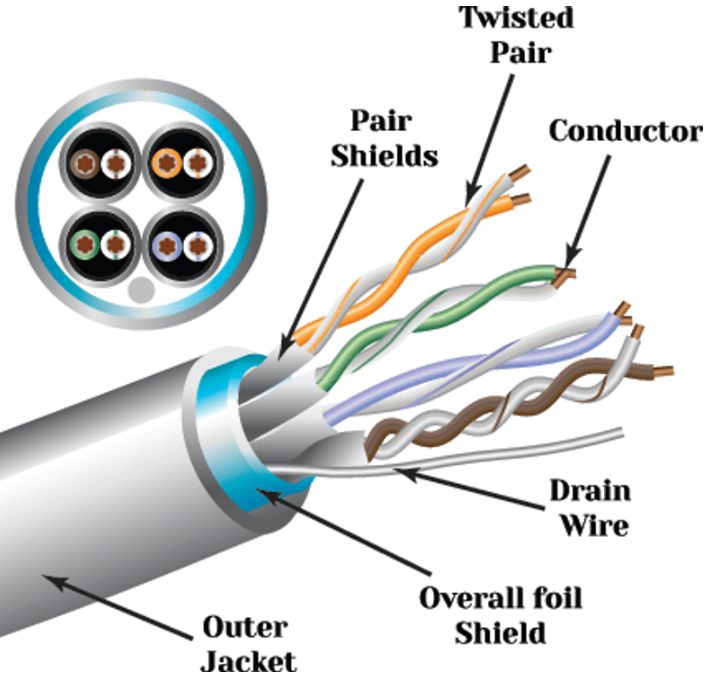
SATA interfaces use differential signaling to improve resistance to electromagnetic interference and maintain signal consistency during high-speed operation. Controlled impedance characteristics within the cable assembly help reduce reflections and insertion loss.
Signal stability becomes increasingly important as transfer rates increase across SATA generations. Cable construction, conductor quality, shielding, and connector precision all influence long-term communication reliability.
SATA Generations And Throughput Evolution
The SATA specification evolved through multiple revisions to support increasing storage bandwidth requirements. SATA I introduced transfer rates of 1.5 Gb/s, SATA II expanded performance to 3 Gb/s, and SATA III increased throughput capability to 6 Gb/s.
Despite the emergence of PCIe and NVMe storage technologies, SATA continues to remain widely deployed because of its broad compatibility and mature infrastructure support across multiple device categories.
Connector Geometry And Retention Design
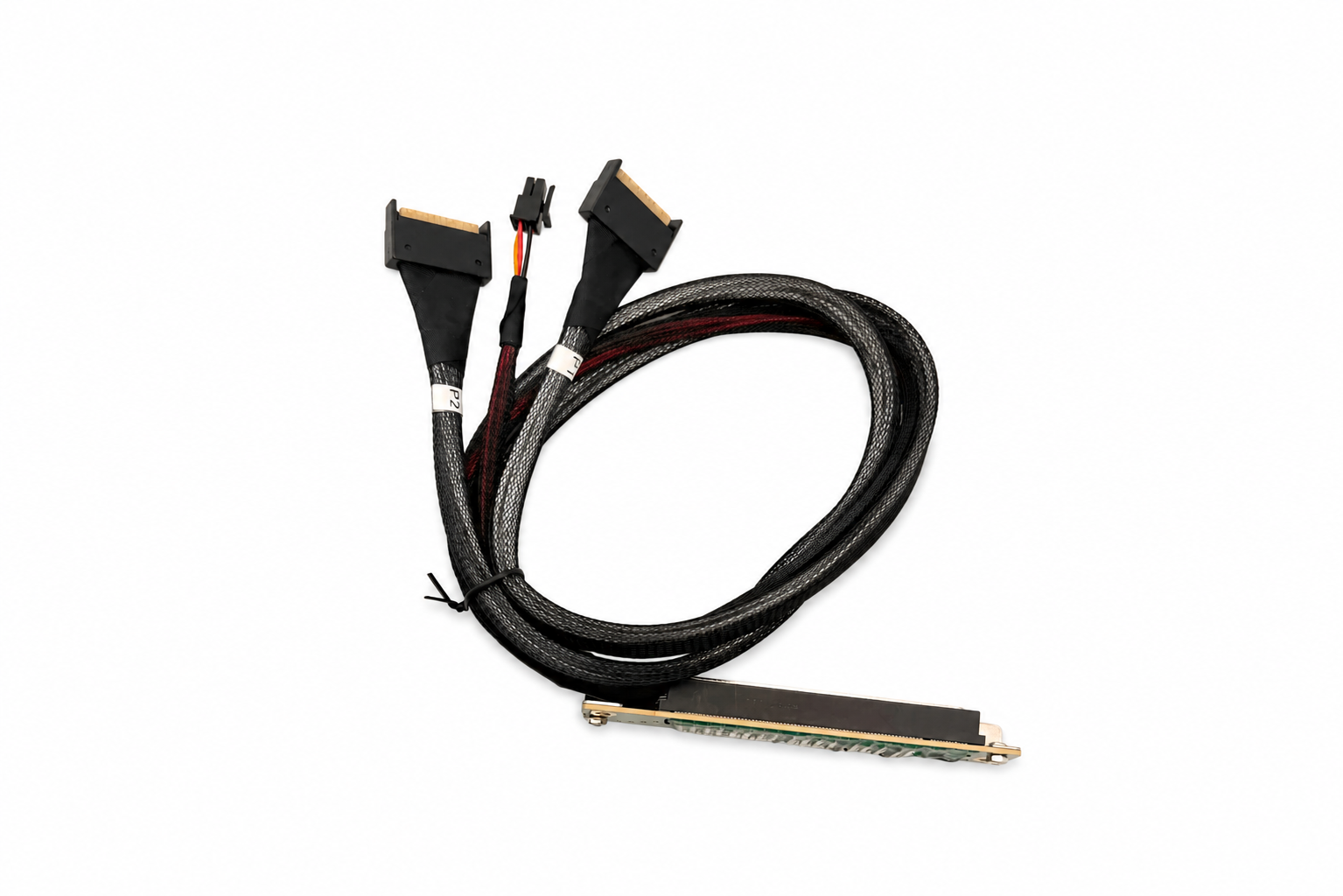
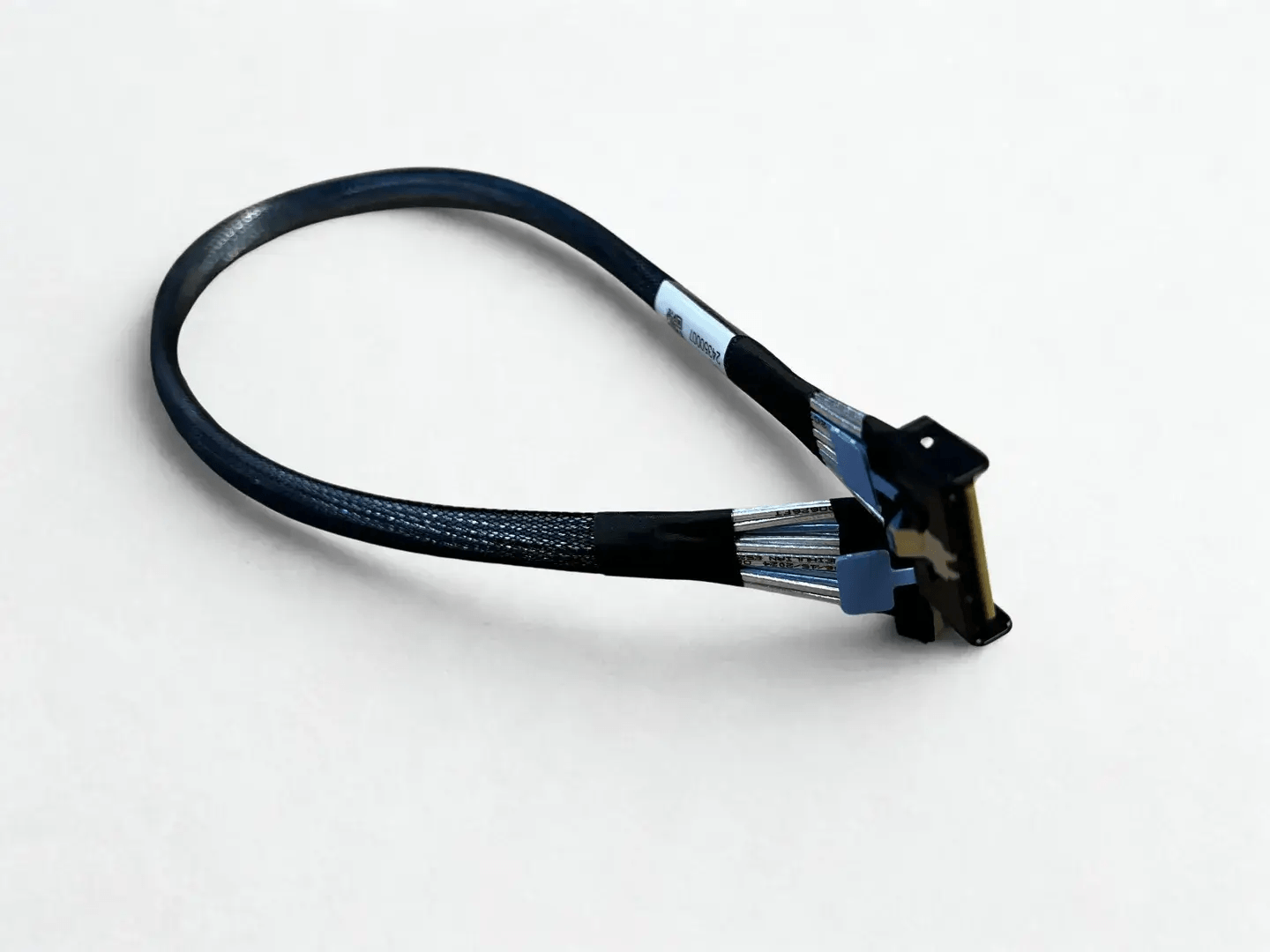
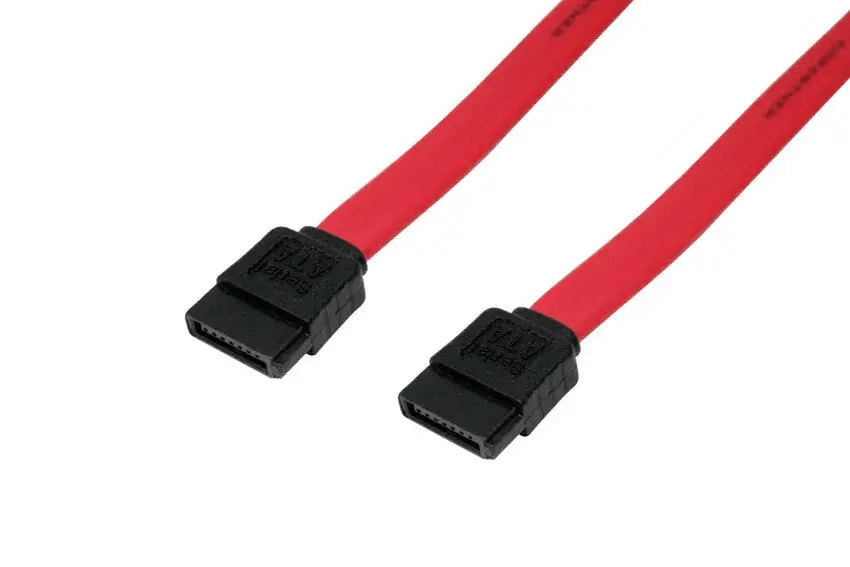
Standard SATA data cables use compact 7 pin connectors optimized for dense internal system layouts. The reduced connector size improves airflow within chassis environments and simplifies cable routing around storage bays and cooling components.
Certain cable designs include locking latch mechanisms that improve connector retention under vibration or repeated servicing conditions. These retention features help maintain stable contact over extended operational periods.
Internal Cable Routing And Airflow Efficiency
One advantage of SATA cabling is its narrow cable profile compared to older ribbon-style interfaces. Smaller cable dimensions reduce airflow obstruction and contribute to improved thermal management within compact systems.
Organized cable routing also simplifies maintenance and reduces the likelihood of accidental cable displacement during upgrades or hardware replacement procedures.
Compatibility Across Storage Platforms
SATA interfaces are used with hard drives, solid-state drives, and optical storage devices across consumer and enterprise systems. Their standardized design enables interoperability between controllers, motherboards, and storage devices from different manufacturers.
This compatibility has contributed to SATA’s continued use in servers, desktop systems, industrial computing platforms, and embedded storage environments.
Reliability And Long-Term Operation
Reliable SATA communication depends on stable electrical contact, proper routing practices, and high-quality cable construction. Excessive cable bending, connector wear, or contamination may affect connection consistency over time.
Maintaining secure connections and avoiding unnecessary mechanical stress helps preserve long-term operational stability in continuously operating systems.
FAQ (Frequently Asked Questions)
What Is SATA Used For?
SATA is used to connect storage devices such as SSDs, hard drives, and optical drives.
Why Did SATA Replace Parallel ATA?
SATA improved cable management, airflow, and data transfer performance.
What Is The Maximum Speed Of SATA III?
SATA III supports transfer rates up to 6 Gb/s.
Do SATA Data Cables Carry Power?
No, separate SATA power connectors are used for power delivery.