When Should OCuLink 8x Be Used Instead Of SlimSAS Or MCIO In High Bandwidth Builds?
Modern PCIe 5.0 platforms offer multiple internal cabling standards, each designed to solve different architectural problems. OCuLink 8x, SlimSAS, and MCIO all support high speed PCIe signaling, but they differ in lane handling, mechanical design, and deployment complexity. Choosing OCuLink 8x is often the best option when a system requires a dedicated, full width PCIe link with minimal configuration overhead and predictable signal behavior.
Design Intent of the Interfaces
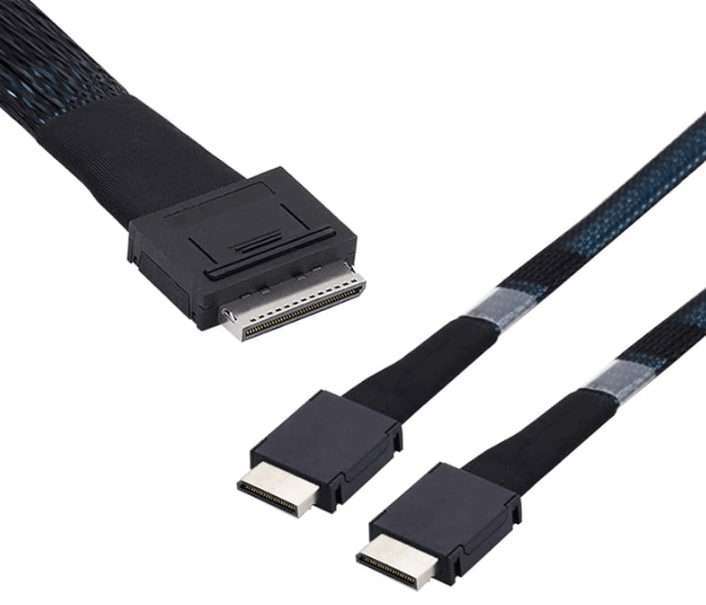
OCuLink was created specifically for PCIe transport over short internal distances. Its design emphasizes direct lane mapping, compact connectors, and low complexity routing between a host and a single endpoint.
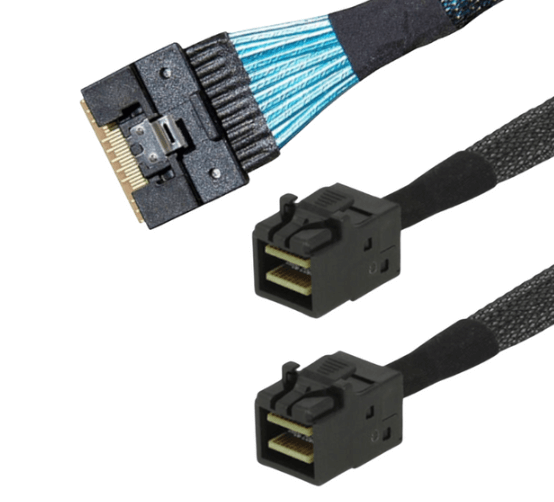
SlimSAS is more protocol flexible and is commonly used in storage oriented designs where PCIe, SAS, and SATA may coexist. MCIO focuses on very high lane density and future scalability, often aggregating many lanes into a single connector for large scale platforms.
These different design goals directly influence where each interface performs best.
When Full Width X8 Connectivity is Required
OCuLink 8x is ideal when a device expects a native x8 PCIe connection with no lane splitting or aggregation. GPUs, accelerators, and certain NVMe backplanes benefit from a dedicated x8 link that enumerates cleanly as a single endpoint. This avoids firmware dependencies, reduces platform tuning, and simplifies troubleshooting during deployment.
In contrast, SlimSAS and MCIO often require more careful lane mapping and configuration, especially in multi device designs.
Signal Integrity at PCIe 5.0 Speeds
PCIe 5.0 signaling places strict demands on internal cabling. Loss, impedance variation, and skew tolerance all become critical factors. OCuLink 8x cables are optimized for defined lane counts and short reach connections, which helps maintain stable links without retraining or speed fallback.
While SlimSAS and MCIO can also support PCIe 5.0, their higher lane density and mechanical complexity can make routing and tuning more challenging in compact chassis.
Mechanical and Routing Advantages
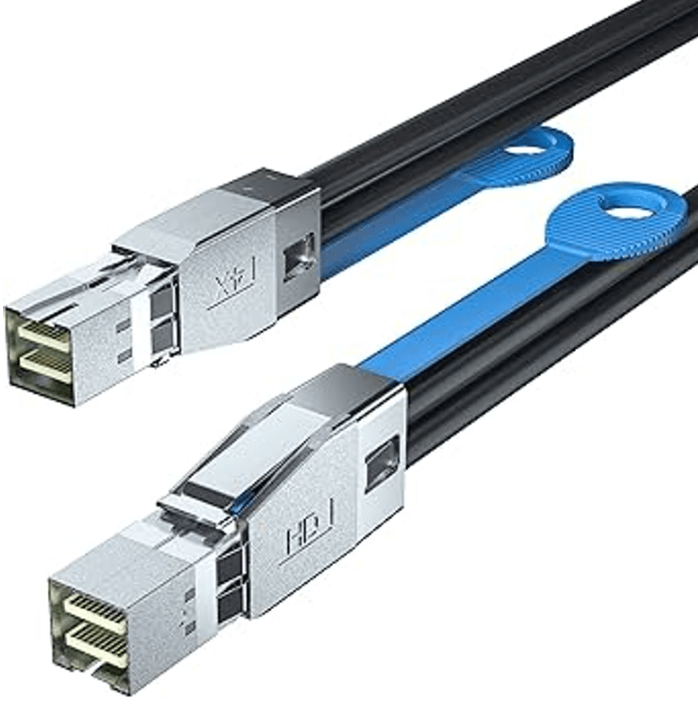
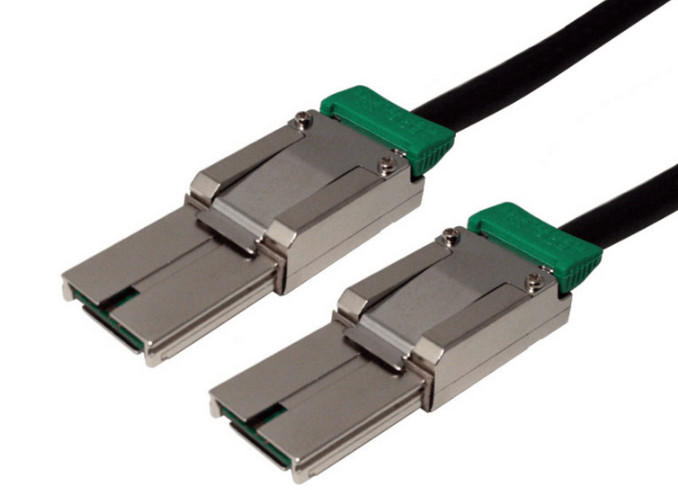
OCuLink connectors are relatively small and easy to route in tight internal spaces. This makes them well suited for compact servers, edge systems, and expansion chassis where airflow and service access are important. Purpose selected cable lengths reduce slack, improve airflow, and lower mechanical stress on connectors.
MCIO connectors are typically larger and stiffer, which can complicate routing in smaller systems. SlimSAS sits between the two but may still require more space depending on the lane configuration.
Practical Use Cases Favoring OCuLink 8x
OCuLink 8x is often the preferred choice in:
-
GPU expansion chassis
-
PCIe accelerator platforms
-
Direct attach NVMe backplanes requiring x8 links
-
Lab, edge, and serviceable systems where simplicity matters
These environments benefit from predictable enumeration, straightforward cabling, and reduced integration risk.
When SlimSAS or MCIO may be Better
SlimSAS is often the better option when mixed protocol support is required, such as combining PCIe and SAS connectivity in storage platforms. MCIO is better suited for large scale systems that prioritize extreme lane density and future expansion over simplicity.
In these cases, the added complexity is justified by architectural needs rather than raw per device bandwidth.
Installation and Design Considerations
Regardless of interface choice, PCIe 5.0 systems demand disciplined routing and high quality cables. With OCuLink 8x, designers should verify native x8 support on both host and device, select appropriate cable lengths, and avoid tight bends that could affect conductor geometry. These practices help ensure long term stability and performance.
FAQ (Frequently Asked Questions)
When is OCuLink 8x the best choice over SlimSAS or MCIO?
When a system requires a dedicated x8 PCIe link with minimal configuration and predictable behavior.
Does OCuLink 8x limit future scalability?
It supports fewer lanes than MCIO, but it aligns well with many current PCIe 5.0 devices that require x8 connectivity.
Can these interfaces be mixed within the same system?
Yes, but each port and cable must match the platform design and supported pinout.
Which interface is easiest to deploy and service?
OCuLink 8x is often preferred for its compact connectors, simple routing, and reduced configuration complexity.