How Does The I8080-M Cable Optimize Internal Routing While Preserving PCIe 5.0 Throughput?
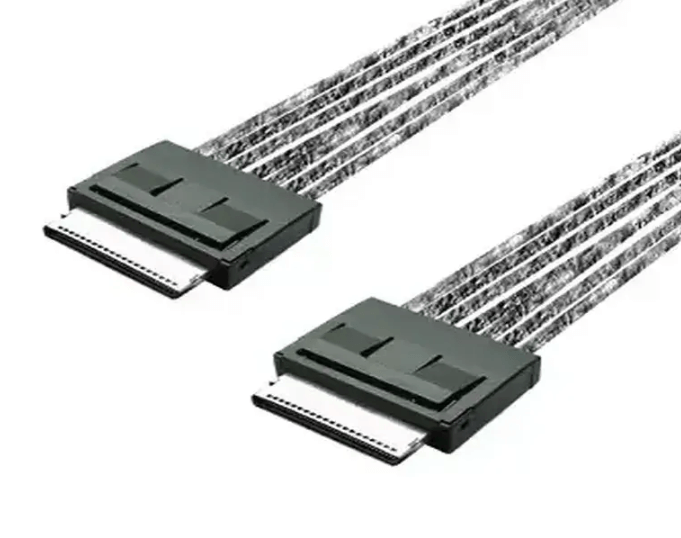
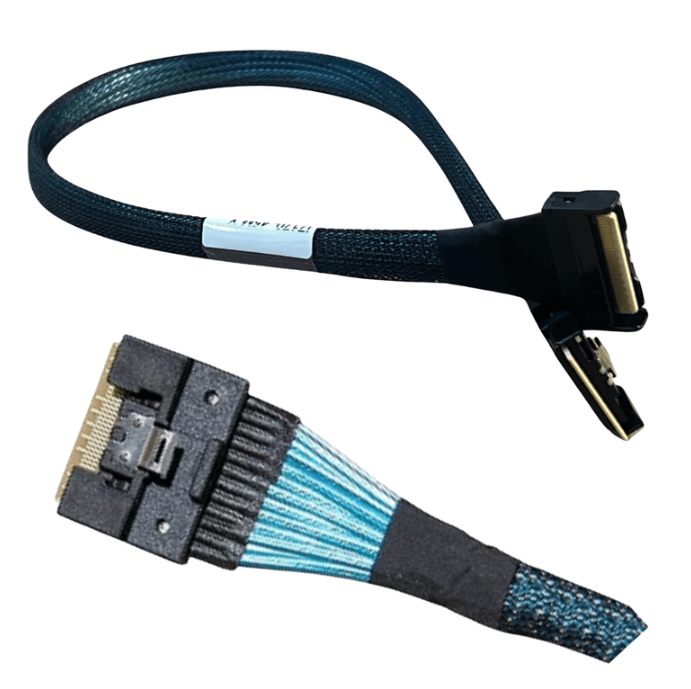
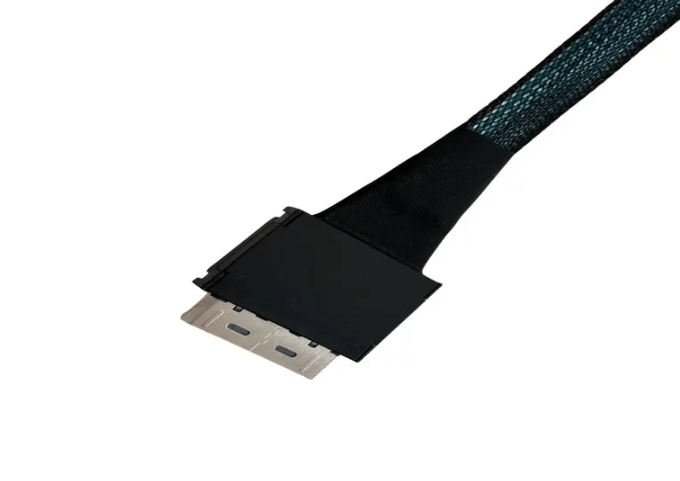
As PCIe 5.0 platforms push higher data rates inside increasingly compact systems, internal cabling becomes a critical part of overall performance and reliability. The I8080-M OCuLink 8x to 8x cable is designed to support full bandwidth PCIe connections while also enabling clean, disciplined internal routing. Its value lies in balancing electrical performance with mechanical practicality inside dense servers and expansion enclosures.
Why Internal Routing Matters At PCIe 5.0
At PCIe 5.0 speeds, signal integrity is highly sensitive to physical factors such as cable length, bend radius, and connector stability. Excess slack, sharp bends, or mechanical strain can degrade electrical characteristics over time. Clean routing reduces these risks by preserving conductor geometry and minimizing stress at connection points, which helps maintain stable link operation under sustained load.
Full Width X8 Connectivity Without Complexity
The I8080-M provides a direct eight lane PCIe connection from host to device. By maintaining native x8 link width end to end, it avoids lane bifurcation, breakout harnesses, or complex routing schemes. Devices enumerate as a single x8 endpoint, which simplifies firmware behavior and reduces configuration and troubleshooting overhead in high bandwidth systems.
Purpose Selected Cable Lengths
The I8080-M is available in defined lengths that align with common internal routing paths in servers and expansion chassis. Using an appropriately sized cable eliminates the need to coil excess length or force tight bends. Shorter, well matched runs improve airflow, reduce cable congestion, and help maintain consistent signal margins across the full PCIe channel.
Connector Design And Mechanical Stability
OCuLink connectors are compact and well suited for dense internal layouts. Secure latching mechanisms help maintain consistent contact pressure even in systems subject to vibration or frequent service access. Stable mechanical engagement reduces the risk of intermittent links that can present as performance drops or unexpected device resets.
Signal Integrity Engineering
To support PCIe 5.0 signaling, the I8080-M is built with controlled impedance conductors, matched differential pairs, and low loss materials. Tight pair to pair skew control ensures that all eight lanes remain synchronized, which is critical for sustaining full throughput without link retraining or speed negotiation fallback.
Airflow And Serviceability Benefits
Cleanly routed internal cables contribute directly to better airflow across CPUs, accelerators, and storage devices. Reduced cable bulk improves thermal consistency and simplifies visual inspection during maintenance. Clear routing paths also make component replacement faster and reduce the likelihood of accidental cable disturbance during service operations.
Ideal Deployment Scenarios
The I8080-M cable is particularly effective in:
-
GPU expansion chassis
-
PCIe accelerator platforms
-
NVMe backplanes requiring dedicated x8 links
-
Compact servers where airflow and service access are constrained
These environments benefit from both predictable PCIe performance and disciplined internal layout.
Installation And Design Considerations
Installers should select the shortest practical cable length that allows strain free routing. Tight bends and excessive tension should be avoided to preserve long term electrical stability. Both host and device ports should support native OCuLink x8 connectivity to ensure correct link negotiation at PCIe 5.0 speeds.
FAQ (Frequently Asked Questions)
How does internal routing affect PCIe 5.0 performance?
Poor routing can introduce mechanical stress and sharp bends that negatively impact signal integrity at high data rates.
Does the I8080-M support full PCIe 5.0 bandwidth?
Yes, it is designed to maintain a native x8 PCIe 5.0 link between host and device.
Is shorter cable length always better?
Shorter lengths generally improve signal margins, but the cable must still be long enough to route cleanly without strain.
Can clean routing improve system airflow?
Yes, well managed internal cabling reduces obstructions and helps maintain consistent airflow across critical components.