When should CX4 Ejector Cables be Used Instead of Thumbscrew CX4 Assemblies?
CX4 cabling was developed to support high speed copper links for early 10 Gigabit Ethernet and InfiniBand systems where short reach, low latency connectivity was required. Within this category, ejector and thumbscrew retention styles address different operational needs. Understanding when ejector mechanisms provide advantages over thumbscrew assemblies is important for maintaining serviceability, uptime, and physical accessibility in legacy infrastructure that remains in active use today.
Functional Role of CX4 Retention Mechanisms
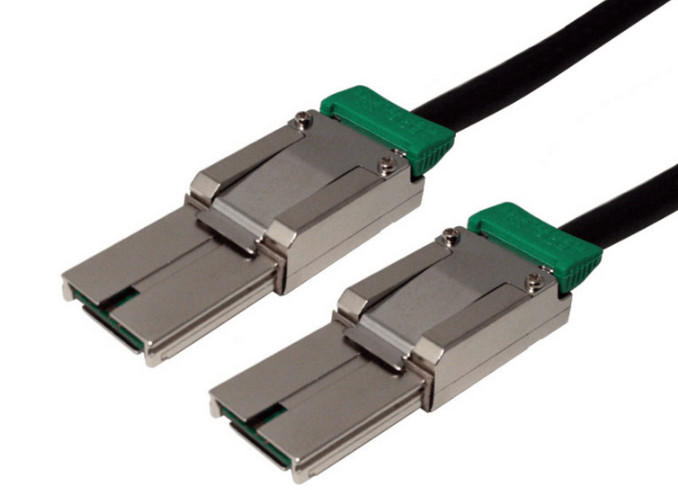
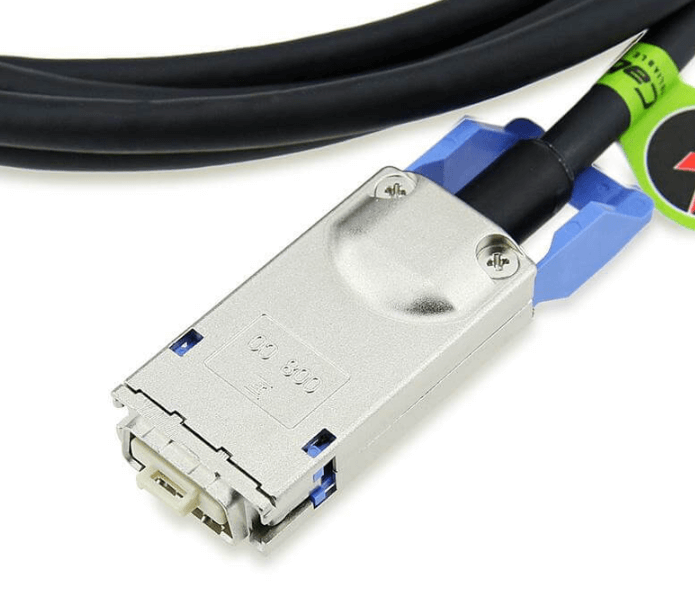
Both ejector and thumbscrew CX4 assemblies terminate the same electrical interface and support identical signaling standards. The distinction lies in how the connector is secured and released from the port. Thumbscrew designs rely on threaded fasteners that must be rotated to lock or unlock the connector, while ejector styles use integrated levers or pull tabs that engage a latch inside the receptacle.
Retention choice does not affect protocol compatibility, bandwidth, or supported distance. Instead, it influences how quickly and safely cables can be disconnected during maintenance activities.
Mechanical and Accessibility Differences
Thumbscrew CX4 cables provide strong mechanical retention and resistance to vibration. They are well suited for installations where cables are installed once and rarely touched. However, in high density racks or chassis with limited side clearance, accessing the thumbscrews can be difficult and time consuming.
Ejector CX4 cables are designed to address these physical constraints. The ejector lever can be actuated from the front of the connector without tools or rotation, allowing removal even when adjacent ports are populated. This design reduces the likelihood of disturbing neighboring cables during service.
Impact on Service and Maintenance Workflows
Ejector mechanisms are particularly beneficial in environments where hardware changes are frequent. During controller replacements, switch upgrades, or diagnostic testing, technicians can disconnect CX4 ejector cables quickly and with minimal hand movement. This reduces maintenance windows and lowers the risk of accidental port damage caused by forced access to thumbscrews.
In contrast, thumbscrew assemblies can slow down repetitive tasks, especially when dozens of connections must be removed and reinstalled during a single maintenance event.
Signal Integrity and Performance Considerations
From an electrical perspective, ejector CX4 cables perform the same as thumbscrew variants. Both use controlled impedance conductors, shielding, and robust terminations to support stable 10GbE and InfiniBand signaling within CX4 distance limits. The ejector hardware is part of the backshell and does not interfere with the signal path or introduce additional loss.
As a result, selection between ejector and thumbscrew designs should be based on mechanical and operational factors rather than concerns about throughput or latency.
Common Environments where Ejector CX4 Cables are Preferred
CX4 ejector cables are commonly deployed in scenarios such as:
-
High density rack installations with limited hand clearance
-
Lab and validation environments with frequent cable swaps
-
Enterprise systems requiring rapid fault isolation
-
Legacy InfiniBand and 10GbE platforms under active maintenance
These use cases prioritize accessibility and speed over maximum static retention strength.
Best Practice Considerations
When using CX4 ejector cables, ensure the connector is fully seated so the latch engages correctly. Cable routing should leave sufficient space to access the ejector lever without excessive bending or strain. Clear labeling is recommended to avoid accidental disconnection during service work in crowded racks.
Thumbscrew assemblies remain appropriate for installations exposed to vibration or where cables are rarely removed, such as fixed infrastructure or long term deployments.
FAQ ( Frequently Asked Questions)
Do CX4 ejector cables support the same protocols as thumbscrew CX4 cables?
Yes. Both designs support the same CX4 electrical standards for 10 Gigabit Ethernet and InfiniBand.
Are ejector CX4 cables less secure than thumbscrew versions?
They provide reliable retention for normal data center environments but are optimized for accessibility rather than maximum vibration resistance.
Can ejector CX4 cables be used in existing CX4 ports?
Yes. Ejector and thumbscrew CX4 assemblies are mechanically and electrically compatible with standard CX4 receptacles.
Is there any performance penalty when using ejector mechanisms?
No. The ejector mechanism does not affect signal integrity, bandwidth, or latency.