Port Flexibility in Modern Switches Using 800G to 400G x2 DAC Breakout Cables
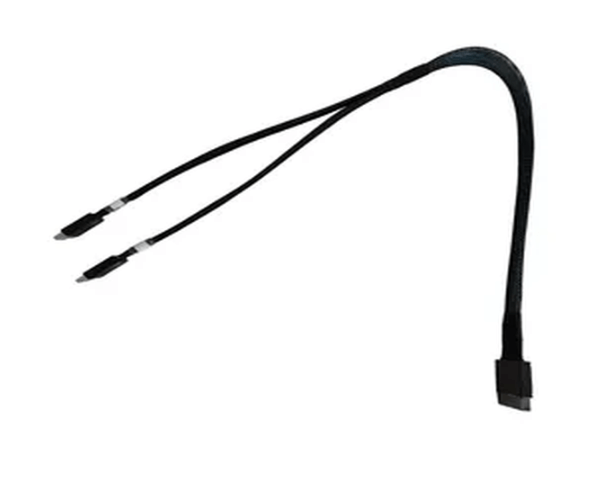
High capacity Ethernet switches increasingly deploy 800G ports to maximize aggregate throughput within a fixed chassis footprint. An 800G to 400G x2 direct attach copper breakout cable enables that single physical interface to operate as two independent 400G links. This physical layer breakout capability allows network architects to align switch bandwidth with real world device requirements while preserving long term scalability.
Lane Distribution and Physical Architecture
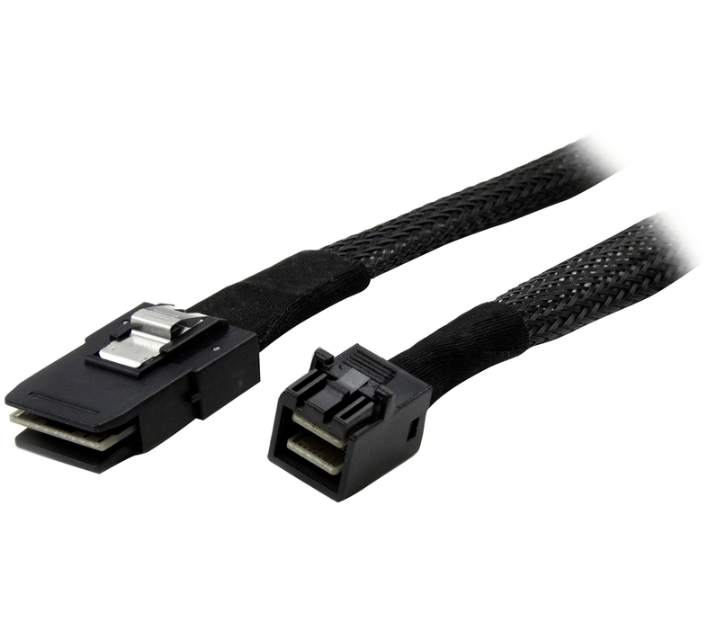
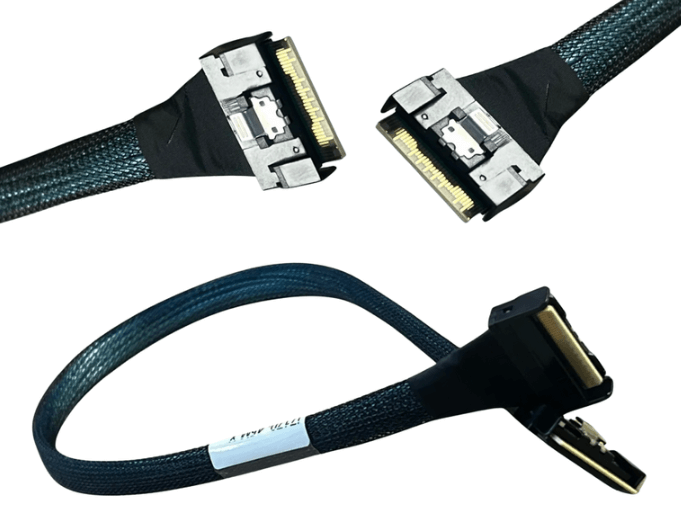
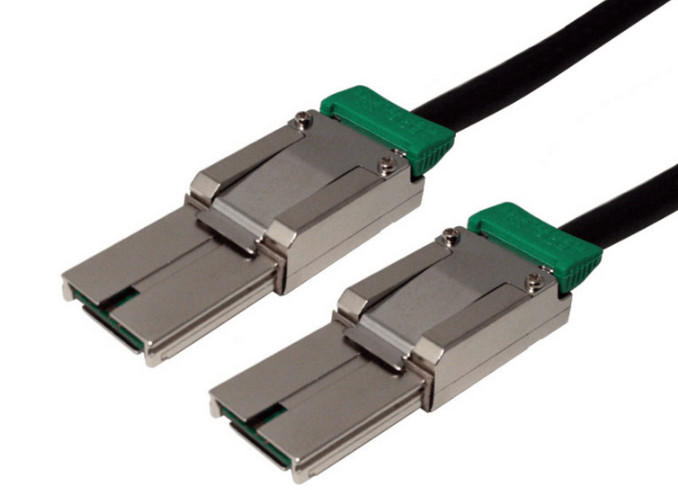
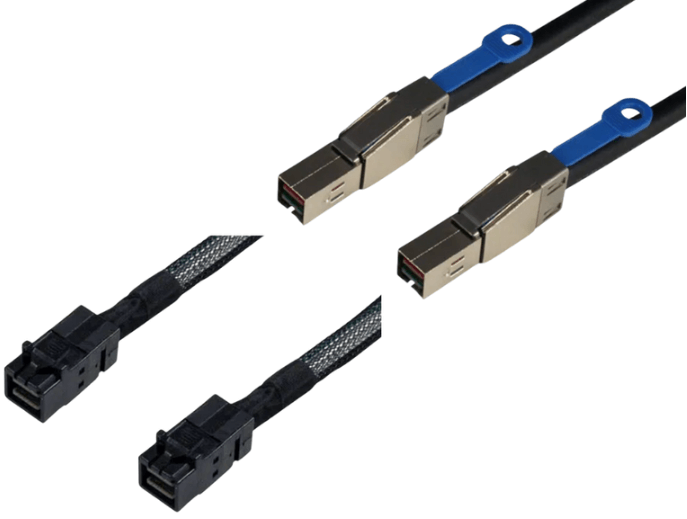
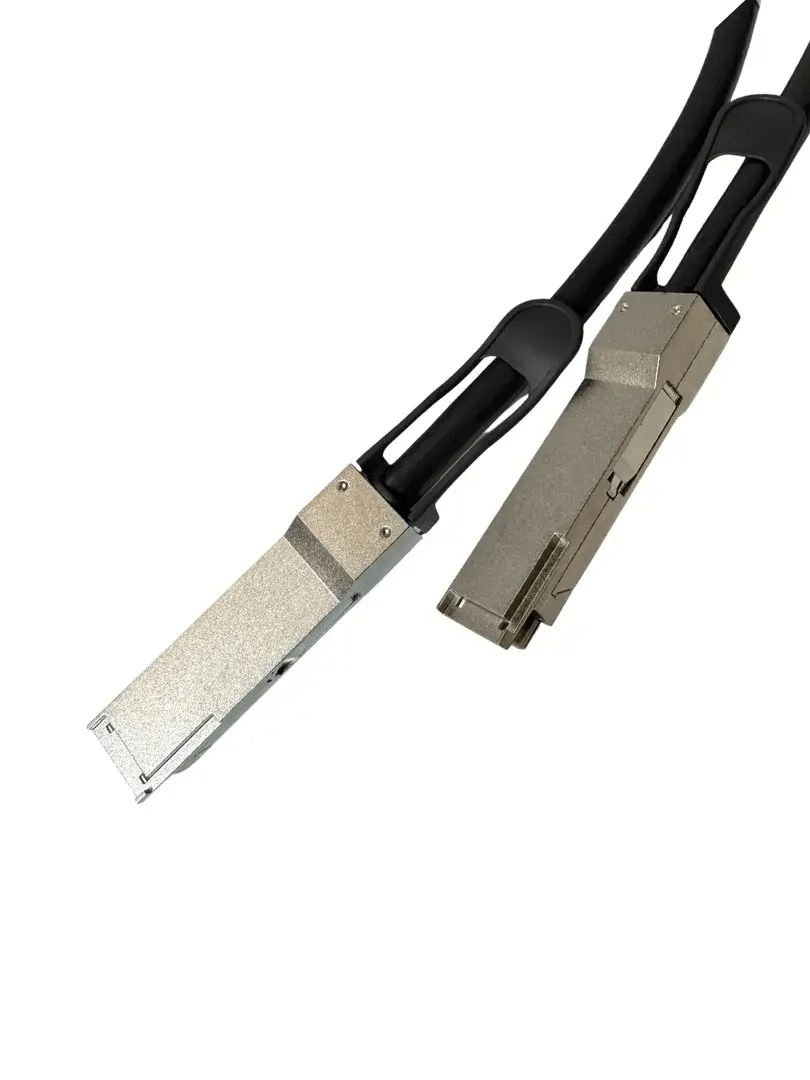
An 800G interface is built from multiple high speed electrical lanes grouped into a single logical port. In breakout mode, these lanes are divided into two distinct channel groups, each supporting a separate 400G connection. The breakout DAC assembly contains one high density connector on the switch side and two downstream connectors, each wired to a defined subset of lanes.
The cable performs passive lane mapping. No signal processing or retiming occurs inside the assembly. Once the switch operating system enables 2 x 400G mode, the hardware treats each lane group as an independent MAC and PHY instance. From a configuration standpoint, the original 800G port appears as two discrete 400G interfaces.
Improving Port Utilization in Dense Racks
Many deployments include a mix of 800G capable switching platforms and 400G servers, NICs, or aggregation switches. Without breakout capability, an 800G port connected to a single 400G device leaves half of the electrical capacity unused.
By deploying an 800G to 400G x2 DAC, operators effectively double the number of usable 400G connections per physical port. This increases connection density at the rack level and reduces the need for additional line cards or switch units. In large scale data centers, optimizing per port utilization directly influences power efficiency and rack space planning.
Supporting Phased Bandwidth Upgrades
Infrastructure refresh cycles are rarely synchronized across an entire environment. Breakout cables allow a new 800G spine or top of rack switch to interoperate with existing 400G endpoints during transitional periods.
As downstream systems are upgraded to native 800G capability, the same physical switch ports can be reconfigured and connected using straight through 800G DAC or optical links. This approach protects capital investment in switching hardware while enabling gradual migration to higher speeds.
Electrical Performance and Signal Integrity
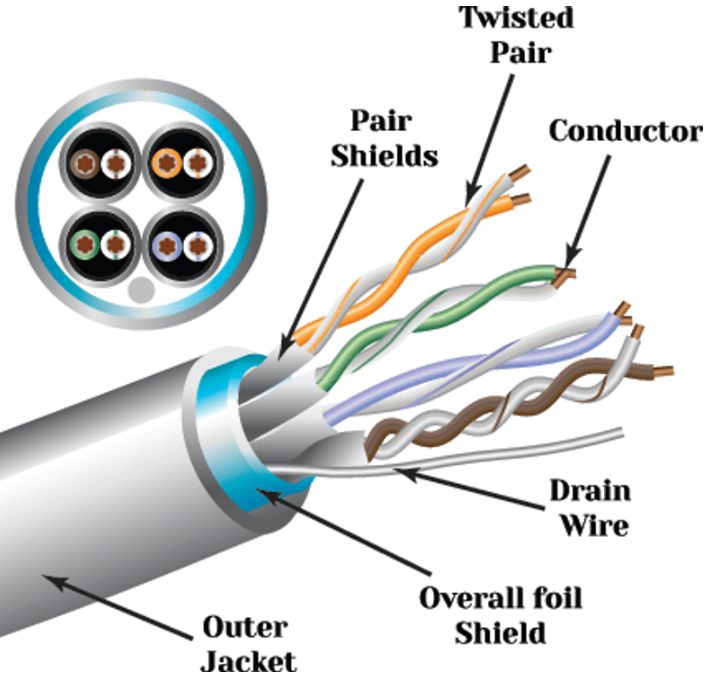
Passive DAC breakout cables are designed for short reach interconnects, typically within the same rack. At 400G and 800G data rates, maintaining controlled impedance, pair balance, and effective shielding is critical.
Because the assembly contains no active components, latency remains consistent and power consumption is minimal compared to optical solutions that require transceivers. The absence of active circuitry also reduces potential failure points, improving predictability in high density deployments.
Cable length must remain within the supported specification to ensure acceptable insertion loss and crosstalk margins. Proper routing that respects bend radius limits helps preserve signal integrity across all lanes.
Operational Simplicity and Reliability
Breakout DACs reduce complexity relative to optical breakout configurations. There are no pluggable optics to manage, no firmware dependencies within the cable, and no additional power draw from transceiver modules. This simplicity is valuable in hyperscale and enterprise environments where repeatable deployment models are required.
Clear labeling of each 400G leg is recommended to avoid configuration errors, especially when both native 800G and breakout connections coexist in the same rack.
Common Deployment Environments
-
Top of rack and end of row switches in mixed speed data centers
-
Spine leaf architectures undergoing incremental bandwidth expansion
-
High density racks populated with 400G network interface cards
-
AI and HPC clusters with diverse interconnect speeds
-
Lab validation platforms testing next generation Ethernet hardware
Installation and Configuration Considerations
Enable breakout mode in the switch network operating system before connecting downstream devices. Confirm that firmware and hardware revisions support 2 x 400G operation on the selected port. Route each breakout leg to minimize mechanical strain and maintain adequate airflow around switch ports. Maintain accurate port mapping documentation to simplify future upgrades to native 800G links.
FAQ (Frequently Asked Questions)
What is the primary function of an 800G to 400G x2 DAC breakout cable?
It divides one 800G switch interface into two independent 400G connections using a passive copper assembly.
Does breakout operation reduce throughput on each 400G link?
No. Each 400G leg operates at its full supported rate within the specified cable length limits.
How does a DAC breakout compare to an optical breakout solution?
DAC breakouts are limited to short distances but require no transceivers and introduce minimal additional power consumption.
Can an 800G port be reverted to native operation after using a breakout cable?
Yes. Replacing the breakout assembly with a standard 800G connection and updating the port configuration restores single port operation.