What Installers Need To Know About Mini SAS And SAS Storage Connectivity
Mini SAS and SAS storage connectivity remain foundational technologies in enterprise servers, RAID arrays, and JBOD systems. For installers, understanding how Mini SAS cabling works, where it is used, and how to deploy it correctly is essential for ensuring reliable storage performance, system scalability, and long-term serviceability. From connector types to routing best practices, Mini SAS plays a critical role in professional storage environments.
Why Mini SAS Connectivity Matters in Enterprise Storage
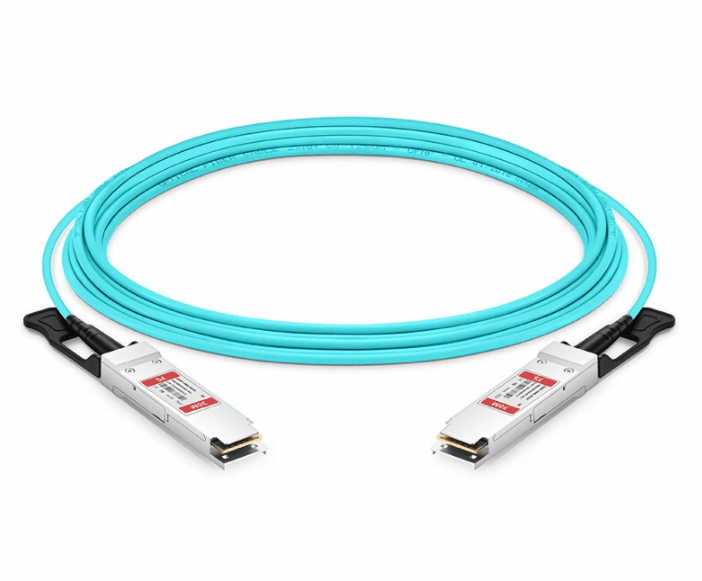
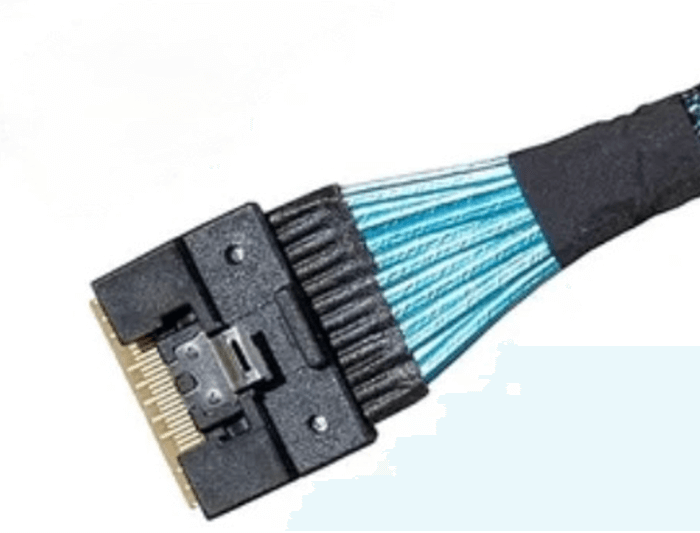
Mini SAS is a multi-lane storage interconnect designed to deliver high-bandwidth SAS and SATA communication using compact connectors. By aggregating multiple data lanes into a single cable assembly, Mini SAS reduces cabling complexity while preserving airflow and space inside dense server chassis. This makes it ideal for connecting RAID controllers, HBAs, backplanes, and external expansion enclosures in enterprise systems where predictable throughput and uptime are mandatory.
Performance and Signal Integrity Considerations
Mini SAS cables are engineered with controlled impedance, shielding, and precise conductor alignment to support SAS 3.0 speeds up to 12 Gb/s per lane. Proper signal integrity depends on using certified cables, maintaining correct cable lengths, and avoiding excessive bends or mechanical stress. In electrically noisy rack environments, these factors are critical to minimizing crosstalk, insertion loss, and intermittent link errors.
Internal vs External Mini SAS Cabling
Installers must clearly distinguish between internal and external Mini SAS cables:
-
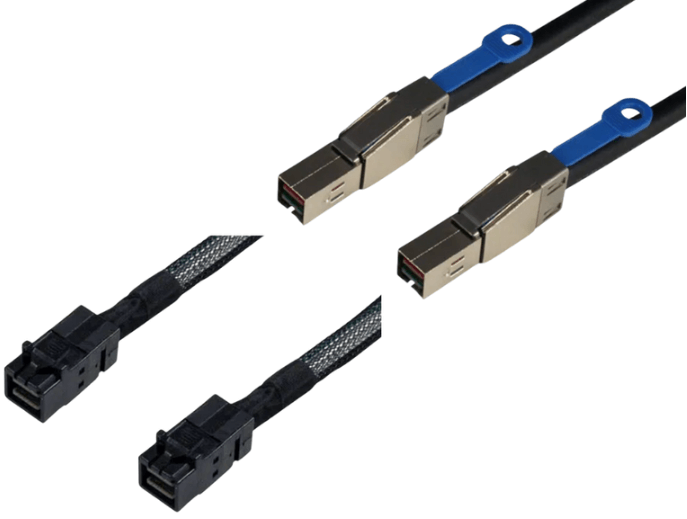
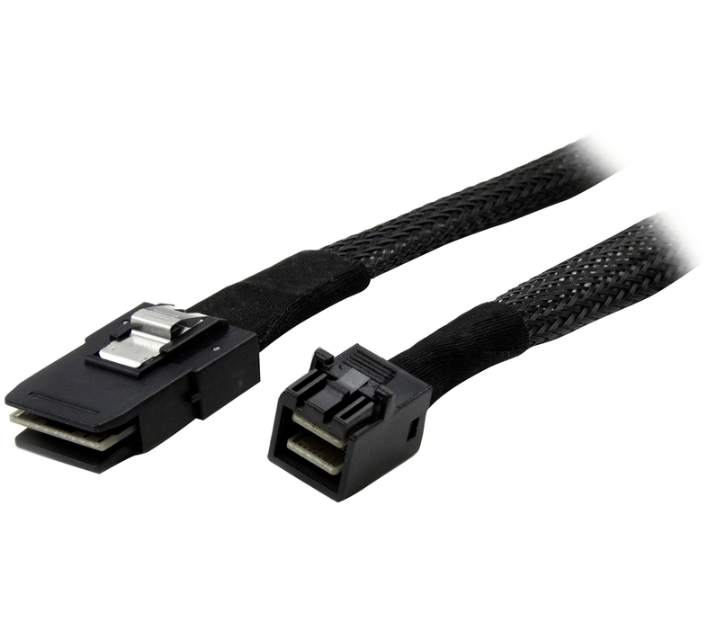
Internal Mini SAS (SFF-8087) is used inside the chassis to connect controllers to backplanes or drive cages.
-
External Mini SAS (SFF-8088) is designed for server-to-enclosure connections and includes additional shielding and mechanical robustness.
These cable types are not interchangeable, and incorrect selection can lead to connection failures or degraded performance.
Deployment in JBOD and RAID Storage Systems
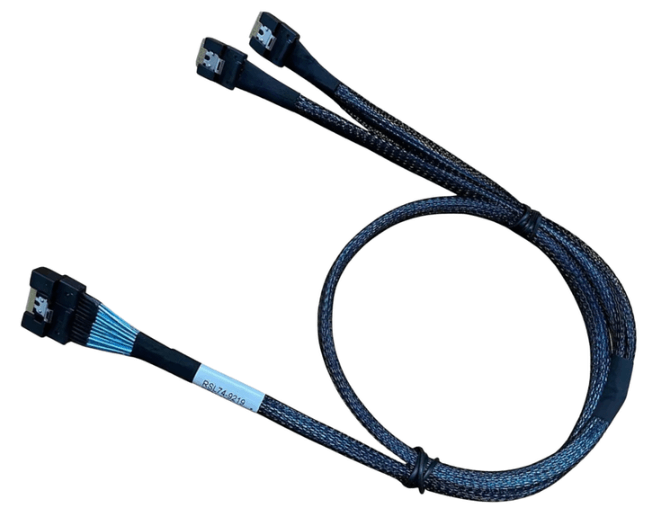
Mini SAS is widely deployed in JBOD expansion systems, RAID storage platforms, and enterprise servers. It supports point-to-point connectivity, multi-drive breakout configurations, and scalable storage expansion without redesigning the core system. This flexibility allows installers to adapt storage layouts while maintaining consistent performance across mixed hardware environments.
Installation and Best Practice Guidelines
To ensure long-term reliability, installers should follow these best practices:
-
Use the shortest cable length that meets routing requirements
-
Maintain proper bend radius and avoid cable pinching
-
Provide strain relief at both connector ends
-
Keep data cables separated from high-power wiring
-
Verify connector orientation and secure engagement
Certified Mini SAS assemblies are strongly recommended for enterprise installations where uptime and compatibility are critical.
FAQ (Frequently Asked Questions)
What is Mini SAS used for?
Mini SAS is used to connect RAID controllers, HBAs, storage backplanes, and JBOD systems in enterprise storage environments.
What connectors are common in Mini SAS cabling?
The most common connectors are SFF-8087 for internal connections and SFF-8088 for external enclosure-to-enclosure links.
What speeds does Mini SAS support?
Mini SAS typically supports SAS 3.0 data rates up to 12 Gb/s per lane when installed within specification.
Is Mini SAS still relevant with newer interfaces available?
Yes. Mini SAS remains widely used due to its stability, broad hardware support, and predictable performance in enterprise storage systems.
Can Mini SAS be used with SATA drives?
Yes. Mini SAS supports both SAS and SATA protocols, depending on the controller and breakout configuration.