LSZH SAS Interconnect Architecture
LSZH SAS interconnect architecture combines high-speed storage communication with low smoke cable construction for enterprise infrastructure systems.

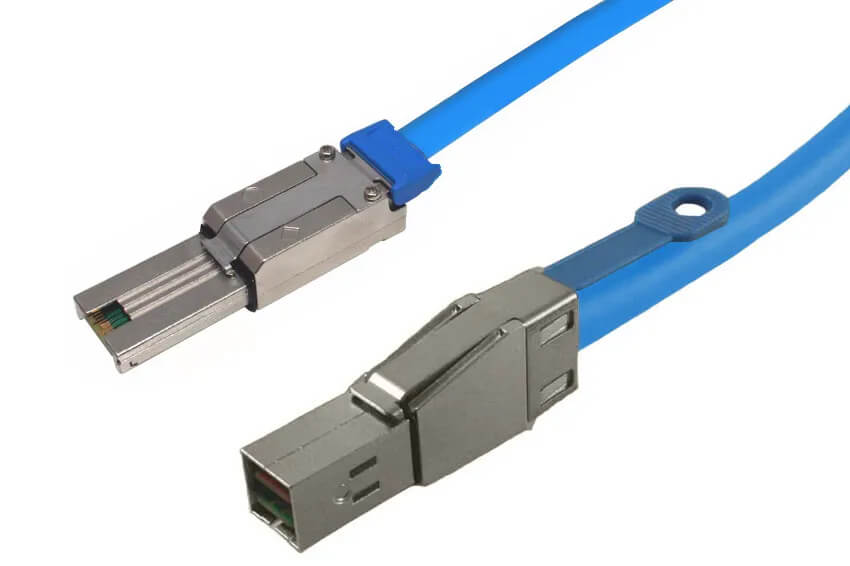
LSZH SAS interconnect architecture combines high-speed storage communication with low smoke cable construction for enterprise infrastructure systems.
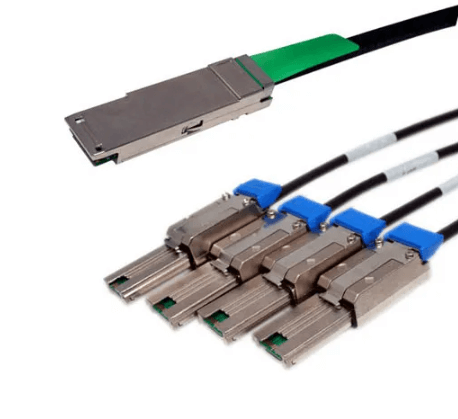
QSFP+ to Mini SAS x4 copper assemblies enable high density external SAS connectivity by mapping multiple lanes from a single QSFP+ port to independent Mini SAS wide links.
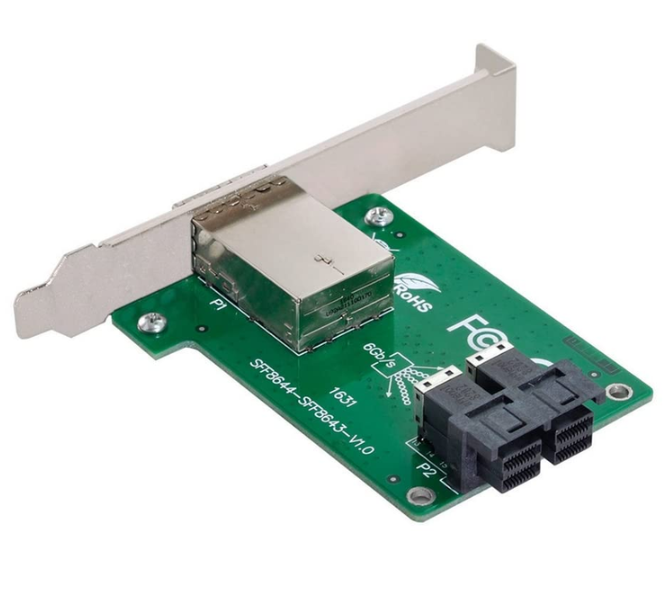
Mini SAS adapters enable efficient, protocol compatible connections between multi lane SAS controller ports and individual SAS or SATA devices in enterprise storage systems.
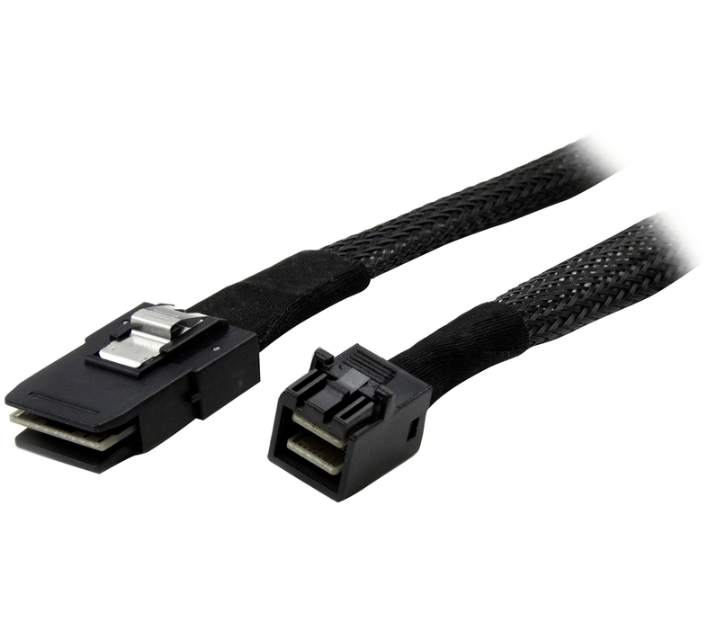
Mini SAS and SAS storage connectivity give installers a proven, high-density cabling solution for enterprise RAID and JBOD systems, delivering stable multi-lane performance, broad compatibility, and reliable storage expansion in professional server environments.
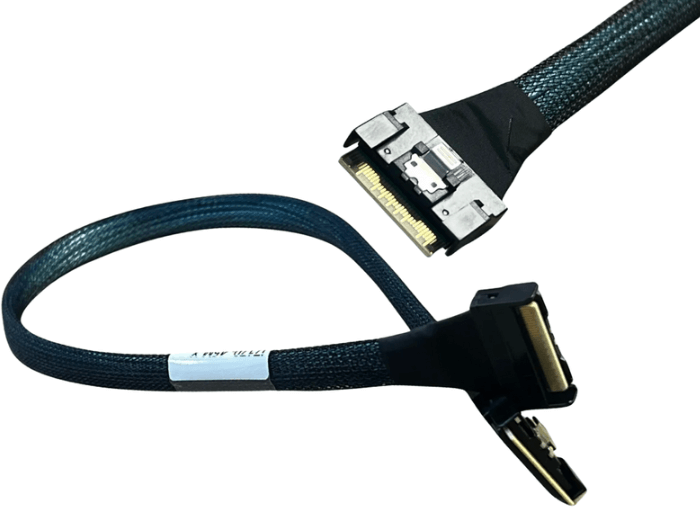
OEMs and integrators designing with MCIO must account for signal integrity, pinout compatibility, cable length, airflow, mechanical support, and future PCIe scalability to fully realize the benefits of this high-density connector standard.
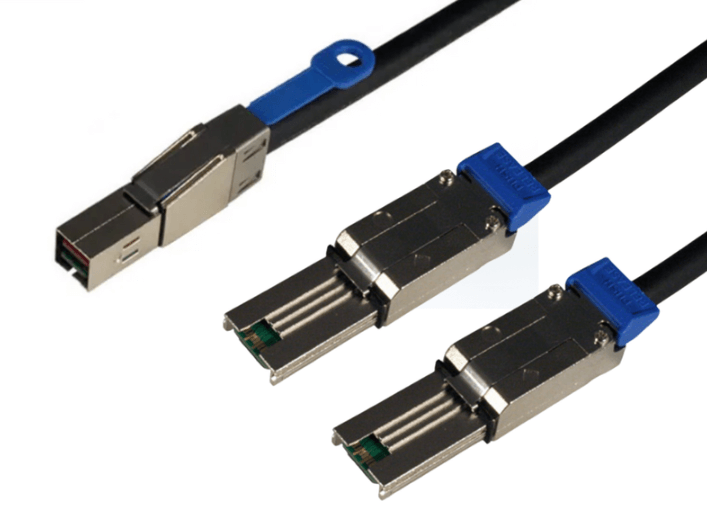
HD MiniSAS breakout configurations include fan-outs to SATA, SAS, U.2 NVMe, MiniSAS, and additional HD MiniSAS ports, with valid options determined by lane count, protocol support, and system architecture.
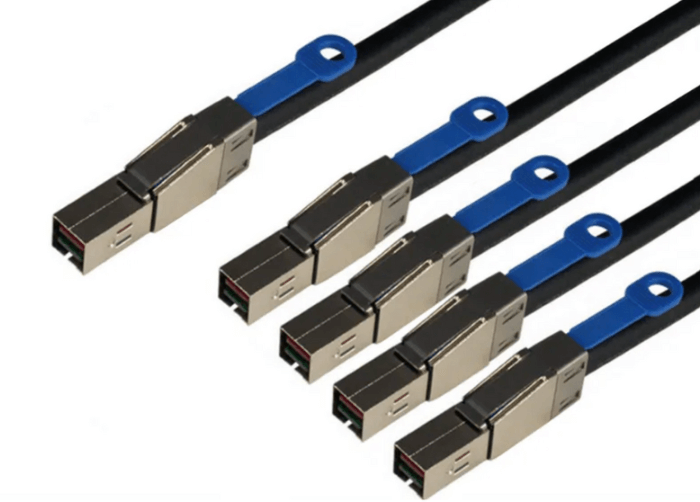
HD MiniSAS cables most often fail due to mechanical stress, heat, EMI, or poor routing, and careful handling, proper routing, and quality components are the most effective ways to prevent repeat failures.
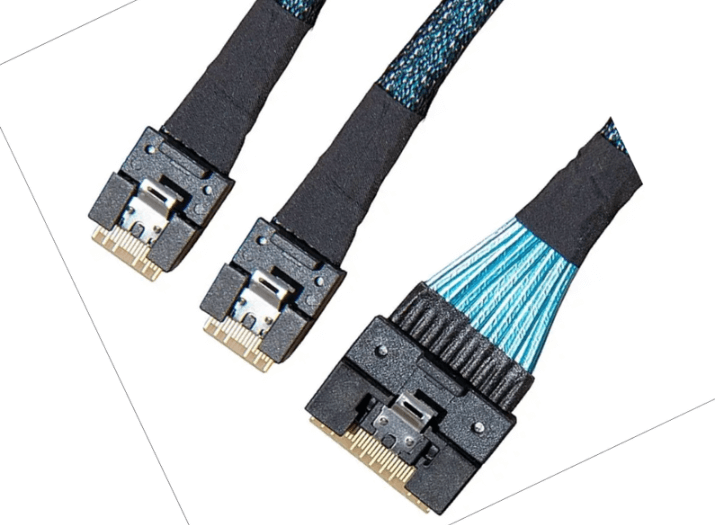
SlimSAS is becoming the preferred connector for dense storage platforms because it delivers higher lane density, better signal integrity, improved airflow, and cleaner routing for modern PCIe and NVMe based architectures.
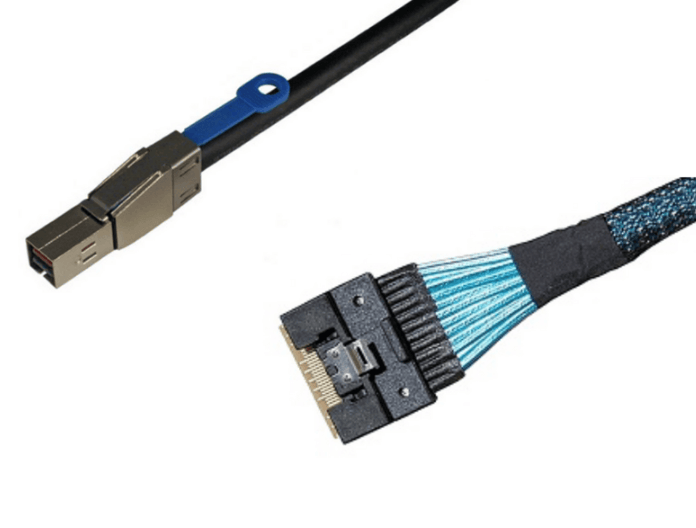
Custom-length SAS and SlimSAS cables improve high speed system performance by minimizing signal loss, reducing mechanical stress, preserving airflow, and increasing long term reliability.
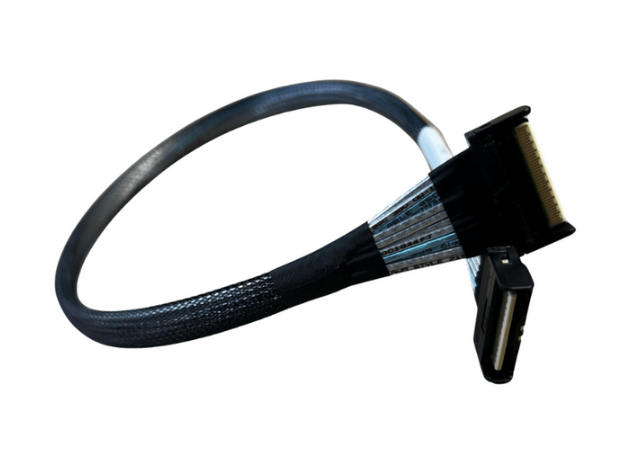
The most important specs for SAS 4.0 and PCIe Gen 5 cables are connector standard, protocol wiring, lane count, validated data rate, cable length, and construction quality, all of which directly affect signal integrity and reliability.