HD Mini SAS Active Optical Cables For 48Gb/s Connectivity
HD Mini SAS active optical cables provide up to 48Gb/s connectivity for SAS 2.1 and SAS 3.0 storage systems using SFF-8644 interfaces.

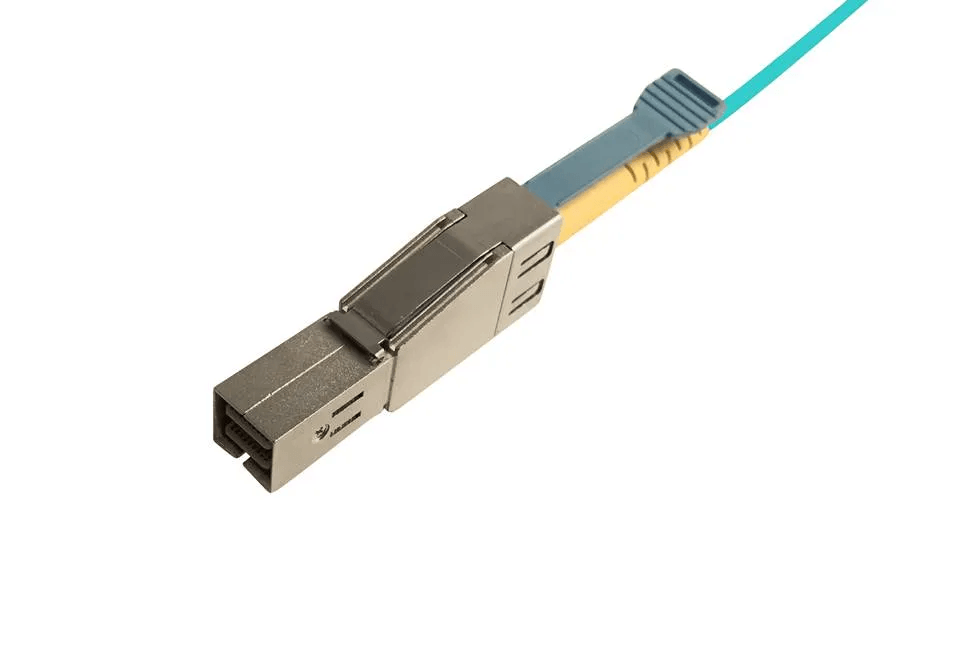
HD Mini SAS active optical cables provide up to 48Gb/s connectivity for SAS 2.1 and SAS 3.0 storage systems using SFF-8644 interfaces.
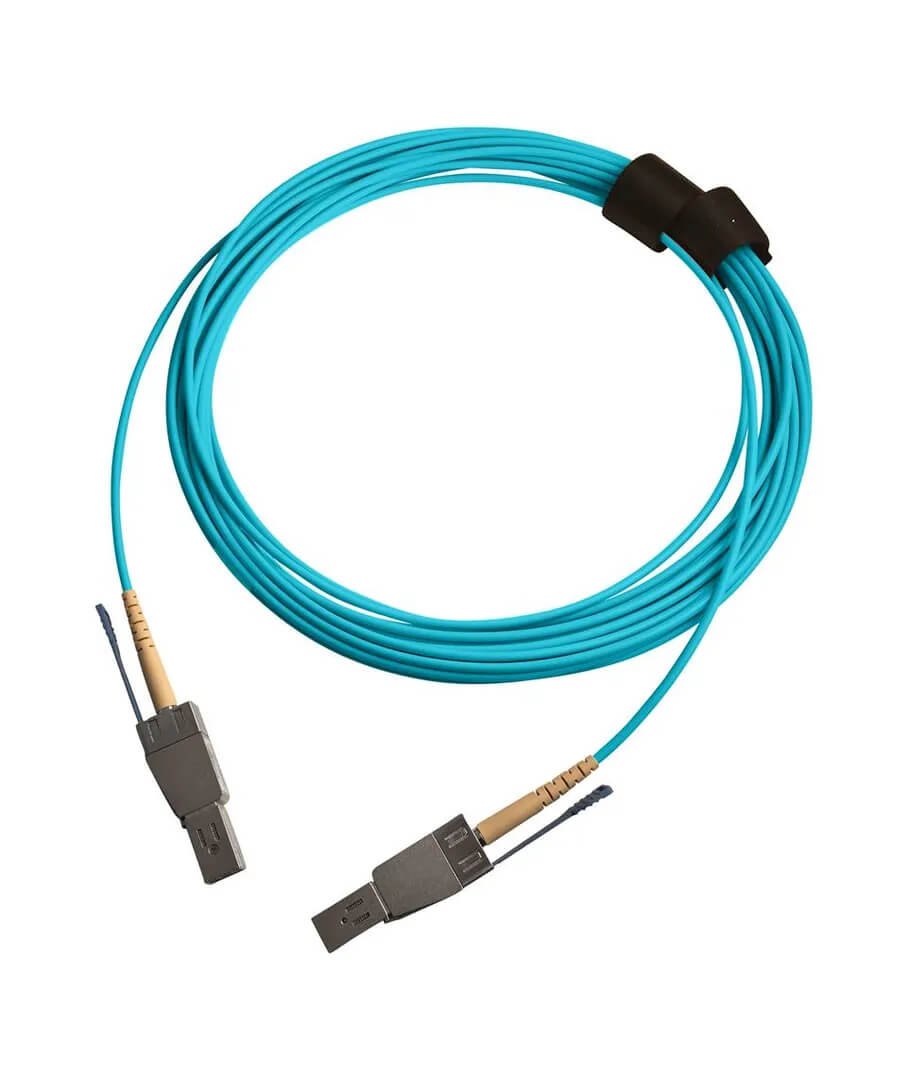
Mini SAS HD AOCs provide longer reach, improved signal integrity, and simplified cable management for modern storage and data center infrastructure.
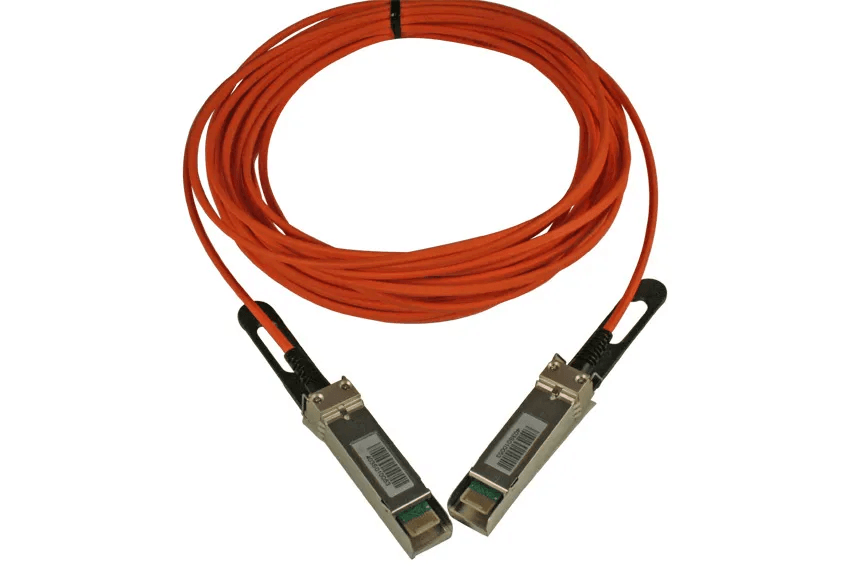
Active optical interconnect architecture combines embedded electronics and fiber transmission to support scalable high-speed networking infrastructure.
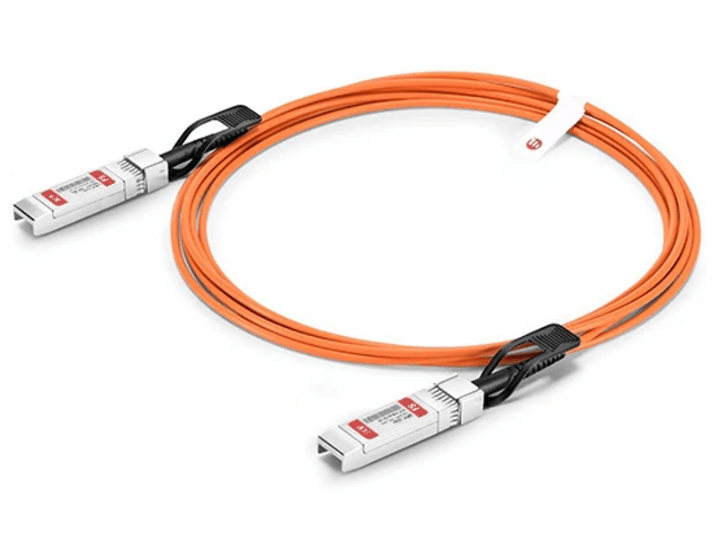
SFP+ Active Optical Cables support low latency network connectivity by combining optical transmission, EMI immunity, and stable signal integrity within a standard SFP+ form factor.
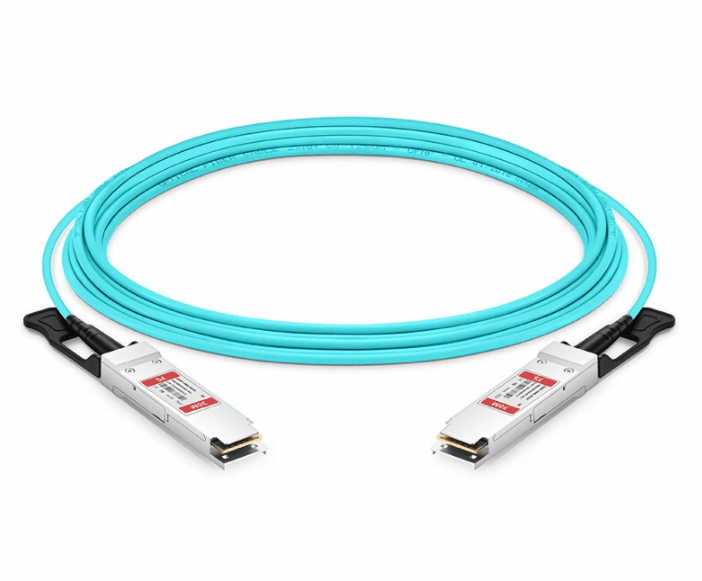
Active Optical Cables are chosen over traditional copper links when higher data rates, longer distances, and improved signal integrity are required in enterprise networking and storage environments.
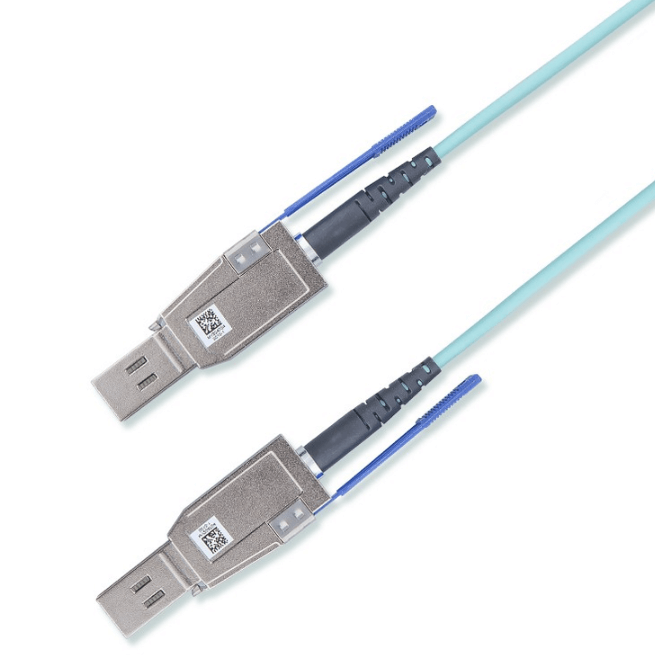
HD MiniSAS active optical cables enable high-bandwidth SAS connectivity over longer distances by replacing copper signal transmission with optical signaling, improving signal integrity, EMI immunity, and layout flexibility in enterprise and cloud storage networks.
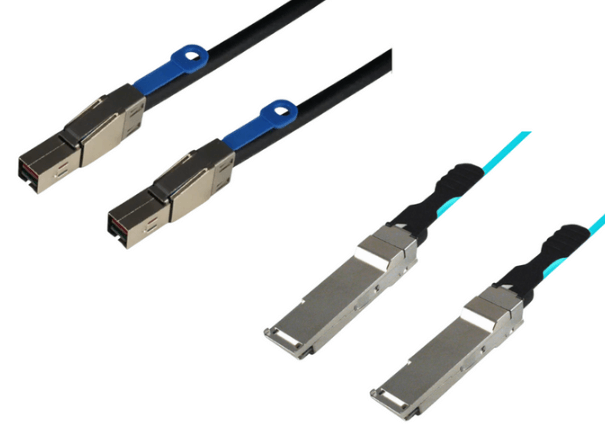
Choosing between copper and active optical cables depends on distance, bandwidth, power, and physical constraints, with copper favored for short efficient links and optical favored for longer high speed connections.
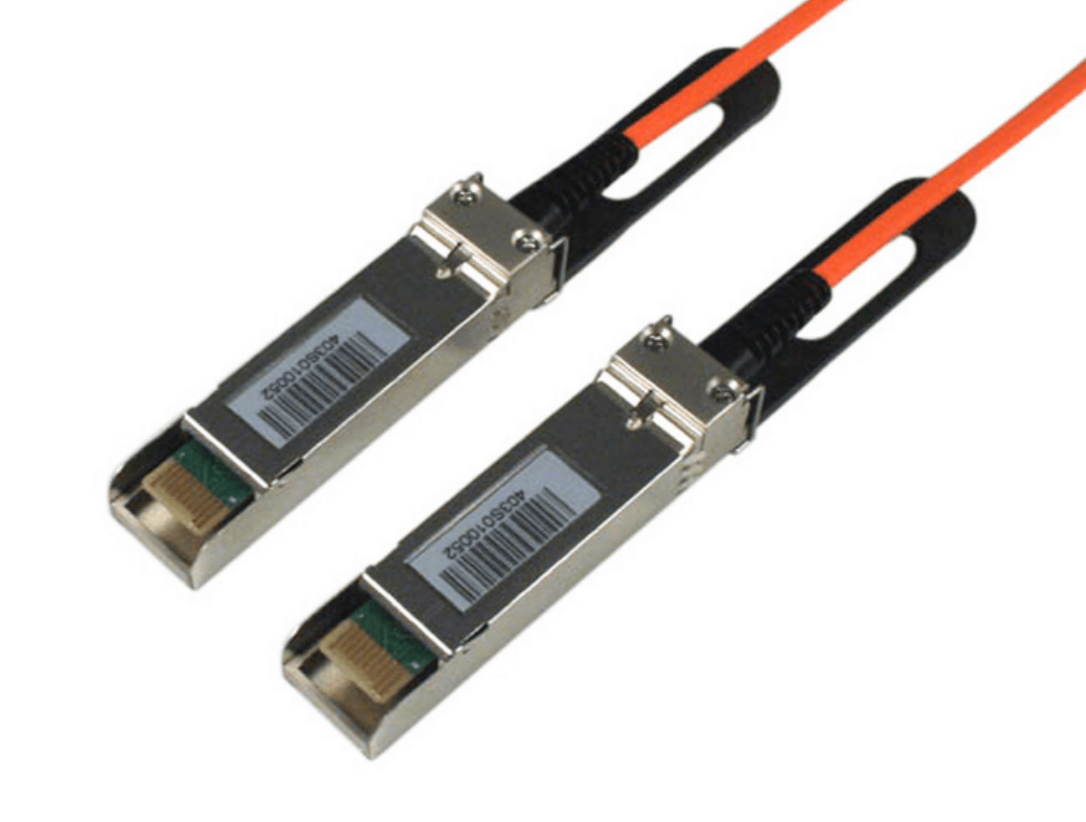
Active Optical Cables are deployed instead of DAC in modern data centers because they scale more effectively in bandwidth, distance, signal integrity, and physical cable management.