How Does The I8040X2-M OCuLink Cable Enable Proper PCIe Lane Breakout
The I8040X2-M OCuLink cable enables proper PCIe lane breakout by preserving native electrical signaling and precise lane mapping for dual x4 connectivity.

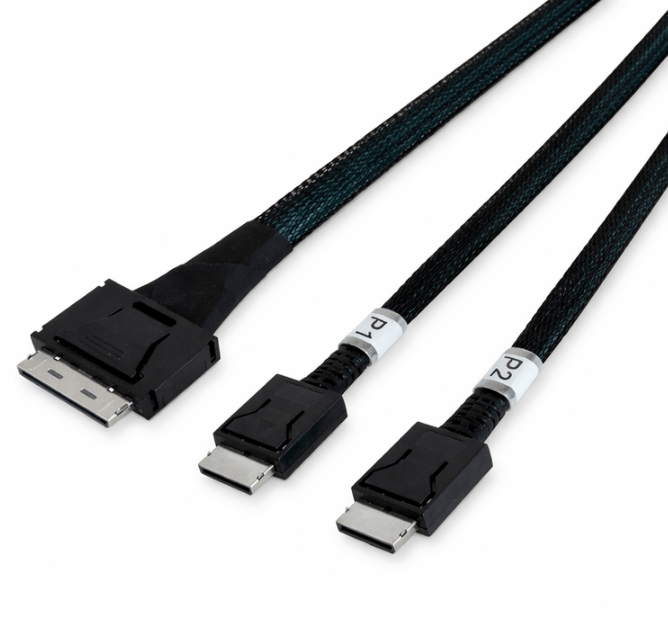
The I8040X2-M OCuLink cable enables proper PCIe lane breakout by preserving native electrical signaling and precise lane mapping for dual x4 connectivity.
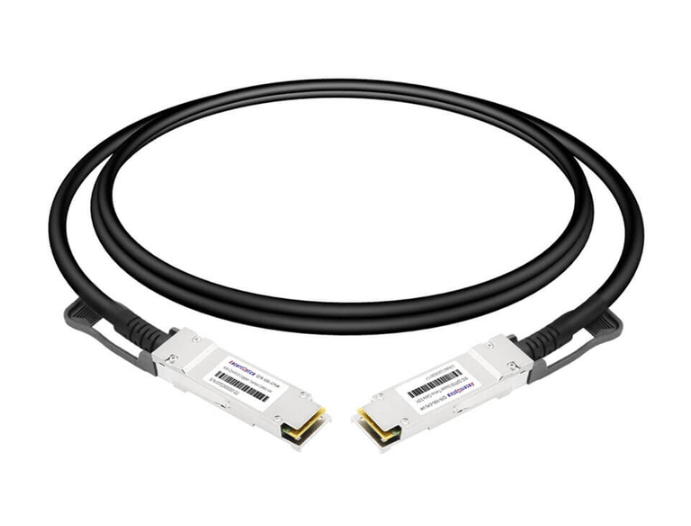
QSFP28 DAC cables are preferred for 100 Gb network links when short reach, low latency, and efficient copper based connectivity align with the physical layout of the deployment.
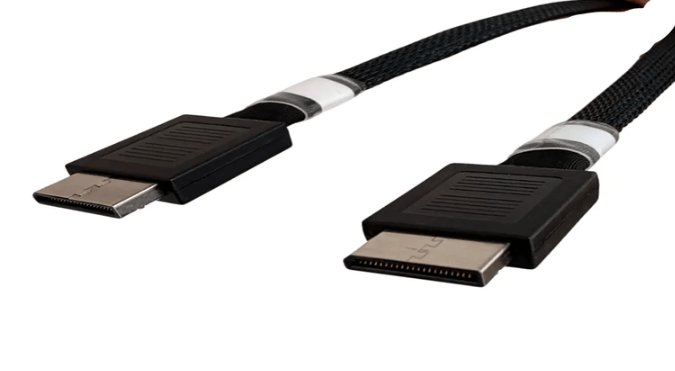
An OCuLink 8x to dual 4x breakout is preferred over a PCIe switch when direct, low latency, and efficiently allocated PCIe connectivity is required without added complexity.
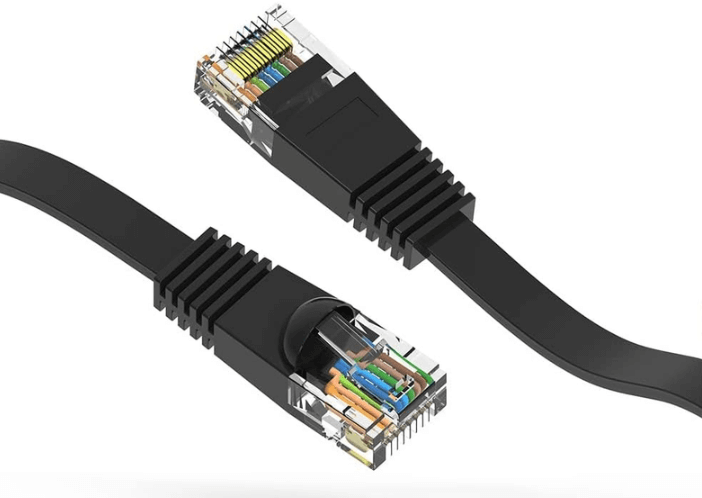
Structured networks continue to rely on Ethernet cabling because it delivers standardized, reliable, and maintainable physical connectivity across diverse enterprise environments.
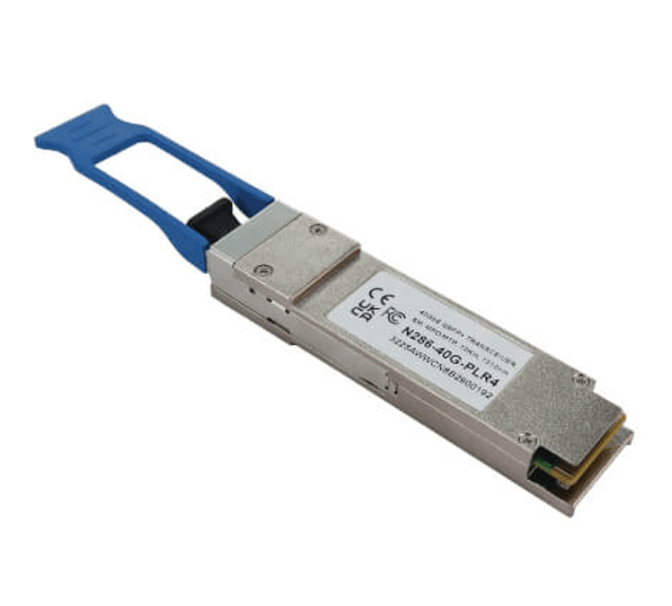
SFP and QSFP+ transceivers enable flexible, scalable, and reliable connectivity in enterprise and SAN networks by decoupling port hardware from media type, distance, and protocol requirements.
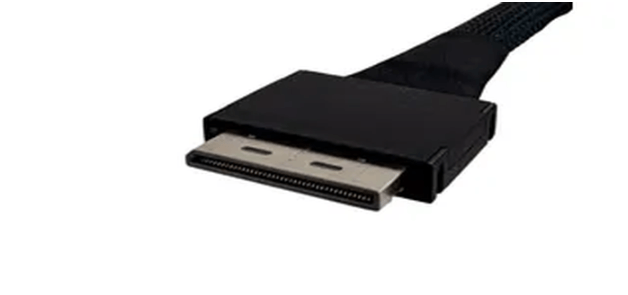
OCuLink 8x to dual 4x breakout cables scale PCIe devices by converting a single high lane count port into two independent x4 links, increasing device density without adding hardware or redesigning the platform.
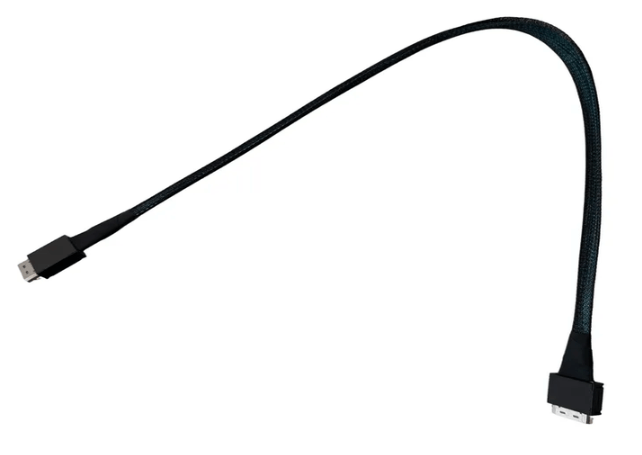
OCuLink 8x cable specifications such as signal integrity, lane matching, connector stability, and length selection are critical to achieving reliable full bandwidth PCIe 5.0 performance.
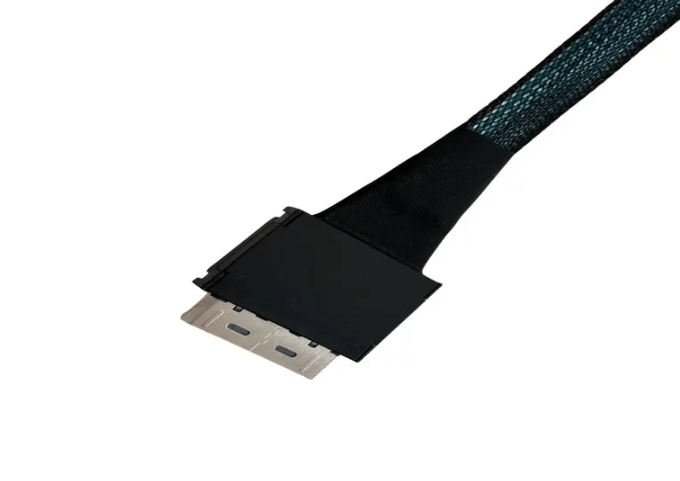
The I8080-M cable optimizes internal routing by combining compact OCuLink connectors, purpose selected lengths, and full x8 PCIe 5.0 signal integrity for clean, high throughput system builds.
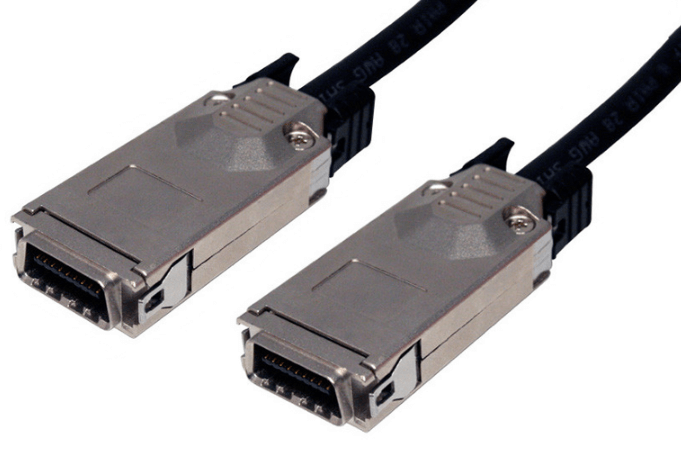
InfiniBand cabling achieves low latency and high bandwidth at scale by supporting parallel lane architectures, stable signal integrity, and RDMA based data transport across large computing fabrics.
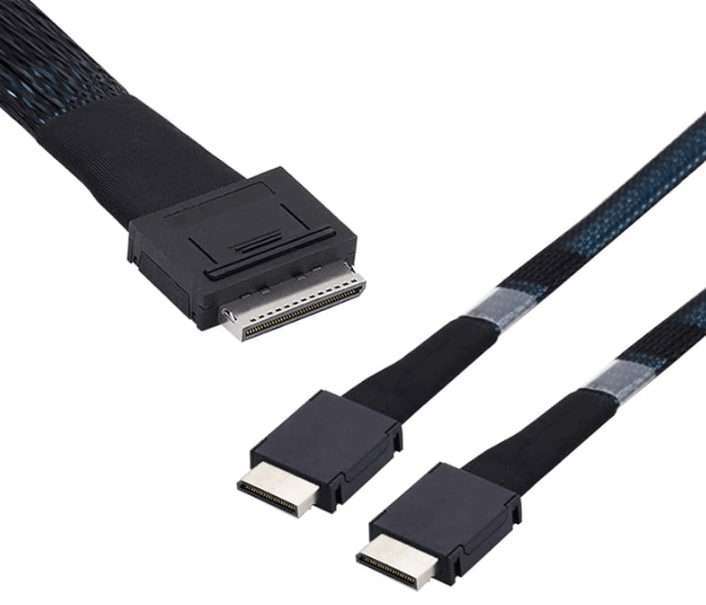
OCuLink 8x should be used instead of SlimSAS or MCIO when a high bandwidth build requires a dedicated x8 PCIe link with straightforward routing, stable signal integrity, and minimal deployment complexity.