LSZH SAS Interconnect Architecture
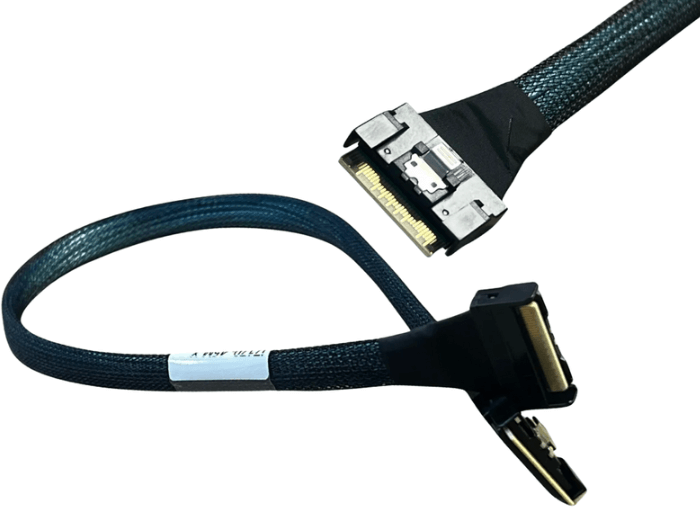
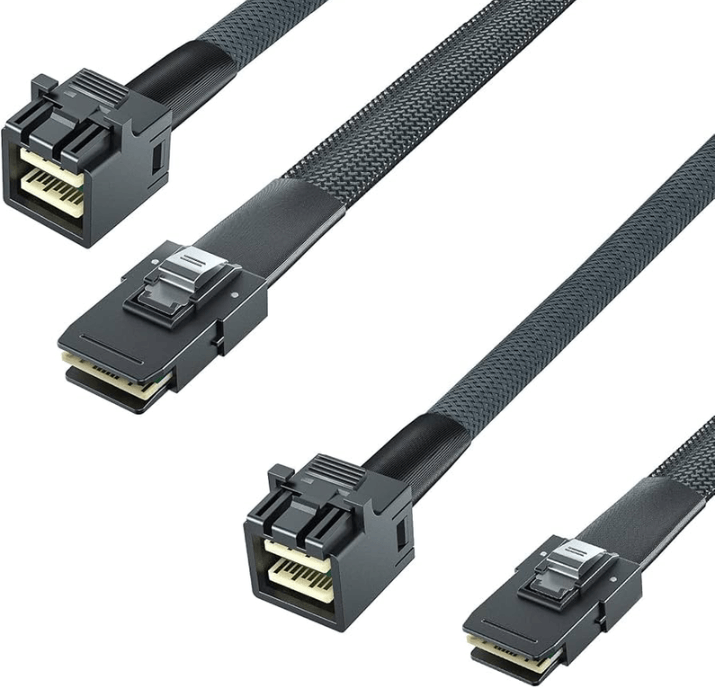
LSZH SAS cable assemblies are designed to support high-speed storage communication while reducing smoke generation and halogen emissions in enclosed environments. These interconnects are commonly used between storage controllers, backplanes, and drive arrays where stable SAS communication and environmental safety characteristics are both important. Their architecture combines multi-lane SAS signaling with low smoke zero halogen jacket construction suited for enterprise infrastructure deployments.
SAS Lane Aggregation And Storage Communication
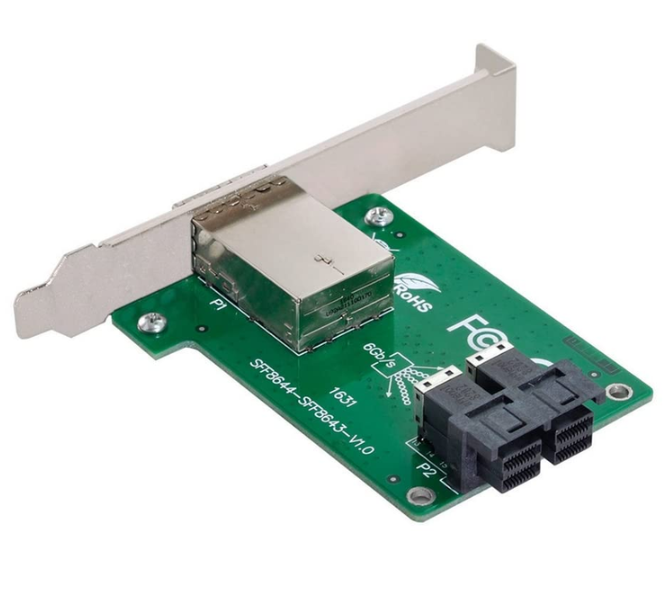
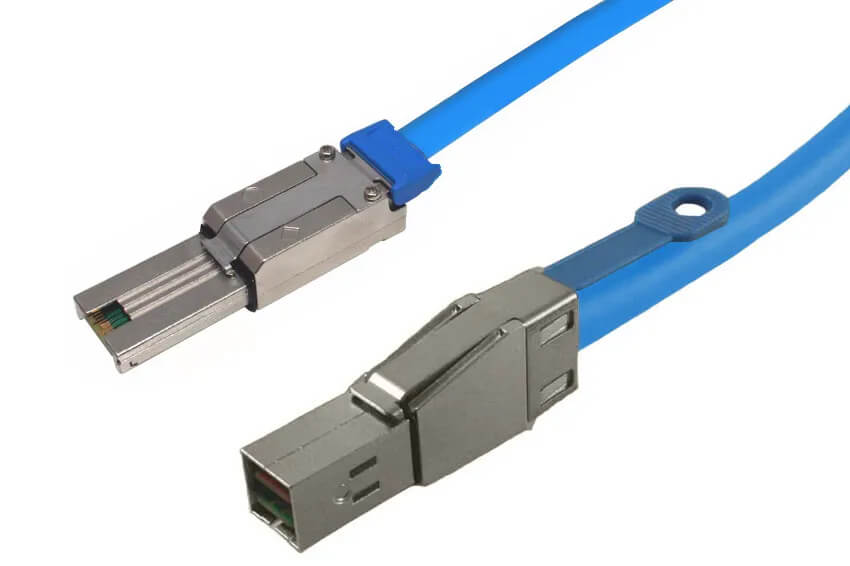
Serial Attached SCSI, commonly known as SAS, uses multiple high-speed serial lanes to transfer data between storage infrastructure components. HD Mini SAS interfaces aggregate these lanes into compact connector systems that simplify cable routing and improve storage density inside server platforms.
Connector standards such as SFF-8643 and SFF-8087 support scalable communication between controllers, expanders, and storage devices while maintaining reliable data transmission across dense hardware environments.
LSZH Jacket Composition And Safety Characteristics
Low smoke zero halogen cable jackets are engineered to reduce toxic emissions and visible smoke during exposure to high heat conditions. Compared to conventional PVC cable materials, LSZH construction produces lower levels of corrosive gas and airborne contaminants.
These characteristics are important in enterprise environments where cable installations exist within enclosed data centers, transportation systems, healthcare facilities, and other regulated infrastructure spaces.
Signal Integrity In SAS Infrastructure
SAS communication requires stable electrical behavior to maintain consistent high-speed transmission across multiple lanes. LSZH SAS cable assemblies are designed with controlled impedance, shielding structures, and optimized conductor geometry that help reduce insertion loss and crosstalk.
Reliable signal integrity becomes especially important in storage systems operating continuously under high workload conditions involving large drive arrays and RAID environments.
Electromagnetic Isolation And Shielding
Enterprise storage platforms contain processors, power systems, memory modules, and numerous storage devices operating simultaneously. Shielding layers within SAS cable assemblies help reduce interference between adjacent high-speed channels.
Minimizing electromagnetic interference contributes to stable communication between storage controllers and connected devices while helping maintain lower error rates during continuous operation.
Thermal Conditions And Cable Routing
Storage infrastructure often generates significant thermal loads due to high drive density and sustained data activity. Compact SAS cable assemblies help improve airflow by reducing cable congestion inside chassis environments.
Proper routing practices also reduce mechanical stress on the connectors while supporting organized internal layouts that simplify maintenance and hardware servicing.
Infrastructure Compatibility And Deployment
LSZH SAS cables are commonly used in systems supporting SAS 2.0 and SAS 3.0 communication standards. These assemblies are widely deployed in enterprise servers, storage arrays, RAID controllers, and modular storage platforms.
Compatibility depends on connector alignment, SAS generation support, and controller configuration within the storage infrastructure.
Mechanical Reliability And Long-Term Stability
Stable mechanical engagement is important in environments where systems operate continuously under vibration and servicing conditions. Reinforced connector housings and retention mechanisms help maintain secure connections during operation.
Reliable cable construction contributes to consistent signal transmission and reduces the risk of intermittent storage communication failures over extended deployment periods.
FAQ (Frequently Asked Questions)
What Does LSZH Mean In SAS Cabling?
LSZH refers to low smoke zero halogen cable materials designed for safer operation in enclosed environments.
Why Is Signal Integrity Important In SAS Systems?
Stable signaling is required for reliable communication between controllers and storage devices.
What SAS Interfaces Are Commonly Used?
SFF-8643 and SFF-8087 are widely used SAS connector standards.
Where Are LSZH SAS Cables Commonly Deployed?
They are used in enterprise storage systems, servers, RAID platforms, and regulated infrastructure environments.