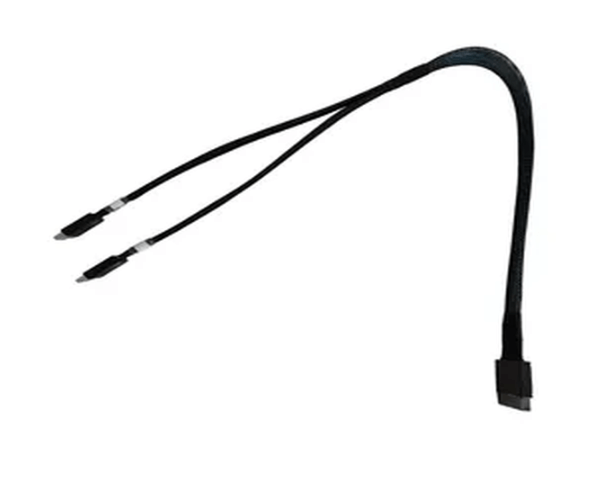

MTP MPO Fiber Breakout Architecture
MTP MPO fiber breakout architecture is designed to distribute high-density optical connections into multiple independent fiber channels for networking and storage systems. By consolidating numerous fibers within a single interface and separating them into individual LC connections, breakout assemblies simplify structured cabling and improve scalability in modern optical infrastructures. These architectures are widely used in enterprise networks, cloud environments, and data centers where high port density and efficient cable management are critical.
Multi-Fiber Backbone Distribution
MTP and MPO connectors support multiple optical fibers within a compact housing, commonly using 8, 12, or 24 fiber arrangements. This allows a single backbone cable to transport large amounts of optical traffic while minimizing physical cable bulk.
Breakout assemblies distribute these fibers into separate LC duplex connectors that interface directly with switches, transceivers, and server equipment. This transition enables centralized backbone distribution while maintaining independent communication channels for connected devices.
Optical Path Separation And Channel Allocation
Fiber breakout architecture relies on accurate mapping between trunk fibers and endpoint connectors. Each LC duplex connector receives dedicated transmit and receive fiber paths derived from the multi-fiber backbone assembly.
This separation allows multiple network links to operate simultaneously through a single consolidated trunk connection. The structured allocation of optical channels improves network organization and simplifies large-scale deployment planning.
Fiber Types And Transmission Characteristics
Breakout systems commonly use multimode OM3 or OM4 fiber for high-speed Ethernet connectivity, although single-mode configurations are also used for extended-distance applications.
Optical performance depends on maintaining low insertion loss and consistent signal propagation across all breakout paths. Precision connector alignment and controlled polishing processes help preserve stable transmission characteristics throughout the cable assembly.
Polarity Management And Signal Alignment
Proper polarity is essential in fiber networking because optical transmit and receive channels must remain correctly aligned from end to end.
MTP MPO breakout assemblies are manufactured using predefined polarity methods that maintain channel consistency throughout the optical path. Accurate polarity management reduces deployment errors and improves interoperability between network components.
Density Optimization In Data Center Environments
One of the primary advantages of MTP MPO breakout architecture is improved cable density. Consolidating multiple fiber links into a single trunk assembly reduces congestion inside racks, cable trays, and patching environments.
This streamlined structure supports better airflow management and improves accessibility for maintenance and future expansion within high-density installations.
Mechanical Design And Cable Routing
Fiber breakout assemblies are engineered to balance flexibility with optical stability. Protective fanout sections separate the individual LC branches while minimizing strain on internal fibers.
Maintaining proper bend radius during routing is important to avoid increased attenuation or microbending losses. Organized routing practices also simplify identification and servicing of individual optical channels.
Scalability And Modular Infrastructure Design
MTP MPO breakout systems support modular infrastructure growth by enabling scalable backbone architectures. Additional optical capacity can be integrated by expanding trunk connectivity without redesigning the complete cabling layout.
This modular approach is widely used in hyperscale computing, enterprise networking, and storage fabric environments where flexible optical distribution is required.
FAQ (Frequently Asked Questions)
What Does An MTP MPO Breakout Cable Do?
It converts a multi-fiber optical connection into multiple individual LC fiber links.
Why Are MTP MPO Connectors Used In Data Centers?
They support high-density fiber connectivity while reducing cable congestion.
What Fiber Types Are Commonly Used?
OM3, OM4, and single-mode fiber are commonly used depending on application requirements.
Why Is Polarity Important In Fiber Breakout Systems?
Proper polarity ensures transmit and receive signals remain correctly aligned.