HD Mini SAS to Mini SAS LSZH Cable Design and Deployment in Enterprise Storage Systems
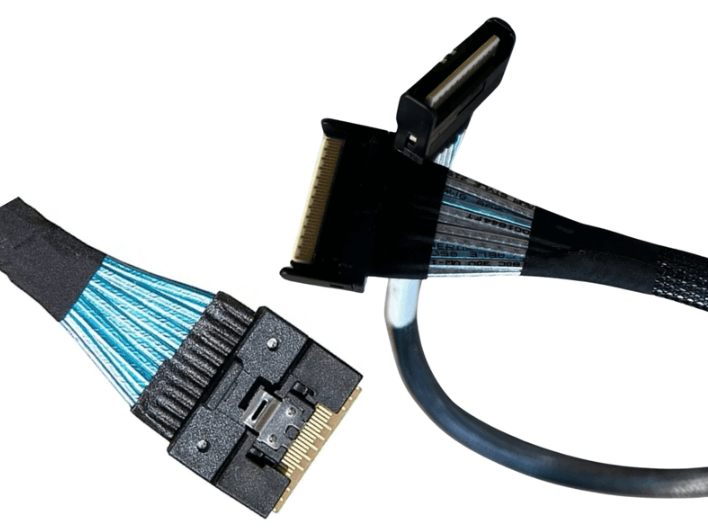
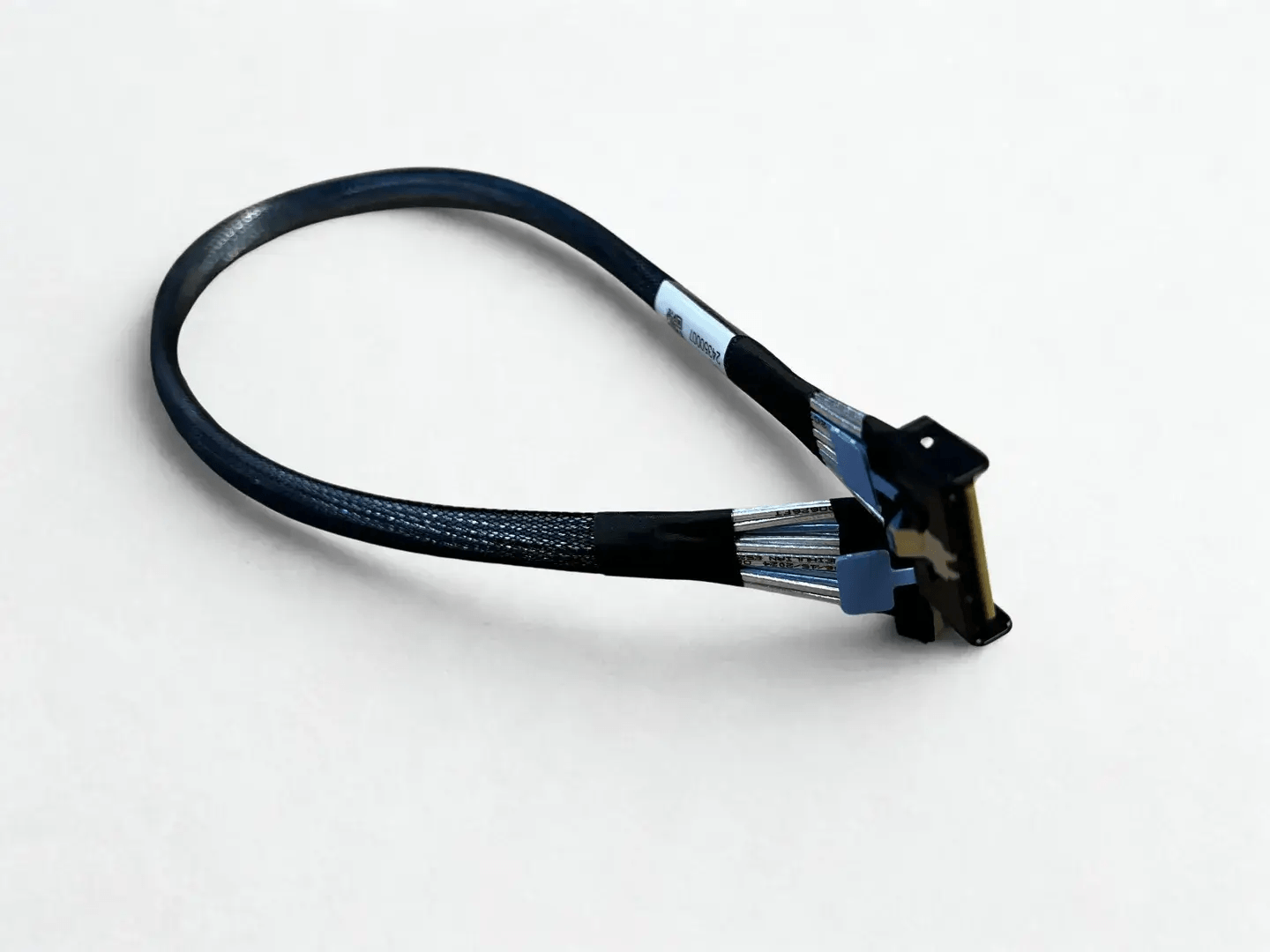
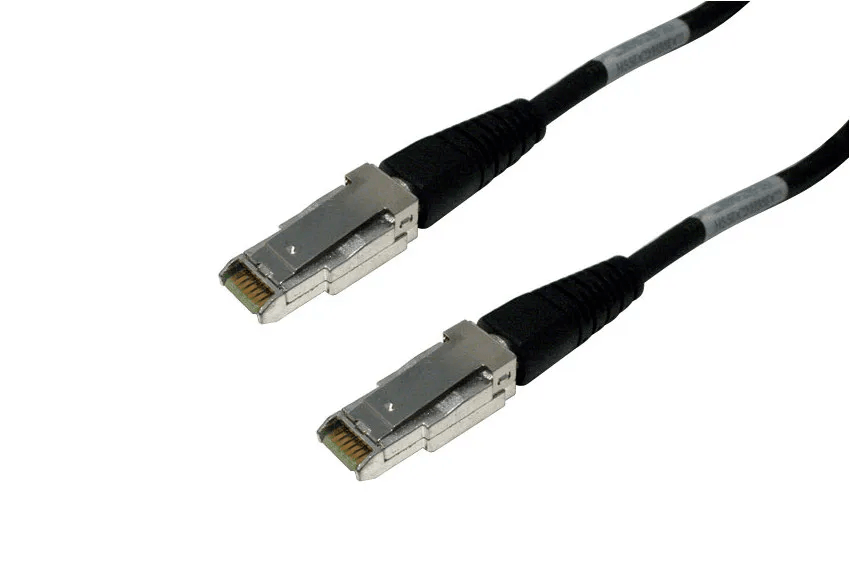
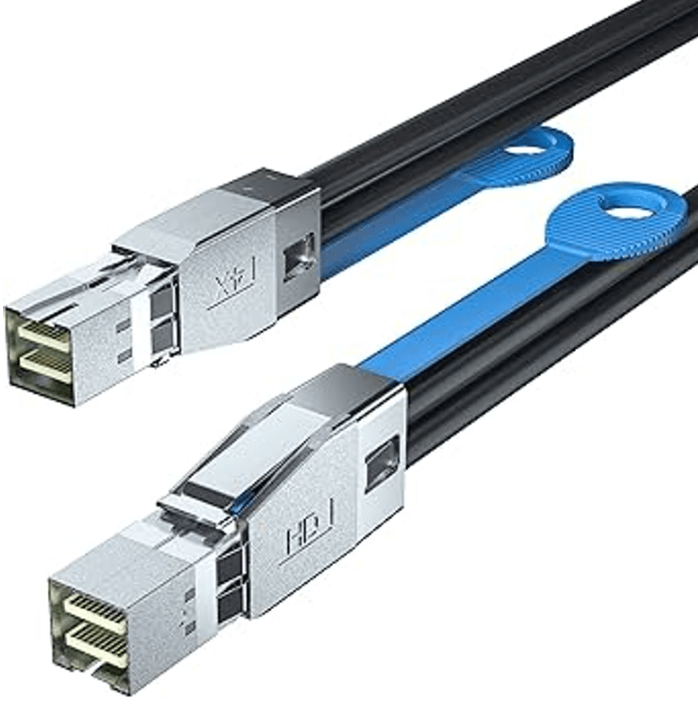
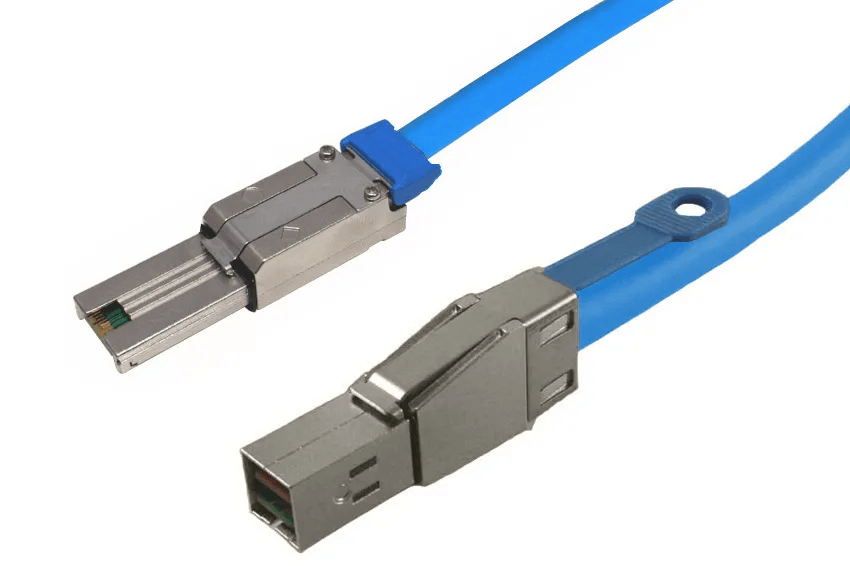
HD Mini SAS to Mini SAS LSZH cables are used to interconnect storage controllers, expanders, and backplanes that operate across different SAS connector generations. These assemblies bridge SFF-8643 interfaces to SFF-8087 connections, enabling interoperability between SAS 3.0 and SAS 2.0 infrastructure. Their low smoke zero halogen construction supports deployment in environments where fire safety, reduced toxicity, and controlled smoke emission are required.
Connector Architecture and Signal Path Design
HD Mini SAS connectors, defined by SFF 8643, are designed for higher density and improved signal integrity compared to earlier Mini SAS standards. The SFF 8087 interface remains widely used in existing storage hardware, including RAID controllers and drive backplanes.
Each cable assembly typically carries four SAS lanes, with each lane consisting of differential transmit and receive pairs. These lanes are mapped directly between connectors, ensuring consistent communication across mixed interface systems. Controlled impedance and shielding are critical to maintaining signal quality at higher data rates.
SAS Protocol Behavior and Performance Scaling
HD Mini SAS to Mini SAS LSZH cables support both SAS 2.0 and SAS 3.0 standards:
- SAS 2.0 supports up to 6 Gb per second per lane
- SAS 3.0 supports up to 12 Gb per second per lane
In mixed environments, the link automatically negotiates to the highest mutually supported speed. For example, when a SAS 3.0 controller is connected to a SAS 2.0 backplane, the connection will operate at 6 Gb per second per lane.
Signal integrity requirements become more stringent at higher speeds, requiring high quality cable materials, precise conductor geometry, and effective shielding.
LSZH Material Properties and Safety Compliance
Low smoke zero halogen cable jackets are engineered to reduce environmental and safety risks during fire events. Unlike PVC based jackets, LSZH materials:
- Produce minimal smoke when exposed to heat
- Do not emit halogen based toxic gases
- Reduce corrosive residue that can damage nearby equipment
These properties make LSZH cables suitable for regulated environments such as data centers, transportation systems, healthcare facilities, and industrial installations.
Mechanical Design and Routing Constraints
Internal SAS cables must be routed within confined chassis spaces while maintaining airflow and serviceability. Key mechanical considerations include:
- Maintaining proper bend radius to avoid signal degradation
- Ensuring secure connector engagement through latching mechanisms
- Avoiding cable paths that obstruct cooling airflow
- Minimizing mechanical stress on connectors and ports
The compact design of SFF 8643 connectors supports high port density, while SFF 8087 ensures compatibility with legacy systems.
Compatibility and Backward Integration
HD Mini SAS to Mini SAS LSZH cables are designed to support interoperability between different SAS generations. Compatibility depends on:
- Matching connector types between controller and backplane
- SAS protocol support on both ends
- Proper lane mapping within the cable assembly
These cables also support SATA devices when used within SAS infrastructure, provided that the controller and backplane support SATA tunneling protocols.
Typical Deployment Environments
These cable assemblies are commonly deployed in:
- Enterprise servers with mixed generation SAS components
- RAID and HBA controllers connected to legacy backplanes
- Storage arrays requiring internal multi lane SAS connectivity
- Data centers with LSZH compliance requirements
- Industrial and transportation systems with safety regulations
Such environments require both performance reliability and adherence to safety standards.
Best Practices for Deployment
When integrating HD Mini SAS to Mini SAS LSZH cables:
- Verify connector compatibility before installation
- Confirm expected SAS link speeds and protocol support
- Use appropriate cable lengths to maintain signal integrity
- Route cables to preserve airflow within the chassis
- Select LSZH variants where fire safety compliance is required
Proper planning and validation help ensure stable and predictable storage system performance.
FAQ (Frequently Asked Questions)
1. Can these cables connect SAS 3.0 controllers to SAS 2.0 backplanes?
Yes, they support mixed generation connections, with performance limited to the lower standard.
2. What is the main benefit of LSZH cable jackets?
They reduce smoke and eliminate halogen gas emissions, improving safety in enclosed environments.
3. Are SFF 8643 and SFF 8087 directly interchangeable?
No, a proper cable assembly is required to map signals between the two connector types.
4. Do these cables support SATA drives in SAS systems?
Yes, SAS infrastructure supports SATA devices if the controller and backplane are compatible.