Signal Integrity and Performance of HSSDC2 Cables in 2G Fibre Channel
HSSDC2 cables are copper interconnect assemblies used in 2G Fibre Channel environments that require consistent electrical performance over short to moderate distances. These cables connect storage controllers, RAID subsystems, and SAN switches in legacy enterprise infrastructures. Their design supports controlled impedance and shielding characteristics necessary to maintain stable Fibre Channel signaling at 2 Gb speeds.
HSSDC2 Interface Characteristics in 2G Fibre Channel Systems
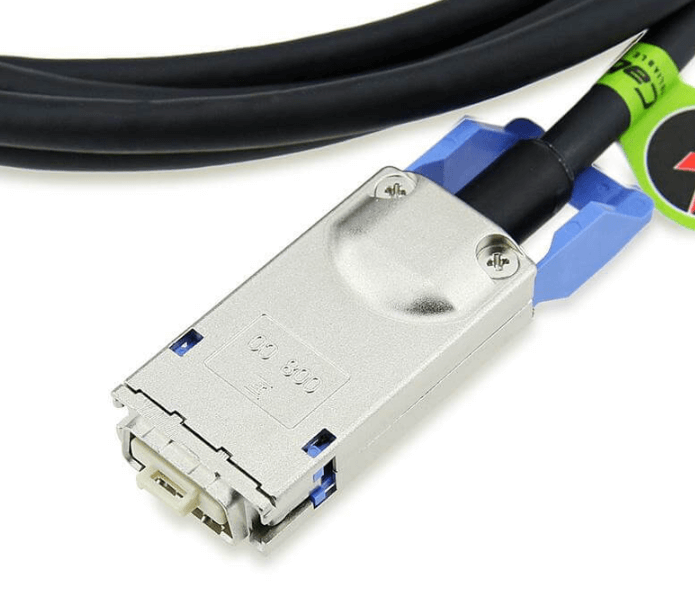
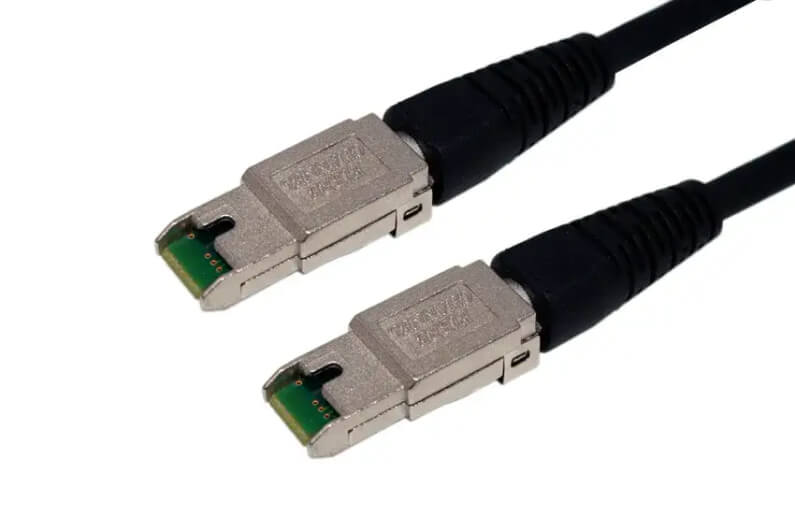
The High Speed Serial Data Connector 2 interface was developed to support compact, high density serial data transmission. In 2G Fibre Channel systems, HSSDC2 connectors provide a mechanically secure and electrically stable connection between host bus adapters, storage arrays, and switching equipment.
The connector geometry and pin layout are engineered to support differential signaling with proper impedance control. This alignment with Fibre Channel electrical requirements enables reliable copper based communication without the need for optical modules in short reach deployments.
Electrical Performance and Signal Integrity Control
Maintaining signal integrity at 2 Gb data rates requires careful management of insertion loss, return loss, and crosstalk. HSSDC2 cable assemblies are constructed with shielded copper conductors and precise termination methods to reduce electromagnetic interference in dense rack environments.
Consistent impedance along the cable path helps prevent signal reflections that can degrade link stability. Shielding and grounding strategies further protect against external noise sources commonly found in enterprise cabinets populated with power supplies and high speed networking hardware.
Short Range Copper Deployment Scenarios
HSSDC2 cables are typically deployed where link distances fall within the performance envelope of copper interconnects. Common examples include controller to disk array connections, switch to storage chassis links, and expansion module attachments within the same rack or adjacent cabinets.
In these scenarios, copper cabling offers low latency communication and simplified hardware requirements compared to optical solutions. When distance constraints are respected, 2G Fibre Channel links over HSSDC2 remain predictable and stable.
Role in Legacy SAN Infrastructure
Many enterprise storage networks continue to operate 2G Fibre Channel equipment due to long hardware lifecycles and validated configurations. HSSDC2 to HSSDC2 cable assemblies support these environments by enabling continued interconnection between established components.
Rather than upgrading entire infrastructures, organizations often maintain existing Fibre Channel fabrics where performance and capacity remain adequate. In such systems, dependable copper connectivity remains essential for uninterrupted storage operations.
Installation and Handling Considerations
To preserve signal quality, connectors should be fully seated and secured according to equipment specifications. Excessive bending or strain near termination points should be avoided, as mechanical stress can affect long term reliability.
Selecting appropriate cable lengths helps reduce unnecessary attenuation, and organized routing practices minimize exposure to interference sources. Clear labeling is recommended in mixed generation SAN environments to prevent misidentification during maintenance.
Typical Use Cases
-
Legacy 2G Fibre Channel SAN fabrics
-
RAID controller to disk expansion connections
-
Storage array interconnects within a rack
-
Enterprise systems maintaining long lifecycle hardware
-
Data center environments using copper Fibre Channel links
FAQ (Frequently Asked Questions)
Are HSSDC2 cables still relevant in modern data centers?
They remain relevant in environments that continue to operate 2G Fibre Channel infrastructure for stability and compatibility.
Do HSSDC2 cables support higher Fibre Channel speeds?
They are primarily associated with 2G Fibre Channel systems and may not meet electrical requirements of newer generations.
What limits the distance of HSSDC2 copper links?
Signal attenuation and impedance related losses restrict practical deployment to short or moderate distances.
Can HSSDC2 cables replace optical Fibre Channel links?
They are suitable only where distance and equipment specifications allow copper connectivity.