Why did early 10GbE and InfiniBand Systems rely on CX4 Thumbscrew Cables?
Early 10 Gigabit Ethernet and InfiniBand systems relied on CX4 thumbscrew cables to deliver reliable, high bandwidth copper connectivity within racks and between closely positioned devices. At the time of their adoption, these environments required short range links with predictable electrical performance, low latency, and strong mechanical stability. CX4 copper assemblies met these requirements while aligning with the physical and electrical constraints of early high speed networking hardware.
CX4 as a Foundational High Speed Copper Interface
Before the introduction of smaller, higher density form factors, CX4 served as one of the primary interfaces for multi lane high speed signaling. The connector was designed to carry multiple differential pairs over copper, supporting the bandwidth demands of early 10GbE and InfiniBand standards. Its physical size allowed for substantial shielding, controlled impedance, and consistent pair geometry, all of which were important for maintaining signal quality at higher frequencies.
Mechanical Stability in early Rack and Chassis Designs
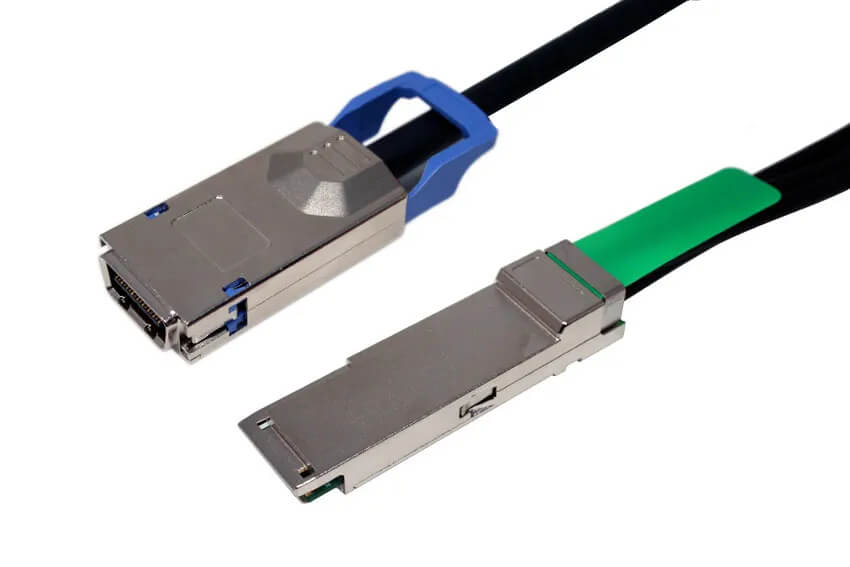
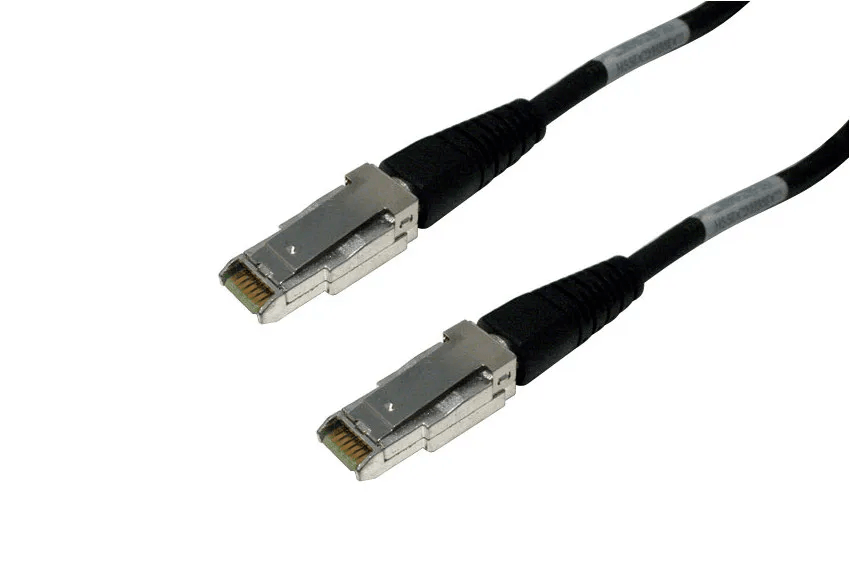
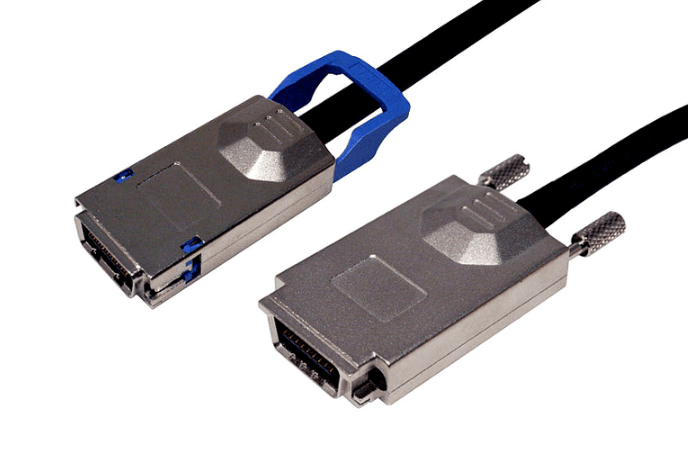
Early high speed networking platforms often featured lower port densities but heavier cable assemblies and less refined cable management. CX4 thumbscrew connectors provided a mechanically secure attachment that reduced the risk of partial disengagement caused by vibration, airflow from cooling systems, or incidental contact during maintenance. Thumbscrews applied uniform retention force between the connector and the port, ensuring that the electrical interface remained fully seated over time.
Signal Integrity Considerations at Higher Data Rates
As data rates increased, maintaining consistent connector alignment and contact pressure became critical. CX4 cables were engineered with controlled impedance conductors and robust shielding to minimize crosstalk and reflections. Mechanical retention played a direct supporting role by preventing micro movement at the connector interface, which could otherwise introduce impedance discontinuities and degrade link stability in 10GbE and InfiniBand deployments.
Compatibility with early Enterprise Hardware Ecosystems
CX4 interfaces were widely implemented across switches, host adapters, and storage platforms from multiple vendors. Thumbscrew retention accommodated slight mechanical tolerances between devices while providing repeatable engagement across different hardware designs. This made CX4 a practical choice for enterprise environments that required interoperability and long term operational consistency.
Operational and Serviceability Advantages
In data centers and lab environments, early high speed systems were frequently reconfigured as network architectures evolved. CX4 thumbscrew cables allowed technicians to positively secure and release connections without specialized tools. This balance between secure retention and serviceability supported ongoing maintenance without increasing the risk of accidental disconnection.
Common early Deployment Scenarios
CX4 thumbscrew cables were commonly used in:
-
10GbE switch to server interconnects
-
InfiniBand cluster backbones
-
Storage network uplinks
-
Enterprise racks with short range copper requirements
-
Development and validation environments
These use cases prioritized stability and predictable performance over cable reach.
Installation and Operational Considerations
Proper installation required evenly tightening thumbscrews to ensure full seating without over stressing the port housing. Cable routing practices focused on minimizing strain and avoiding sharp bends to preserve both mechanical retention and electrical characteristics. Clear labeling was often used in mixed environments to distinguish CX4 links from newer interface types.
Continued Relevance in Legacy Systems
Although later replaced by smaller and more flexible interfaces, CX4 thumbscrew cables remain in service wherever early 10GbE and InfiniBand hardware is still deployed. Their continued use reflects the long lifecycle of enterprise infrastructure and the importance of maintaining mechanically and electrically stable interconnects in legacy environments.
FAQ (Frequently Asked Questions)
What problem did CX4 thumbscrews solve in early networks?
They prevented connector movement and accidental disconnection in environments with vibration, airflow, and frequent maintenance.
Were CX4 cables chosen for performance or convenience?
Primarily for performance and stability, with convenience as a secondary benefit.
Did CX4 support long distance links?
No. CX4 was intended for short range copper connections within racks or adjacent equipment.
Are CX4 thumbscrew cables still manufactured today?
They are still produced to support legacy systems and replacement needs.