Why are Mini SAS Adapters Used to Connect SAS and SATA Devices in Enterprise Storage Systems?
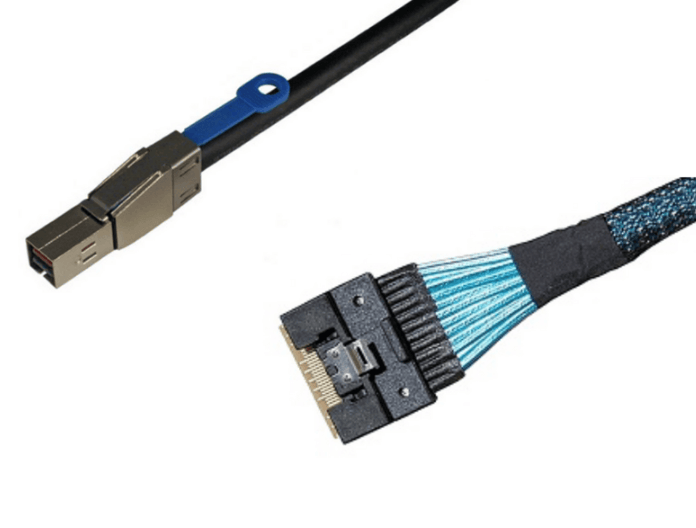
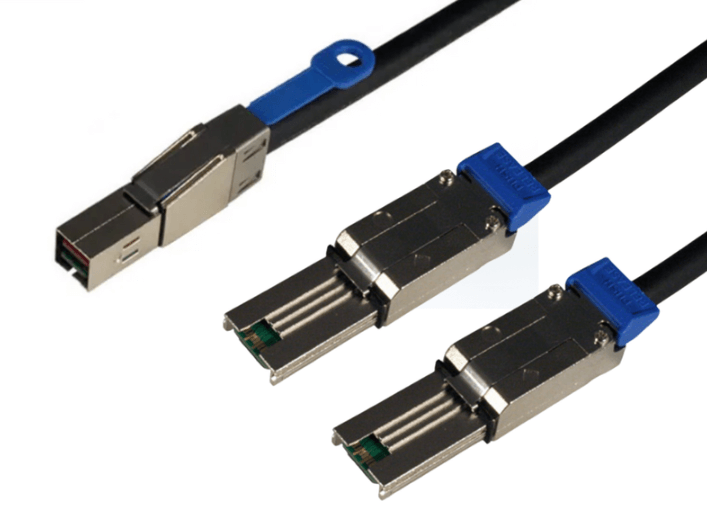
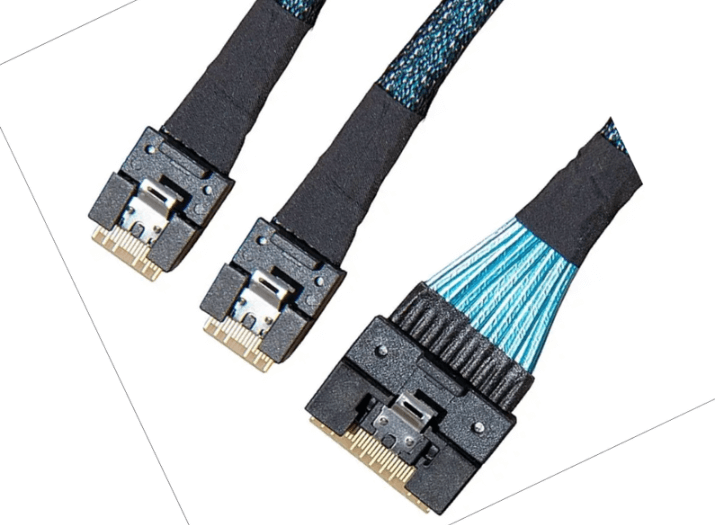
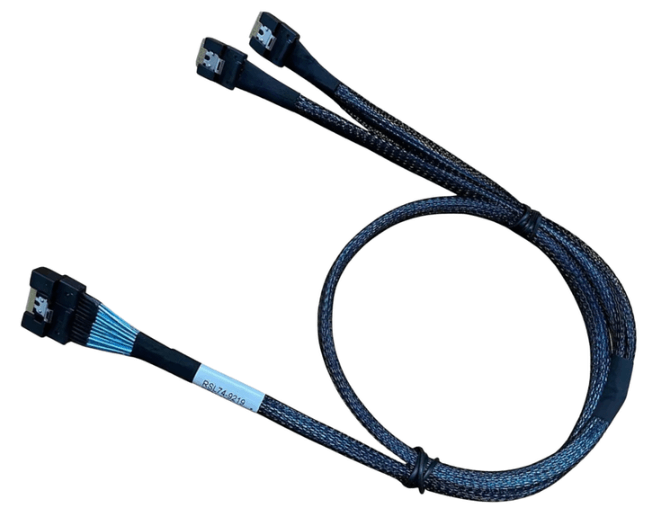
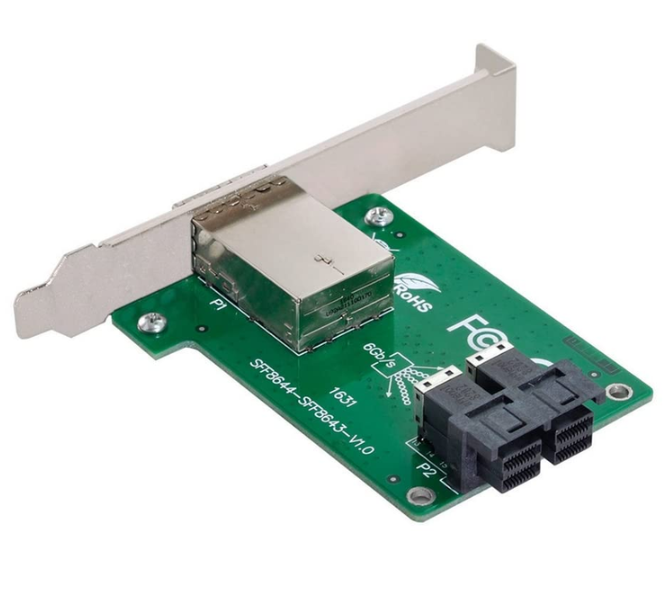
Mini SAS adapters are used in enterprise storage systems to bridge multi lane SAS controller interfaces with individual SAS or SATA devices. They allow high density Mini SAS ports to interface cleanly with drive backplanes or discrete device connectors, supporting flexible storage designs inside servers, RAID arrays, and JBOD enclosures. Their role is to simplify cabling while maintaining protocol compatibility and electrical stability.
Purpose of Mini SAS Adapters in Storage Architectures
Enterprise controllers often expose Mini SAS ports to reduce connector count and improve airflow within dense chassis designs. Mini SAS adapters translate these multi lane interfaces into individual device connections, making it possible to attach multiple drives from a single controller port. This is especially useful in mixed environments where SAS controllers must support both SAS and SATA media without redesigning the entire cabling layout.
Lane Aggregation and Bandwidth Behavior
Mini SAS adapters operate by mapping each SAS lane from the controller to a corresponding device connection. With SAS 2.0 systems, this typically supports up to 6 Gb/s per lane. The adapter itself does not aggregate bandwidth but preserves the independent lane structure, allowing each connected drive to operate at its negotiated speed. This approach ensures predictable performance characteristics across all attached devices.
Signal Integrity Considerations
Because Mini SAS interfaces carry multiple high speed differential pairs, adapter quality is critical. Well engineered adapters use controlled impedance routing, short trace lengths, and consistent pair geometry to minimize reflections and crosstalk. In high density server chassis, these characteristics help maintain stable links even when cable paths are compact and closely spaced.
SAS and SATA Protocol Compatibility
One of the primary reasons Mini SAS adapters are used is protocol flexibility. SAS controllers are designed to communicate with both SAS and SATA devices, enabling mixed drive populations behind a single Mini SAS port. SATA controllers, by contrast, cannot operate SAS devices. Adapter selection must therefore align with controller capabilities to ensure proper device discovery and error handling.
Common Enterprise Deployment Scenarios
Mini SAS adapters are commonly found in:
-
Rackmount servers with direct attached storage
-
RAID arrays using Mini SAS host ports and discrete drive connections
-
JBOD enclosures supporting mixed SAS and SATA drives
-
Upgrade scenarios where legacy SATA drives coexist with newer SAS hardware
Installation and Design Best Practices
Adapters should be securely mounted and paired with certified Mini SAS cables to maintain mechanical stability. Careful routing helps preserve airflow paths and reduces strain on solder joints or connector housings. Selecting the correct adapter orientation and breakout configuration simplifies maintenance and reduces the risk of accidental misconnection during service operations.
FAQ (Frequently Asked Questions)
Why are Mini SAS adapters necessary instead of direct cabling?
They allow high density Mini SAS controller ports to connect efficiently to multiple individual drives without increasing connector count.
Do Mini SAS adapters affect storage performance?
When properly designed, they preserve lane level bandwidth and do not introduce measurable latency.
Can Mini SAS adapters be used with both SAS and SATA drives?
Yes, when paired with a SAS controller, they support both drive types in the same enclosure.
Are Mini SAS adapters used only inside servers?
They are most common in internal server and enclosure designs, but some variants support external Mini SAS interfaces as well.