Why Flat CAT6 LSZH Cables Are Used In Modern Network Installations
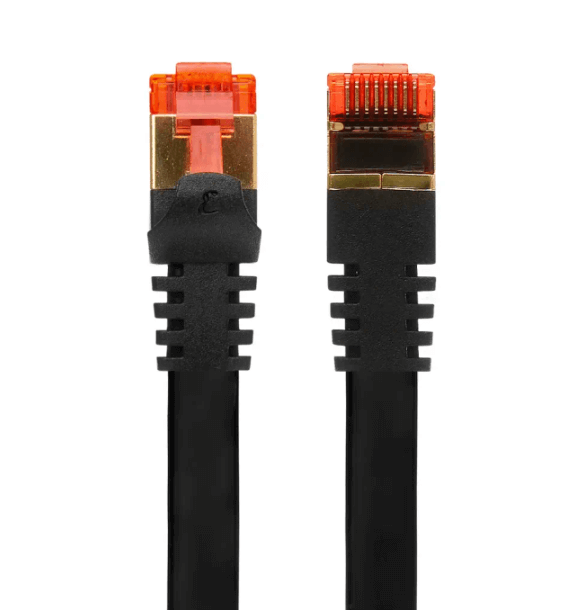
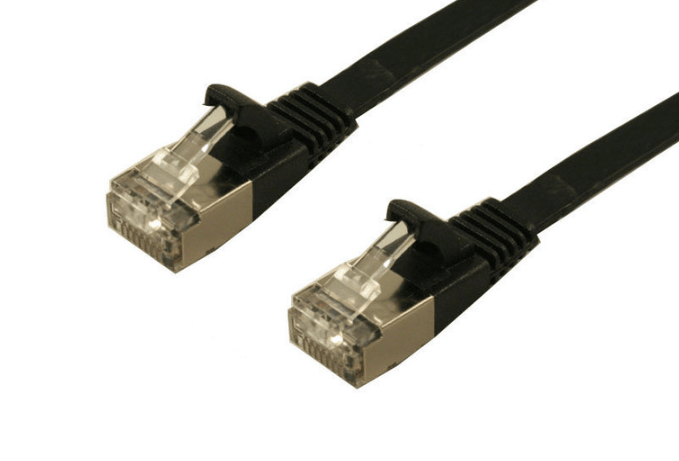
Flat CAT6 LSZH cables are increasingly specified in modern network installations because they balance electrical performance, fire safety, and space efficiency. As networks expand into offices, public buildings, industrial facilities, and regulated environments, installers must consider not only data rates but also routing constraints and safety compliance. Flat CAT6 LSZH cables address these requirements in a single, practical cabling solution.
Fire Safety and Regulatory Compliance
One of the primary reasons flat CAT6 LSZH cables are used is their jacket material.
LSZH, meaning low smoke zero halogen, is designed to:
-
Emit minimal smoke during combustion
-
Avoid releasing toxic or corrosive halogen gases
-
Reduce risk to personnel during fire events
-
Protect nearby equipment from corrosive damage
These properties make LSZH cabling a common requirement in public buildings, transportation systems, data centers, and industrial sites where safety regulations are strict.
Space Efficiency in Dense Installations
The flat geometry of these cables provides a major advantage in space-constrained environments.
Flat CAT6 cables allow:
-
Easier routing under raised floors and carpet tiles
-
Cleaner installation along walls or baseboards
-
Reduced congestion in cable trays and conduits
-
Improved airflow compared to tightly bundled round cables
This makes them particularly useful in retrofit projects and high-density network pathways where traditional round cables are difficult to manage.
Maintained CAT6 Performance in a Compact Form
Despite their slim profile, flat CAT6 LSZH cables are engineered to meet Category 6 performance requirements when installed correctly.
They support:
-
Gigabit Ethernet data rates
-
Controlled impedance and pair geometry
-
Low insertion loss over standard Ethernet distances
This allows installers to meet performance specifications without sacrificing space efficiency or safety.
Shielding Options for Noisy Environments
Many flat CAT6 LSZH cables are available in shielded constructions, which is important in electrically noisy environments.
Shielded flat CAT6 cables help:
-
Reduce electromagnetic interference
-
Improve signal stability near power equipment
-
Maintain consistent performance in industrial settings
When shielding is used, proper grounding practices are essential to achieve the intended EMI protection.
Installation Flexibility and Clean Routing
Flat CAT6 LSZH cables are often chosen for installations where aesthetics, accessibility, and modularity matter.
They are well suited for:
-
Offices and commercial spaces
-
Control rooms and equipment closets
-
Transportation and public infrastructure
-
Industrial automation networks
Their shape allows them to sit flush against surfaces, making routing cleaner and less intrusive.
Important Installation Considerations
While flat CAT6 LSZH cables offer many benefits, proper installation remains critical.
Best practices include:
-
Respecting minimum bend radius limits
-
Avoiding excessive compression or tight bundling
-
Providing strain relief at terminations
-
Ensuring correct grounding for shielded versions
Following these guidelines helps preserve signal integrity and long-term reliability.
Growing Adoption Driven by Safety Standards
As building codes and safety regulations evolve, LSZH materials are increasingly specified as a default rather than an option.
Flat LSZH cables align well with this trend by combining compliance with practical installation advantages. Their adoption reflects a broader shift toward safer, more adaptable network cabling solutions.
Practical Takeaway
Flat CAT6 LSZH cables are used in modern network installations because they deliver reliable Gigabit Ethernet performance while improving fire safety and simplifying routing in space-constrained environments. For projects where compliance, density, and clean installation matter, they provide a balanced and future-ready cabling choice.
FAQ (Frequently Asked Questions)
Do flat CAT6 LSZH cables support Gigabit Ethernet?
Yes. When installed within specification, they fully support Gigabit Ethernet.
Are flat CAT6 cables suitable for industrial environments?
Yes, especially when shielded versions are used and properly grounded.
Is LSZH required by code?
In many public and safety-critical environments, LSZH cabling is required or strongly recommended.
Do flat cables perform worse than round CAT6 cables?
Not when properly designed and installed. Performance depends on construction quality and installation practices.