How Can You Future-Proof Data Center Cabling For Next Generation Hardware?
Future-proofing data center cabling is about enabling scalability, performance headroom, and adaptability as server, storage, and interconnect technologies evolve. With PCIe speeds increasing rapidly and system density continuing to rise, cabling decisions made today directly influence how easily a data center can adopt new hardware tomorrow. A future-ready cabling strategy focuses on standards alignment, signal integrity margins, and modular design rather than short-term cost optimization.
Select Connector Standards with a Clear Upgrade Path
One of the most important steps in future-proofing is choosing connector standards that are already aligned with next generation platforms. Connector ecosystems tend to persist for many years once widely adopted.
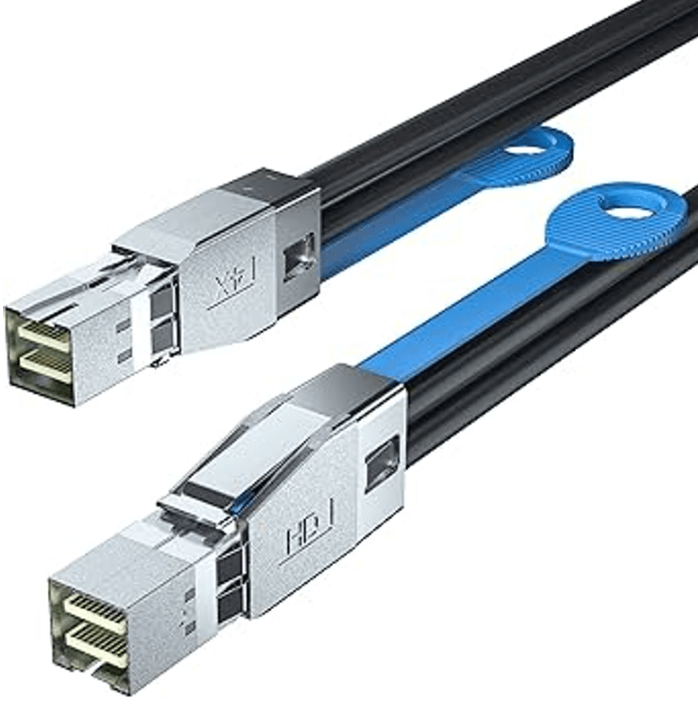
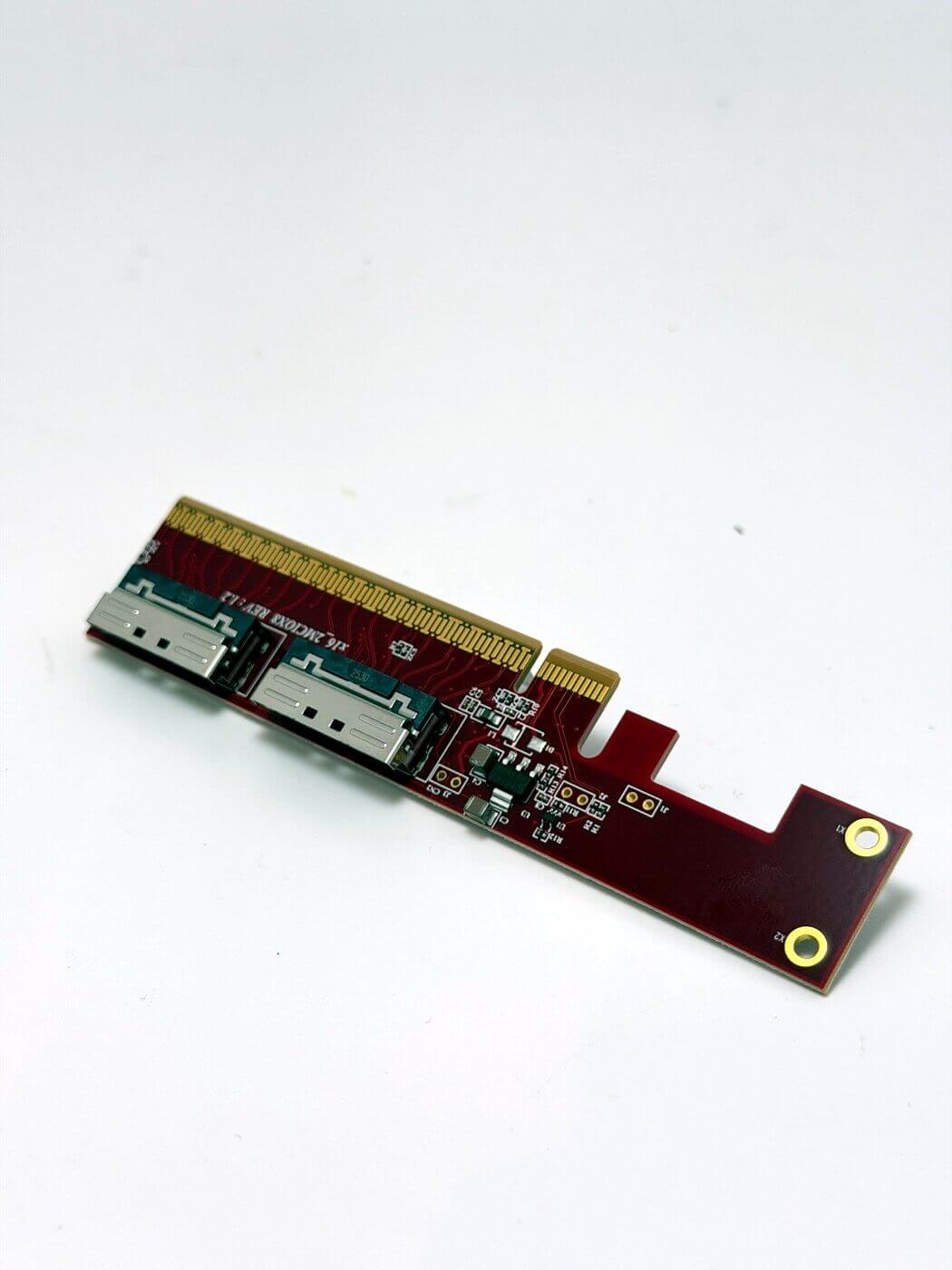
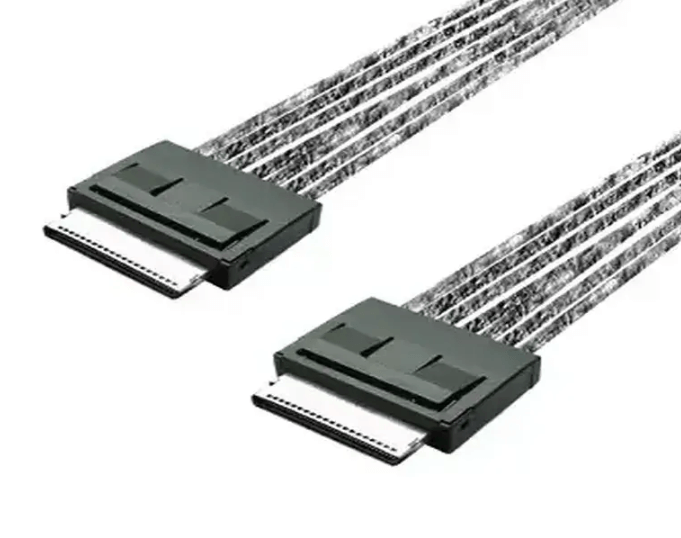
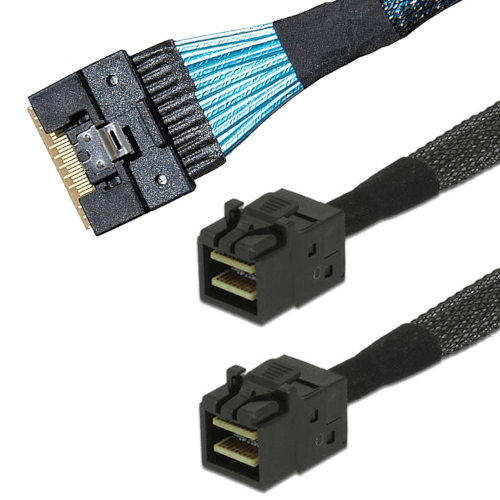
Modern internal connectors such as SlimSAS and MCIO are designed to support higher signaling rates and tighter mechanical layouts than older interfaces. Selecting these standards reduces the likelihood that a cabling refresh will be required when controllers, backplanes, or drives are upgraded.
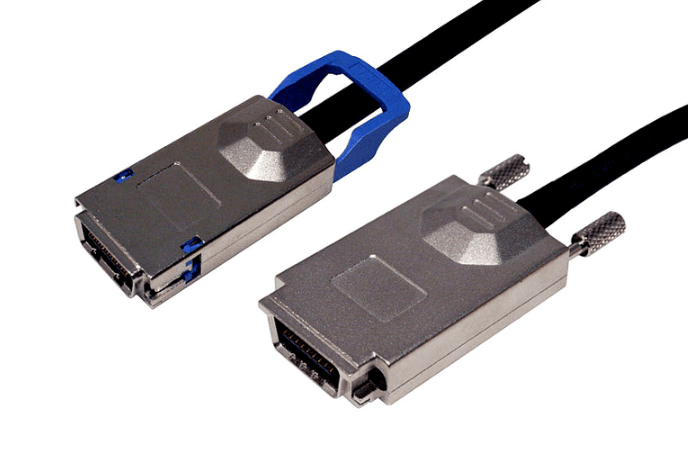
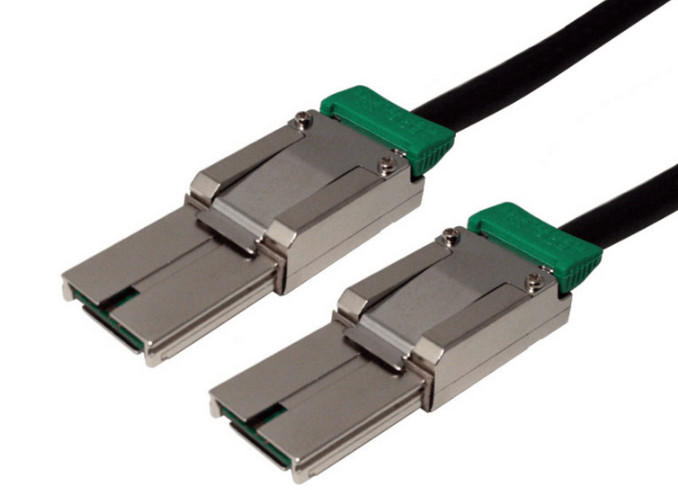
External connectivity should also be evaluated carefully, ensuring that chosen standards remain supported for expansion shelves and inter rack connections.
Design for Higher Signaling Speeds than Current Needs
Cabling should be selected based on where the platform is going, not only where it is today. PCIe Gen 5 and newer generations impose stricter requirements on insertion loss, impedance control, and crosstalk.
Even if current systems operate at Gen 4 speeds, using cables rated and tested for higher data rates preserves upgrade flexibility. This approach avoids scenarios where new hardware must be deployed with legacy cabling that becomes the limiting factor.
Favor Higher Lane Density and Aggregation
As systems scale, bandwidth requirements often increase faster than physical space. High lane density connectors and cables allow more throughput to be delivered without increasing port count or cable bulk.
Choosing 8 lane or higher density options where appropriate enables future expansion without adding new cable paths. This is particularly important for PCIe based storage, accelerator fabrics, and composable architectures.
Plan for Modularity and Breakout Flexibility
Future hardware changes often involve reconfiguring how lanes are allocated rather than adding entirely new systems. Modular cabling and breakout assemblies allow lane redistribution without redesigning the entire infrastructure.
Using standardized breakout options makes it easier to adapt to new drive form factors, backplane layouts, or controller architectures. This flexibility reduces downtime and simplifies upgrades as hardware evolves.
Control Cable Length and Routing Margins
Higher speed signaling reduces allowable channel loss, making cable length and routing discipline increasingly important. Future-proof cabling strategies prioritize short, direct runs with minimal slack.
Clean routing improves both signal integrity and thermal performance. Leaving margin in routing paths ensures that future cables with tighter bend radius or length constraints can be accommodated without mechanical redesign.
Maintain Airflow and Serviceability
Future hardware often brings higher power density and stricter cooling requirements. Cabling that obstructs airflow or complicates service access becomes a liability over time.
Well managed cable layouts with clear labeling, accessible connectors, and defined pathways make future upgrades faster and safer. Serviceability is a long term performance consideration, not just an operational convenience.
Align Cabling with Emerging Architectures
Trends such as NVMe over PCIe, PCIe switching, and disaggregated infrastructure place new demands on internal connectivity. Cabling should be evaluated in the context of these architectures rather than traditional server designs.
Choosing cabling that supports direct PCIe connectivity, higher lane counts, and short reach high speed links positions the data center to adopt emerging system designs with minimal disruption.
Validate Against Standards and Testing Criteria
Future-proof cabling is not only about specification claims. It requires validation against recognized standards and real signal integrity testing.
Cables that are tested at higher data rates, built to consistent workmanship standards, and validated across multiple platforms provide greater confidence as systems evolve. This reduces risk during hardware transitions and minimizes troubleshooting effort.
When Future-Proofing Matters Most
A forward looking cabling strategy is especially critical in:
-
Data centers with frequent hardware refresh cycles
-
High density storage and accelerator deployments
-
Environments planning PCIe Gen 5 or newer adoption
-
Modular or composable infrastructure designs
-
Long life enterprise and hyperscale facilities
In these scenarios, cabling decisions directly affect long term cost and agility.
FAQ (Frequently Asked Questions)
Does future-proofing mean always choosing the newest standard?
No. It means choosing standards with clear adoption momentum and scalability, not chasing unproven technology.
Can future-proof cabling reduce upgrade costs?
Yes. Reusing cabling during hardware upgrades significantly lowers deployment time and expense.
Is higher rated cabling always backward compatible?
In most cases, yes, provided connector and protocol compatibility are maintained.
How often should data center cabling strategy be reviewed?
It should be reassessed whenever major platform or architecture changes are planned.