How Do You Choose Between SlimSAS 4i, SlimSAS 8i, And HD MiniSAS?
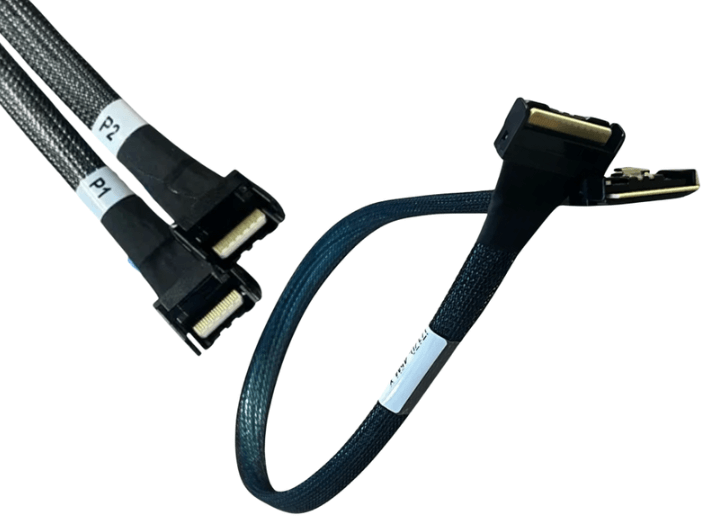
Choosing between SlimSAS 4i, SlimSAS 8i, and HD MiniSAS depends on lane count requirements, available space, supported protocols, and the generation of the platform you are building or upgrading. Although all three are used for high speed internal connectivity, they are optimized for different bandwidth levels and mechanical environments. Understanding how each option is intended to be used helps prevent performance bottlenecks and compatibility issues.
Understand The Role of Lane Count
Lane count is one of the most important factors in selecting the correct cable. Each lane represents a high speed serial data path, and total bandwidth scales with the number of lanes in use.
SlimSAS 4i provides four lanes and is commonly used for single device groups or narrower backplane connections. SlimSAS 8i doubles the available lanes to eight, allowing higher aggregate bandwidth through the same compact connector family. HD MiniSAS typically supports four lanes per connector in internal configurations.
If your controller or backplane is designed for eight lanes, using a four lane cable will limit throughput or leave capacity unused.
Evaluate Space and Connector Density Constraints
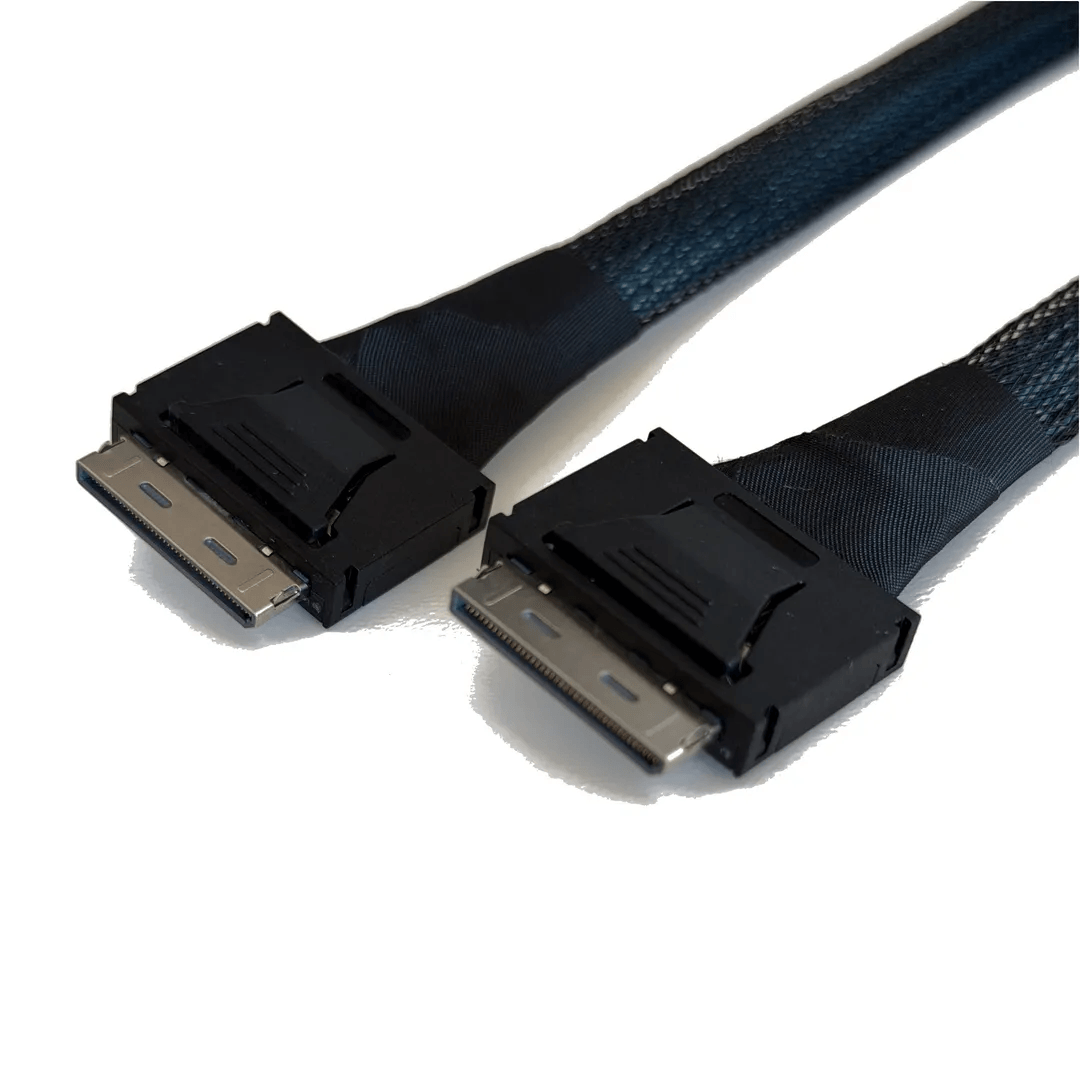
Physical space inside the chassis strongly influences connector choice. SlimSAS connectors were designed specifically for high density internal layouts. Their compact footprint allows more ports to be placed on a motherboard or backplane, which is critical in 1U and 2U systems.
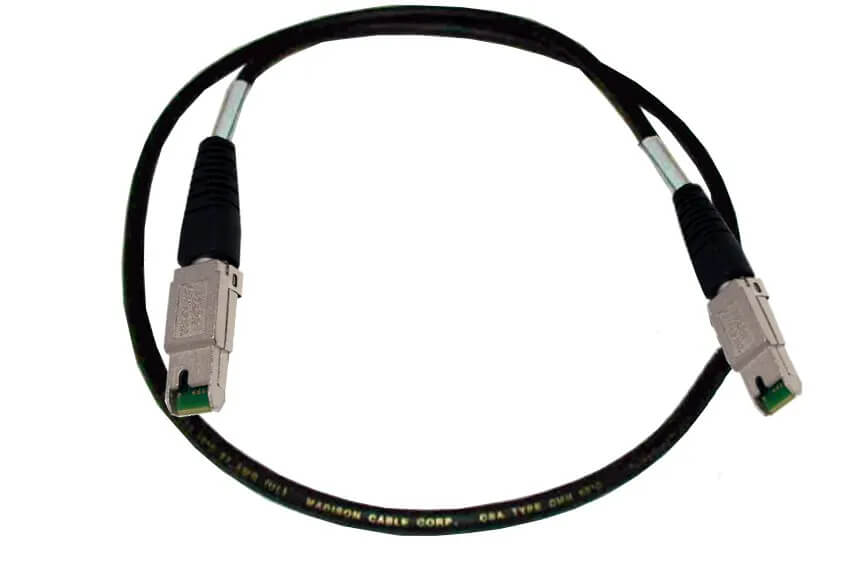
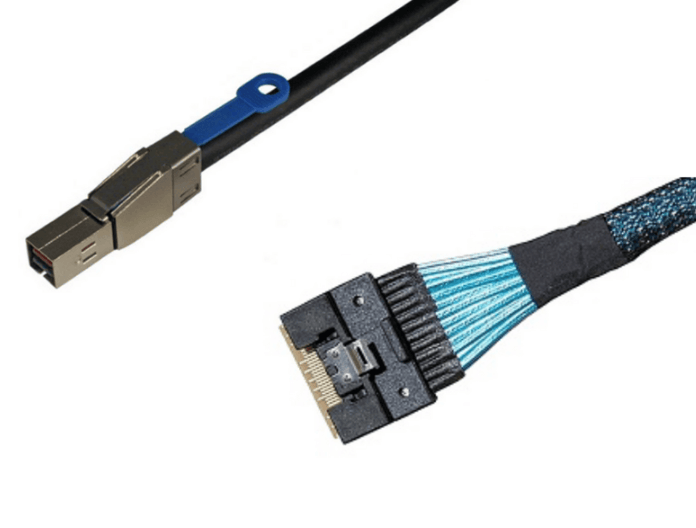
SlimSAS 4i and 8i share the same general form factor, making them well suited for dense designs. HD MiniSAS connectors are larger and require more board edge space, which can limit port density in modern compact platforms.
For space constrained systems, SlimSAS is generally preferred.
Match The Cable to The Supported Protocols
All three cable types can be used in SAS based systems, but protocol support varies by platform generation.
HD MiniSAS is widely used in SAS 3.0 environments and remains common in systems built around earlier SAS controllers. SlimSAS was designed to support newer standards, including SAS 4.0 and PCIe signaling for NVMe storage.
If the platform uses PCIe based NVMe drives or supports higher speed SAS generations, SlimSAS is typically the better choice. HD MiniSAS is more appropriate for legacy or transitional systems that do not require newer signaling capabilities.
Consider Bandwidth and Performance Targets
Performance requirements often determine whether SlimSAS 4i or 8i is appropriate. SlimSAS 4i is sufficient for moderate bandwidth needs, such as connecting a small number of drives or a narrow backplane.
SlimSAS 8i is used when higher throughput is required, such as linking to dense backplanes, PCIe switches, or multiple NVMe devices. It allows more lanes to be routed through a single connector, simplifying cabling while maintaining performance.
HD MiniSAS can meet many performance needs in older platforms but may become a limiting factor in newer high speed designs.
Account for Breakout and Connectivity Needs
Another practical consideration is how the cable will be used within the system. Breakout configurations are common in storage platforms where a single host port must connect to multiple drives.
SlimSAS 8i is often used for breakouts to multiple SATA, SAS, or NVMe devices. SlimSAS 4i may be used for simpler one to one or one to few connections. HD MiniSAS also supports breakout cables, but options may be more limited depending on the platform.
The correct choice depends on how many endpoints need to be served and how the lanes are mapped.
Assess Compatibility with Existing Infrastructure
In upgrade scenarios, existing backplanes, controllers, and cable paths may dictate connector choice. HD MiniSAS remains widely deployed, and replacing it with SlimSAS may require hardware changes.
For new designs, SlimSAS offers better long term scalability. For existing systems, maintaining HD MiniSAS may be the most practical option if the platform does not support SlimSAS connectors.
Typical Selection Scenarios
SlimSAS 4i is commonly chosen for:
-
Compact servers with limited internal space
-
Direct connections to small drive groups
-
Moderate bandwidth internal links
SlimSAS 8i is commonly chosen for:
-
High density storage backplanes
-
NVMe and PCIe based storage systems
-
High performance computing platforms
HD MiniSAS is commonly chosen for:
-
Legacy SAS based systems
-
Platforms built around SAS 3.0 controllers
-
Environments where connector compatibility is fixed
FAQ (Frequently Asked Questions)
Can SlimSAS 4i and 8i be mixed in the same system?
Yes, if the controller and backplane support both configurations and lane mapping is correct.
Does SlimSAS always outperform HD MiniSAS?
Not necessarily. Performance depends on lane count, protocol, and platform support.
Is HD MiniSAS still relevant for new builds?
It can be, but most new high density designs favor SlimSAS for scalability.
Can a SlimSAS cable replace an HD MiniSAS cable directly?
No. They use different connectors and require compatible hardware on both ends.